FiberQ
FiberQ
FiberQ
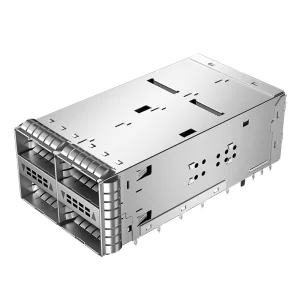
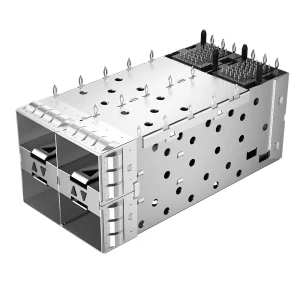
Optimized for Osaka's emerging metropolitan data hubs, these high-density SFP & SFP+ stacked configurations double the vertical port count while maintaining excellent mechanical integrity, press-fit stability, and thermal management.
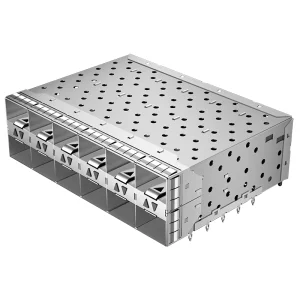
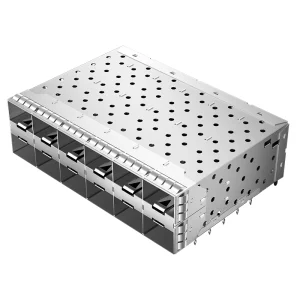 Osaka Project: 1-2007562-8 TE Compatible 240P 2x6 Ports Press-Fit SFP+ Cage With Integrated Connector
Request Quote
Osaka Project: 1-2007562-8 TE Compatible 240P 2x6 Ports Press-Fit SFP+ Cage With Integrated Connector
Request Quote
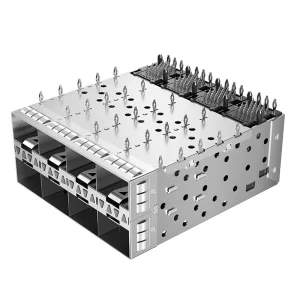
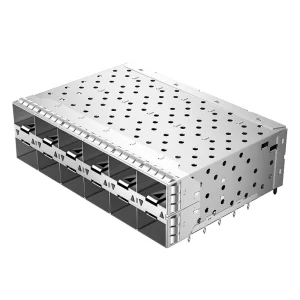 Osaka Network: 2180640-1 TE Replacement 240P 2x6 Ports Light Pipe Press-Fit SFP+ Cage With Integrated Connector
Request Quote
Osaka Network: 2180640-1 TE Replacement 240P 2x6 Ports Light Pipe Press-Fit SFP+ Cage With Integrated Connector
Request Quote
The Keihanshin metropolitan area, with Osaka at its heart, is undergoing a massive digital transformation. Historically recognized as Japan's commercial and industrial manufacturing hub, Osaka has pivoted towards High-Performance Computing (HPC), advanced robotics, and Smart Factory automation. This industrial footprint relies heavily on high-speed data transmission networks that require robust physical layer connectors. The deployment of 2xN stacked port architectures has become a key design standard for Kansai-based telecommunication providers and network hardware designers.
With major data center expansions in Osaka (driven by both domestic and international hyperscale cloud providers seeking regional redundancy outside Tokyo), the demand for high-density, low-latency connector systems has spiked. 2xN (Stacked Ports) configurations allow hardware engineers to maximize the input/output (I/O) density on server faceplates and switch boards. This structural efficiency is critical in Osaka's dense physical urban data centers, where real estate is at a premium and hardware footprint footprint reduction is a direct driver of operational cost savings.
Furthermore, the Kansai Science City and local Osaka electronics manufacturers are leading efforts in Industrial IoT (IIoT). Modern manufacturing systems utilize high-speed edge computing nodes to manage assembly robotics, which require reliable 2xN SFP/SFP+ cage assemblies capable of operating in challenging thermal and electromagnetic interference (EMI) environments. FiberQ Photonics provides the exact design tolerance and regulatory compliance needed to support these regional industrial applications.
Deploying high-density stacked ports to support real-time data acquisition in industrial automotive and electronics assembly lines across Osaka Prefecture.
Custom EMI elastomeric gaskets and metal fingers designed to pass strict VCCI Class A electromagnetic radiation limits for commercial environments in Japan.
Facilitating the regional network infrastructure expansion that handles low-latency interconnects between Osaka, Kyoto, and Kobe hubs.
Designing and deploying 2xN Stacked SFP+ and SFP28 systems involves navigating complex mechanical, thermal, and signal integrity hurdles. In a stacked configuration (where ports are arranged one on top of the other, such as 2x1, 2x4, 2x6, or 2x8), physical space constraint is only the first concern. The primary technical bottleneck is heat management. Stacked cages trap heat within the inner rows, particularly in the lower ports, which can lead to transceiver optical degradation if not properly mitigated.
Stacked 2xN cages from FiberQ are engineered with custom integrated light pipes and optional heat sinks designed to facilitate efficient airflow. Because high-density SFP28/zSFP+ transceivers can generate significant heat, our stacked designs feature strategic perforation patterns that allow cooling air to move over both the top and bottom transceiver chambers, preventing localized thermal pockets.
Operating high-frequency optical signals (up to 28 Gbps per channel for SFP28) in close proximity poses high EMI risks. Our 2xN cages incorporate enhanced EMI shielding fingers and elastomeric conductive gaskets. These ground contact points establish a low-impedance path to the chassis ground, minimizing radiated emissions and preventing system crosstalk.
Our 2xN stacked connectors utilize robust press-fit (compliant pin) termination onto the host PCB. This eliminates the need for wave soldering and ensures highly reliable electrical contact with minimum parasitic capacitance. The internal connector contacts are constructed from high-grade copper alloys with selective gold plating to maintain signal trace impedance.
Why SFP28 & zSFP+ Architecture Rules Modern Kansai Datacoms:
As networks shift from 10G to 25G and 100G configurations, standard SFP structures fall short. Stacked zSFP+ and SFP28 cages maintain backward compatibility while supporting data rates up to 25Gbps per port, enabling local Osaka system integrators to scale up network throughput smoothly without expensive backplane re-engineering.
Entering the Japanese electronics supply chain requires meticulous compliance with local testing frameworks and international standards. For telecommunications hardware deployed in Osaka and throughout Japan, compliance with the VCCI (Voluntary Control Council for Interference) is paramount. Our 2xN Stacked SFP+ cages are rigorously tested to meet Class A and Class B electromagnetic compatibility regulations, ensuring they do not interfere with adjacent wireless networks, public telemetry, or high-precision factory robotics.
Furthermore, all components produced by FiberQ comply fully with RoHS (Restriction of Hazardous Substances) guidelines and Japan's domestic chemical safety laws (such as CSCL). We use lead-free, halogen-free materials in our housings and plastic components (UL 94V-0 rated liquid crystal polymers) to meet environmental requirements for large-scale Japanese corporate procurement programs. Our press-fit connectors eliminate the need for flux-cleaning chemicals, reducing environmental impact during assembly.
To support Japanese clients, FiberQ Photonics offers dedicated engineering consulting for OEM/ODM partnerships. Our engineering team assists with PCB layout validation, thermal simulation, and EMI troubleshooting to ensure that our stacked cages integrate seamlessly into your proprietary networking hardware. We understand the high standards for Quality Assurance (QA) expected by Japanese telecom operators and industrial system integrators, and we deliver products that reflect that standard.
FiberQ Photonics Technology Co., Ltd. leverage a sophisticated manufacturing ecosystem in China to deliver world-class cost efficiency, mechanical precision, and fast shipping cycles for global buyers and Japanese distributors alike.
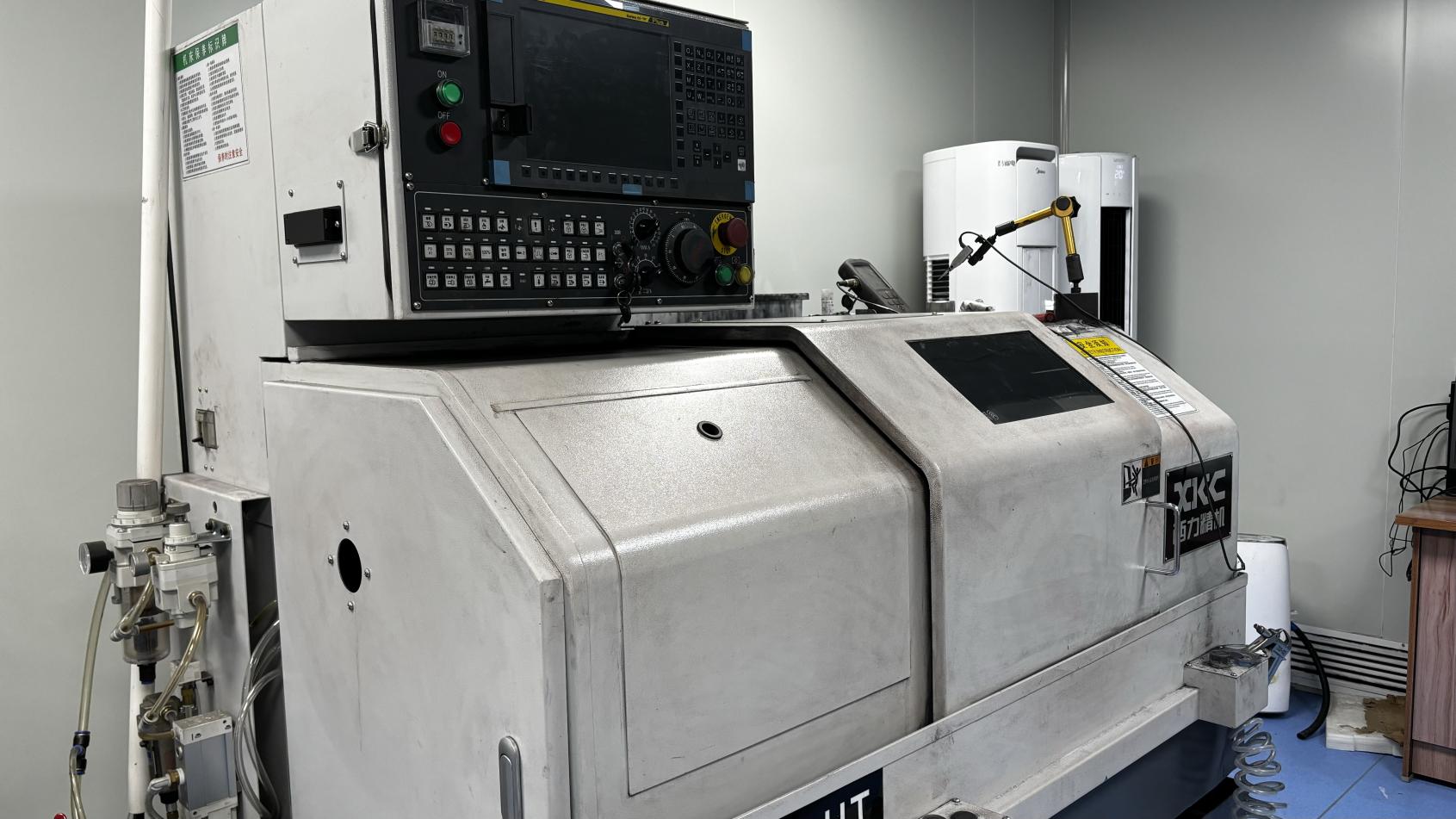
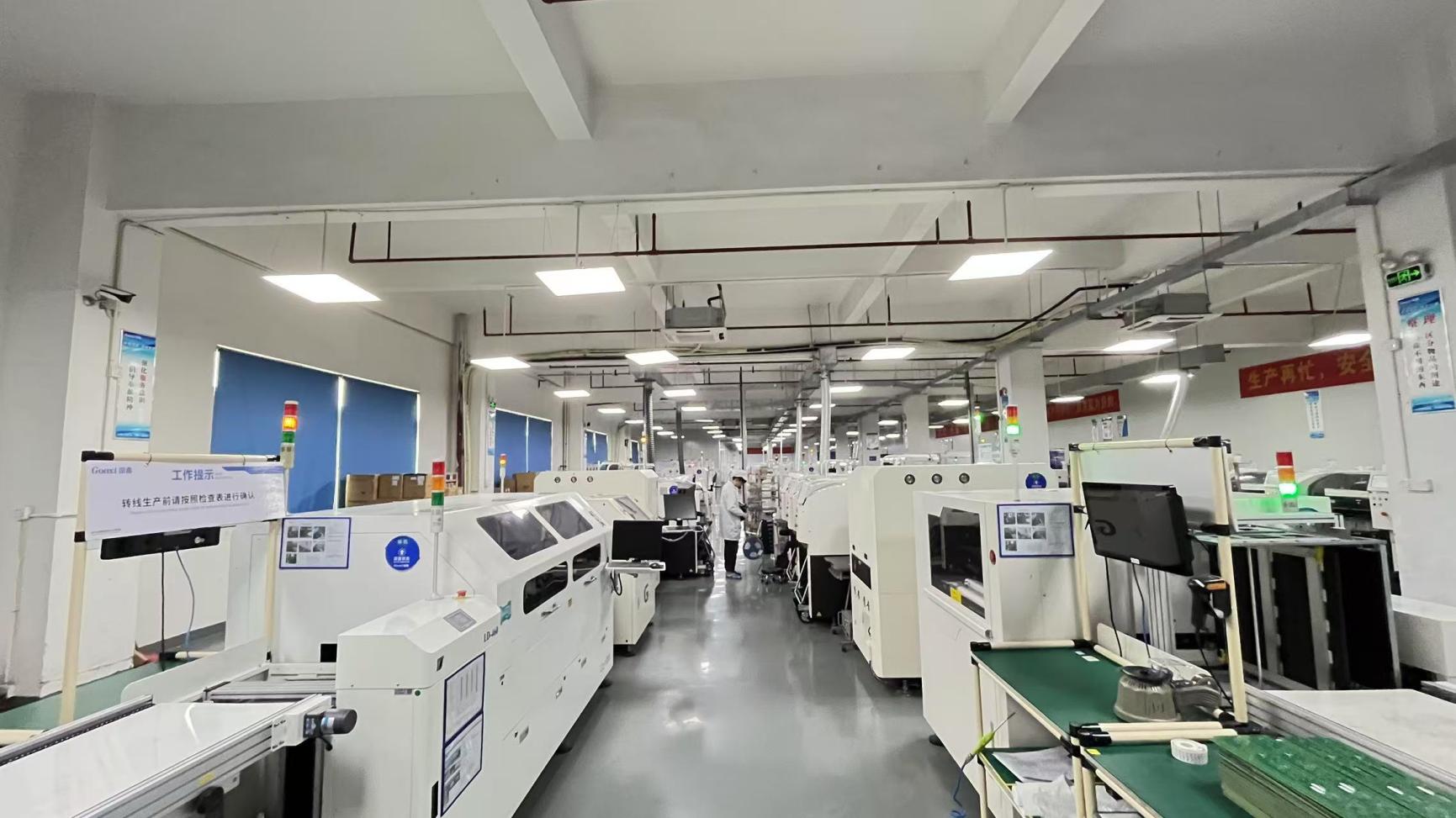
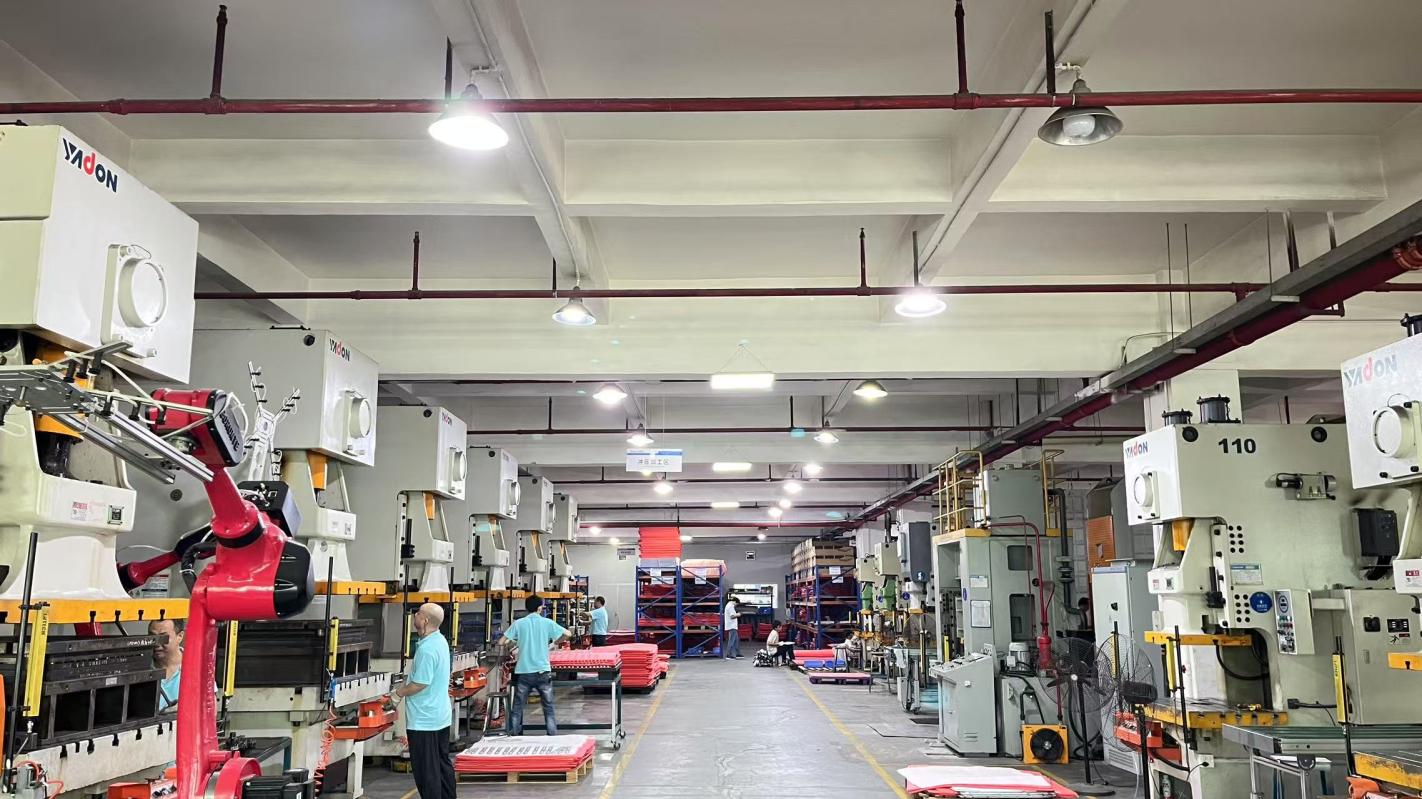
Operating a massive 12,600㎡ production facility, FiberQ runs automated tooling lines, precision plastic molding machines, and automated stamping presses. This scale enables us to manage bulk production orders with tight dimensional control, ensuring that our press-fit terminals match standard PCB drill designs down to fractions of a millimeter. Our annual export operations reach USD 9.5 million, reflecting deep international market integration.
With 240 expert engineers dedicated to optical design, signal integrity, and high-frequency structural simulations, FiberQ remains at the cutting edge of interconnect design. Last year alone, we introduced approximately 180 new products, ranging from 800G optical interfaces to next-generation thermal-dissipating stacked cages. This strong engineering framework allows us to provide rapid prototyping for custom 2xN SFP/QSFP stack heights, configurations, and mechanical modifications requested by Japanese clients.
Our stacked 2xN SFP/SFP+ solutions are applied across a variety of specialized industries within the Kansai economic zone:
In high-density industrial control panels driving multi-axis robotic arms on Osaka production lines, 2x2 and 2x4 SFP+ cages provide space-saving data links connecting local PLCs with central monitoring units.
High-speed rail and local Osaka Metro telemetry control stations use our 2x1 and 2x2 EMI shielded cages for real-time sensor array routing systems, resisting high electromagnetic noise from traction motors.
Local cloud and colocation server architectures deployed in Osaka City utilize our 2x6 and 2x8 stacked SFP+ and zSFP+ assemblies to double front-panel network port density and boost bandwidth efficiency.
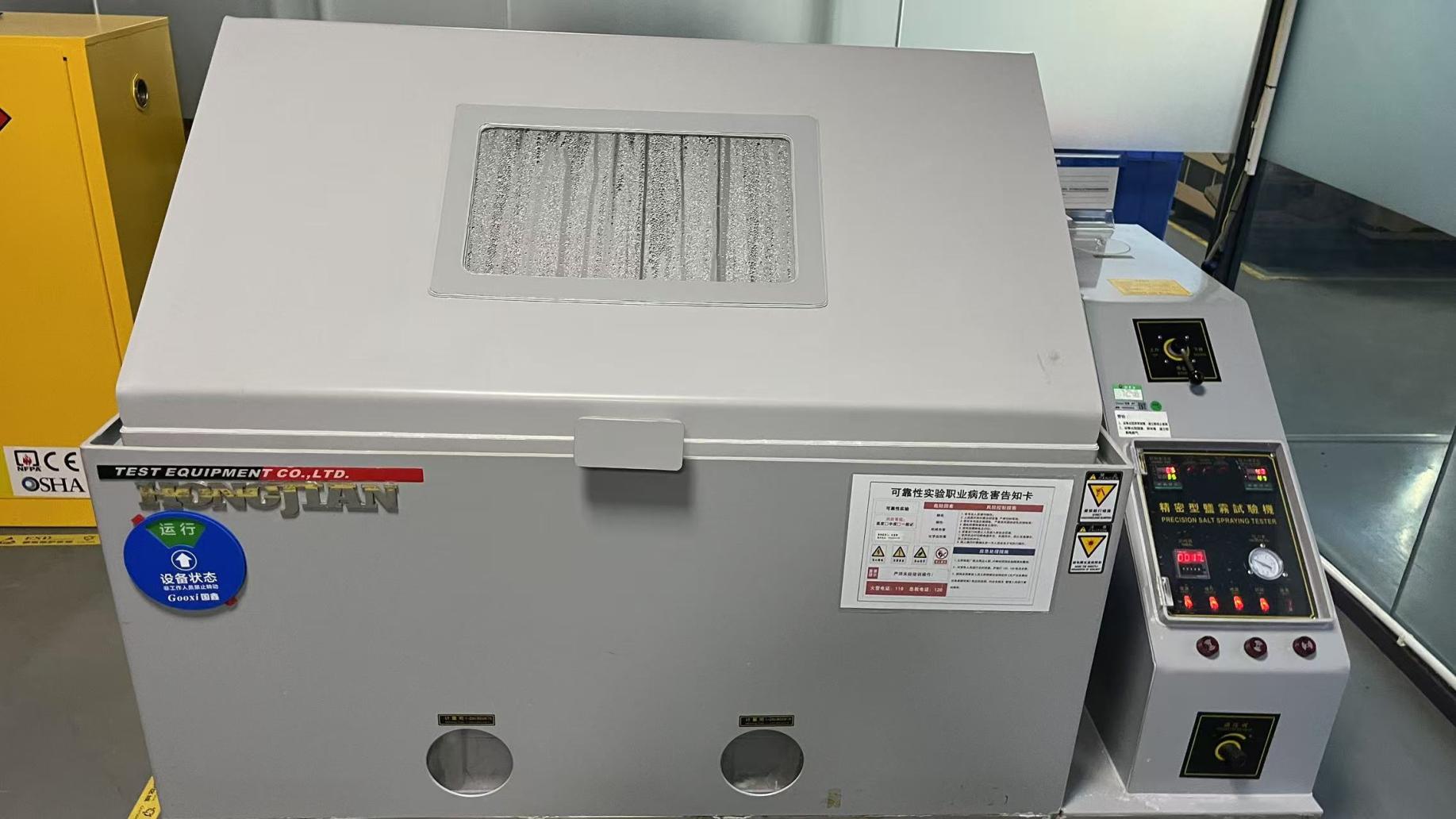
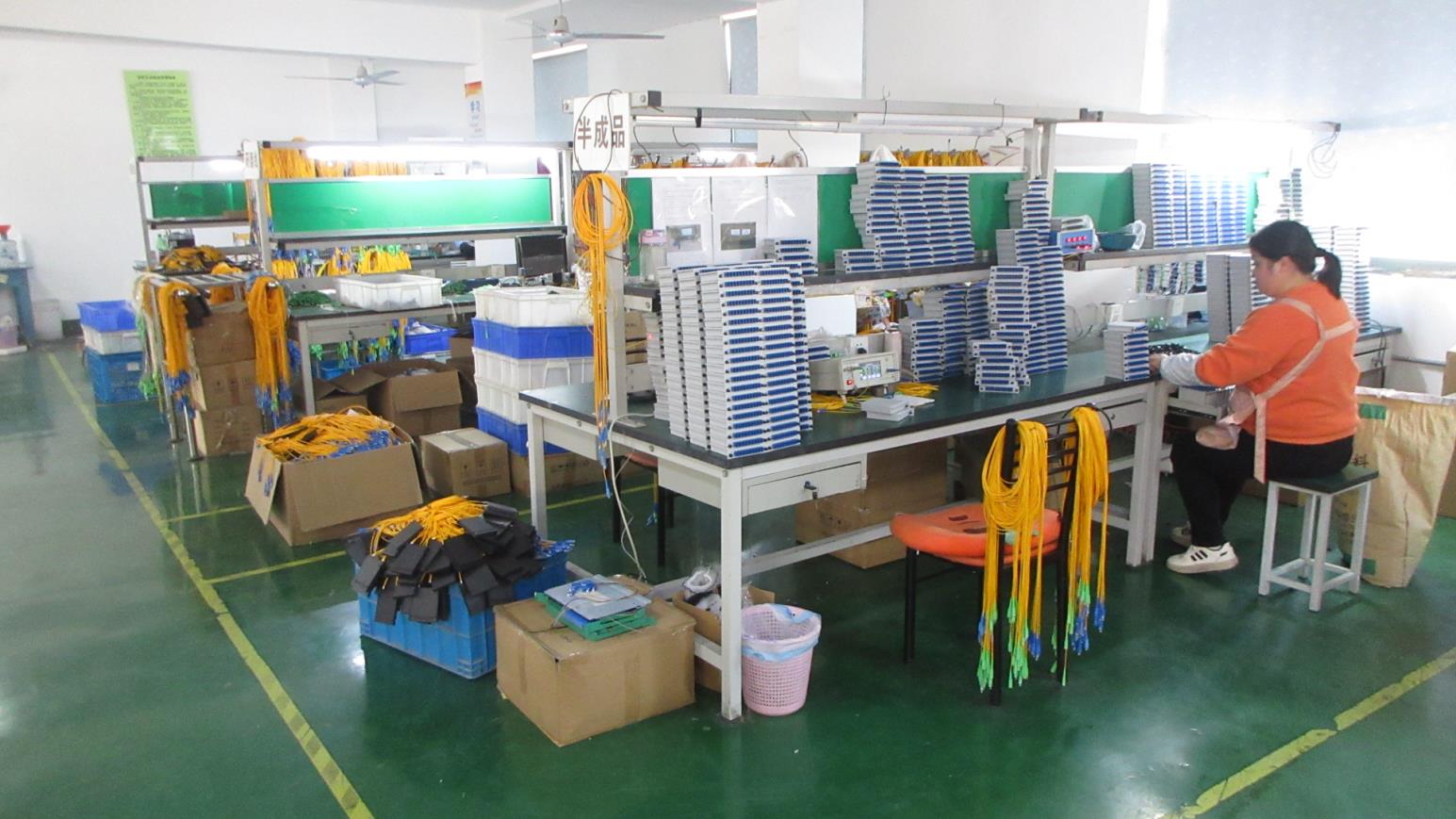
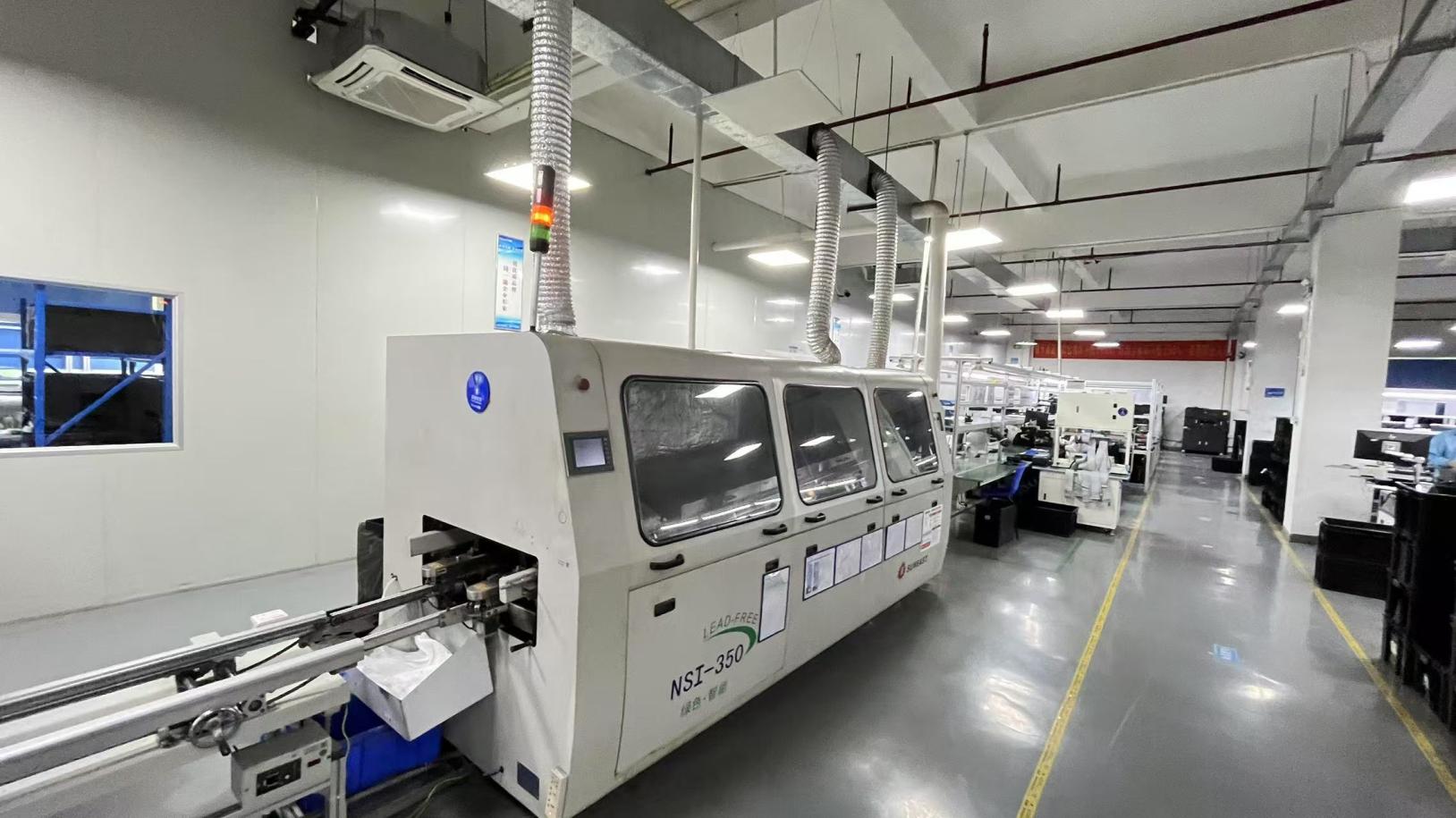
Take a virtual look inside the FiberQ Photonics manufacturing facilities. We enforce a zero-defect quality policy supported by automated optical performance testing, interferometric inspections, high-temperature aging chambers, and manual double-checks by our 62-inspector quality control team.
Explore our full range of industry-compatible stacked connector solutions. Direct replacements for standard TE, Pulse, and Molex form-factors, engineered for high-durability thermal routing and EMI containment.
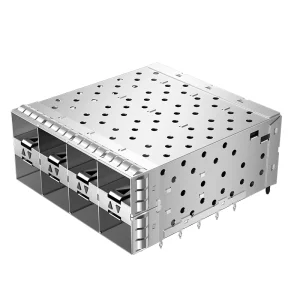 Osaka Infrastructure: SFPP-3120-L Pulse Compatible 160P Stacked 2x4 Ports Press Fit SFP+ Cage With Light Pipe
Request Details
Osaka Infrastructure: SFPP-3120-L Pulse Compatible 160P Stacked 2x4 Ports Press Fit SFP+ Cage With Light Pipe
Request Details
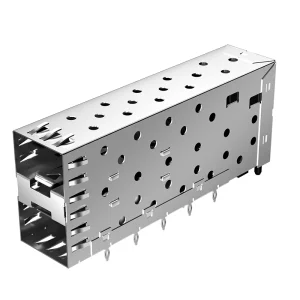 Osaka Automation: SFP013-L Pulse Compatible 40P Stacked 2x1 Ports Press Fit SFP Cage With Integrated Connector
Request Details
Osaka Automation: SFP013-L Pulse Compatible 40P Stacked 2x1 Ports Press Fit SFP Cage With Integrated Connector
Request Details
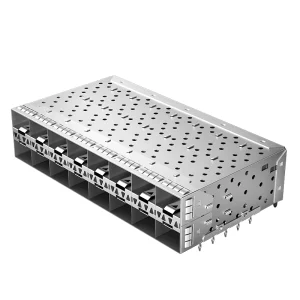 Osaka Telecom: 2169788-1 TE Replacement Through Hole 320P 2x8 Ports Press-Fit SFP+ Cage With Light Pipe
Request Details
Osaka Telecom: 2169788-1 TE Replacement Through Hole 320P 2x8 Ports Press-Fit SFP+ Cage With Light Pipe
Request Details
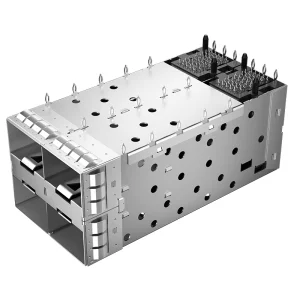 Osaka Metro: 2007417-8 TE Replacement Through Hole 80P 2x2 Ports Press-Fit SFP+ Cage With Integrated Connector
Request Details
Osaka Metro: 2007417-8 TE Replacement Through Hole 80P 2x2 Ports Press-Fit SFP+ Cage With Integrated Connector
Request Details
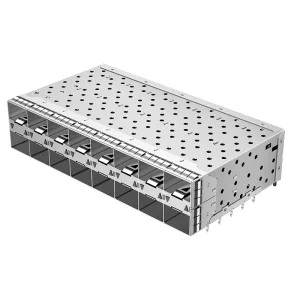 Osaka Server: 2274867-6 TE Compatible Through Hole 320P Press-Fit 2x8 EMI Shielded SFP+ Cage With Light Pipe
Request Details
Osaka Server: 2274867-6 TE Compatible Through Hole 320P Press-Fit 2x8 EMI Shielded SFP+ Cage With Light Pipe
Request Details
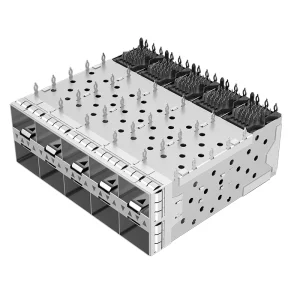 Osaka Edge: 1-2132403-6 TE Compatible Through Hole 200P Press-Fit 2x5 EMI Shielded SFP+ Cage With Light Pipe
Request Details
Osaka Edge: 1-2132403-6 TE Compatible Through Hole 200P Press-Fit 2x5 EMI Shielded SFP+ Cage With Light Pipe
Request Details
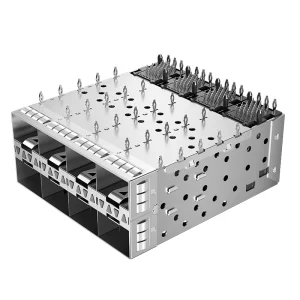 Osaka Lab: 2007399-6 TE Compatible Through Hole 160P Press-Fit 2x4 EMI Shielded SFP+ Cage With Light Pipe
Request Details
Osaka Lab: 2007399-6 TE Compatible Through Hole 160P Press-Fit 2x4 EMI Shielded SFP+ Cage With Light Pipe
Request Details
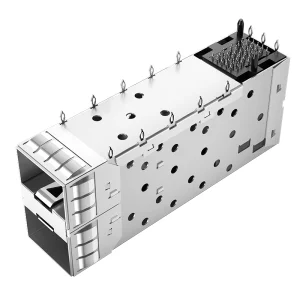 Osaka Station: 2007538-8 TE Compatible Through Hole 40P Press-Fit 2x1 EMI Shielded SFP+ Cage With Connector
Request Details
Osaka Station: 2007538-8 TE Compatible Through Hole 40P Press-Fit 2x1 EMI Shielded SFP+ Cage With Connector
Request Details
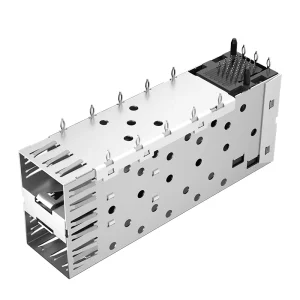 Osaka Router: 754625001 Molex Compatible 2x1 Ports Through Hole 40P Press-Fit EMI Shielded SFP Cage With Connector
Request Details
Osaka Router: 754625001 Molex Compatible 2x1 Ports Through Hole 40P Press-Fit EMI Shielded SFP Cage With Connector
Request Details
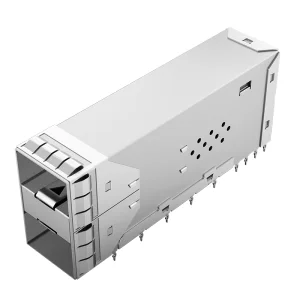 Osaka High Speed: 2198318-1 TE Replacement 2x1 Ports Through Hole Press-Fit 40P EMI Shielded ZSFP+ Cage With Connector
Request Details
Osaka High Speed: 2198318-1 TE Replacement 2x1 Ports Through Hole Press-Fit 40P EMI Shielded ZSFP+ Cage With Connector
Request Details
For international supply chain managers and network hardware buyers, selecting interconnect suppliers is a multi-dimensional risk assessment. Major tech firms in Japan and globally enforce strict dual-sourcing strategies to avoid supply chain disruptions. FiberQ Photonics acts as a key secondary or primary manufacturing source, offering direct mechanical compatibility with components from major brands like TE Connectivity, Molex, and Amphenol, ensuring smooth line transitions without requiring PCB re-spins.
Our strict quality control processes are structured to comply with automotive and telecom sector standards. From raw material inspection to automated pin compliance testing, our production line provides trace documentation for every batch shipped. With 6 years of export history and a strong trade network linking China's manufacturing base to Osaka's logistics infrastructure, we offer flexible shipping arrangements, simplified custom processes, and comprehensive technical documentation to keep your hardware development pipelines running on schedule.
Partner with FiberQ Photonics for high-precision, cost-efficient 2xN Stacked SFP/SFP+/zSFP+ cages matching the strict engineering requirements of the Osaka and global telecoms market.
Send Inquiry Now