FiberQ
FiberQ
FiberQ
Immediate high-density interconnect provisions optimizing edge network integrity
Over the past decade, Bulgaria has rapidly emerged as a digital infrastructure hub for the Balkan region. Anchored by major tier-3 and tier-4 data centers in Sofia and strategic subsea and terrestrial fiber landing points near Varna, the country bridges communications between Central Europe, the Mediterranean, and Western Asia. With telecommunications conglomerates expanding local fiber-to-the-home (FTTH), dense wavelength division multiplexing (DWDM) backbones, and wide-area 5G standalone networks, the hardware components undergirding these nodes require exceptional thermal stability and signal density.
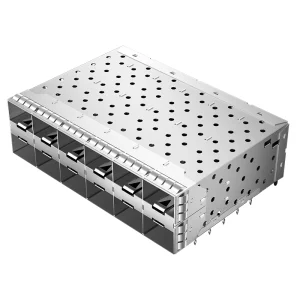
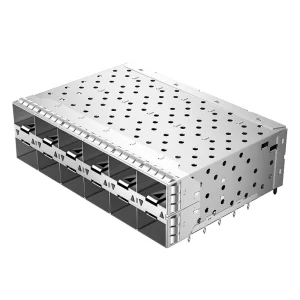
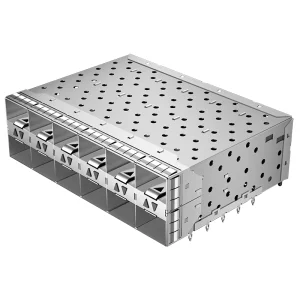
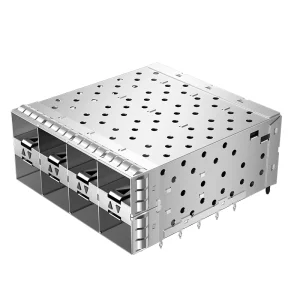
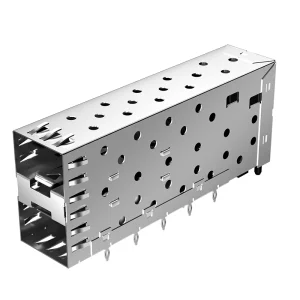
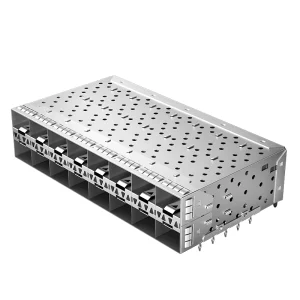
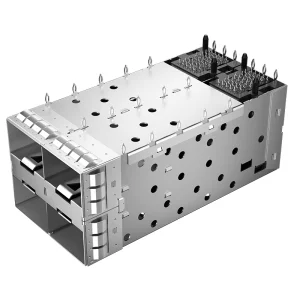
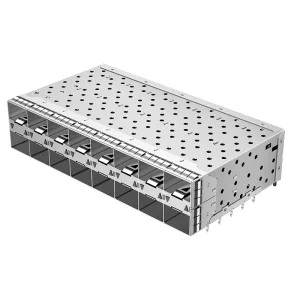
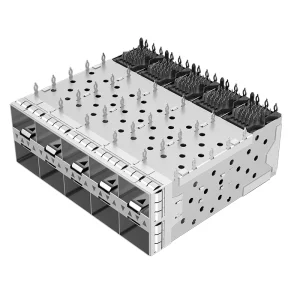
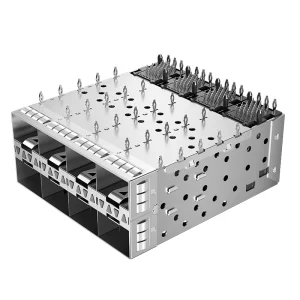
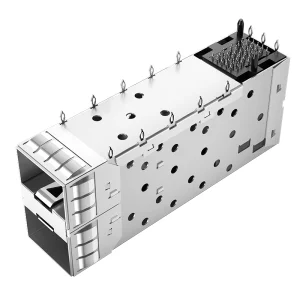
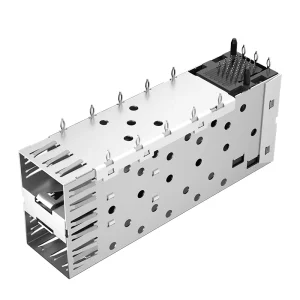
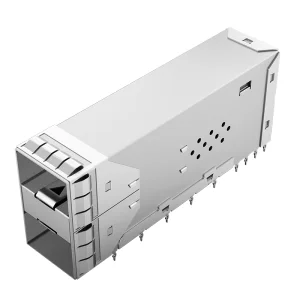
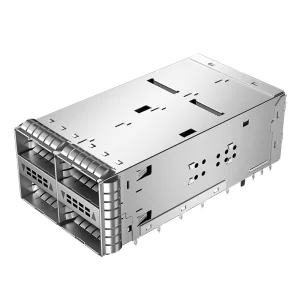
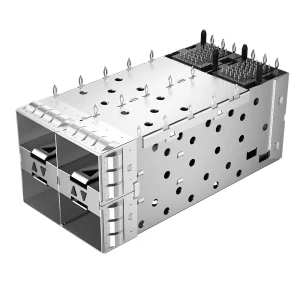
Stacked 2xN connector modules (ranging from 2x1 up to 2x8 port densities) represent a key architectural element in modern switch and router designs. They allow hardware engineers to double the layout capacity of edge systems without increasing front-panel PCB real estate. For Bulgarian enterprise operators, integrating robust, press-fit SFP/SFP+ configurations ensures compliance with the high bandwidth demands of next-gen edge cloud networks while mitigating costly line-card redesigns.
In Sofia’s localized colocation environments, environmental sustainability and energy efficiency are driving system design constraints. Standard stacked cages often suffer from stagnant boundary-layer airflows, leading to localized thermal hot-spots inside transceiver modules. FiberQ Photonics' specialized 2xN assemblies integrate low-loss optical light pipes and advanced EMI shielding gaskets to handle up to 3.5W of thermal output per port without triggering packet degradation.
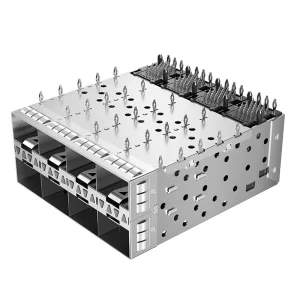
By leveraging optimized press-fit solderless connectors, local hardware integrators can ensure secure PCB retention force (exceeding 100N per cage assembly). This mechanical resilience is vital for high-vibration industrial nodes in Plovdiv’s growing smart manufacturing clusters, where automated sensory feedback demands continuous, uninterrupted signal integrity.
Fully compliant with SFF-8402 standards for SFP28 applications, minimizing insertion loss and crosstalk in dense channels.
Integrated 360-degree spring-finger gaskets suppress electromagnetic emissions beyond 15 GHz to ensure compliance with EU EMC directives.
Elastic eye-of-the-needle pins enable reliable high-speed electrical links and simplify maintenance processes on multi-layer PCBs.
Optimized light channels guide light paths directly from the motherboard LEDs to the front panel, providing clear port-status indicators.
Understanding the transition from 10G legacy systems to 112G PAM4 optical routing
| Connector Interface | Data Rate Capacity | Key Signal Integrity Constraints | Ideal Application (Bulgarian Infrastructure) |
|---|---|---|---|
| Legacy SFP/SFP+ (2xN Stacked) | 1 Gbps to 10 Gbps | Target insertion losses < 1.5 dB at Nyquist frequency. Standard EMI shielding. | Bulgarian Regional Industrial IoT networks, edge aggregation switches in small municipalities. |
| zSFP+ / SFP28 (Stacked 2xN) | 25 Gbps to 28 Gbps per port | Enhanced impedance matching (100Ω ±5Ω), optimized contact wiping force to minimize resonance. | Sofia Metro Area Network Core routers, regional telecommunication hubs. |
| zQSFP+ / QSFP28 (Stacked 2x2 / 2x4) | 100 Gbps (4x 25G channels) | Severe potential near-end crosstalk (NEXT). Requires dual-row press-fit footprint isolation. | Tier-3 Colocation Facilities (Sofia, Telepoint, Equinix SO2), High-Performance Computing (HPC) links. |
| Next-Gen QSFP-DD / OSFP | 400 Gbps to 800 Gbps PAM4 | Extreme heat dissipation requirements (>12W per module). Integrated heatsink thermal interface material. | National research backbone networks, high-density AI cluster interconnects. |
The transition from standard horizontal single-port layouts to 2xN stacked designs introduces major physical challenges. Standard press-fit pins require high insertion force, which can warp thin PCBs. FiberQ’s design optimizes the insertion force per pin to less than 20N, while maintaining a high retention force that exceeds 100N. This allows system integrators in Bulgaria to confidently use standard press-fit tools on 2.2mm to 4.0mm thick multi-layer backplanes.
To optimize signal integrity, our engineers redesigned the internal plastic housings of the connector terminals. By utilizing high-temperature Liquid Crystal Polymer (LCP) material, we guarantee a stable dielectric constant even at continuous working temperatures of up to 105°C, ensuring minimal signal degradation over long lifecycles.
Proper heat dissipation is critical for stacked connectors. In a 2x6 stacked setup, the lower-row transceivers typically operate at higher temperatures due to rising heat from the PCB and restricted airflow. FiberQ addresses this with integrated heatsink structures that can be custom-fitted with pin-fin, plate-fin, or cross-cut thermal profiles.
Additionally, our integrated light pipes are manufactured using optical-grade polycarbonate (UL 94 V-0 rated). This ensures high light transmission with minimal color distortion, providing engineers with reliable, visible status indications directly on the front panel of the rack.
Providing reliable capacity, automated inspection, and cost optimization to Bulgaria
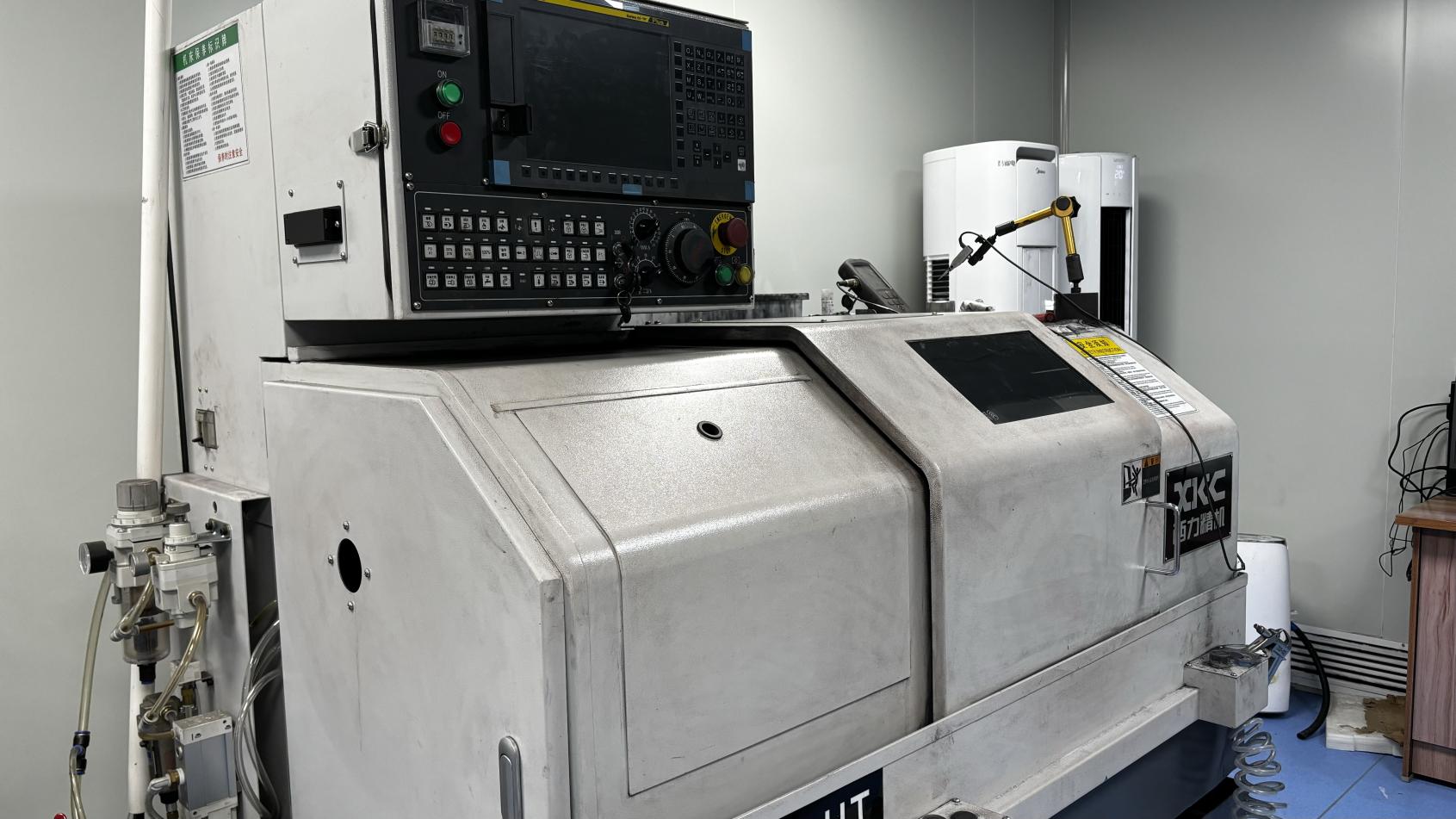
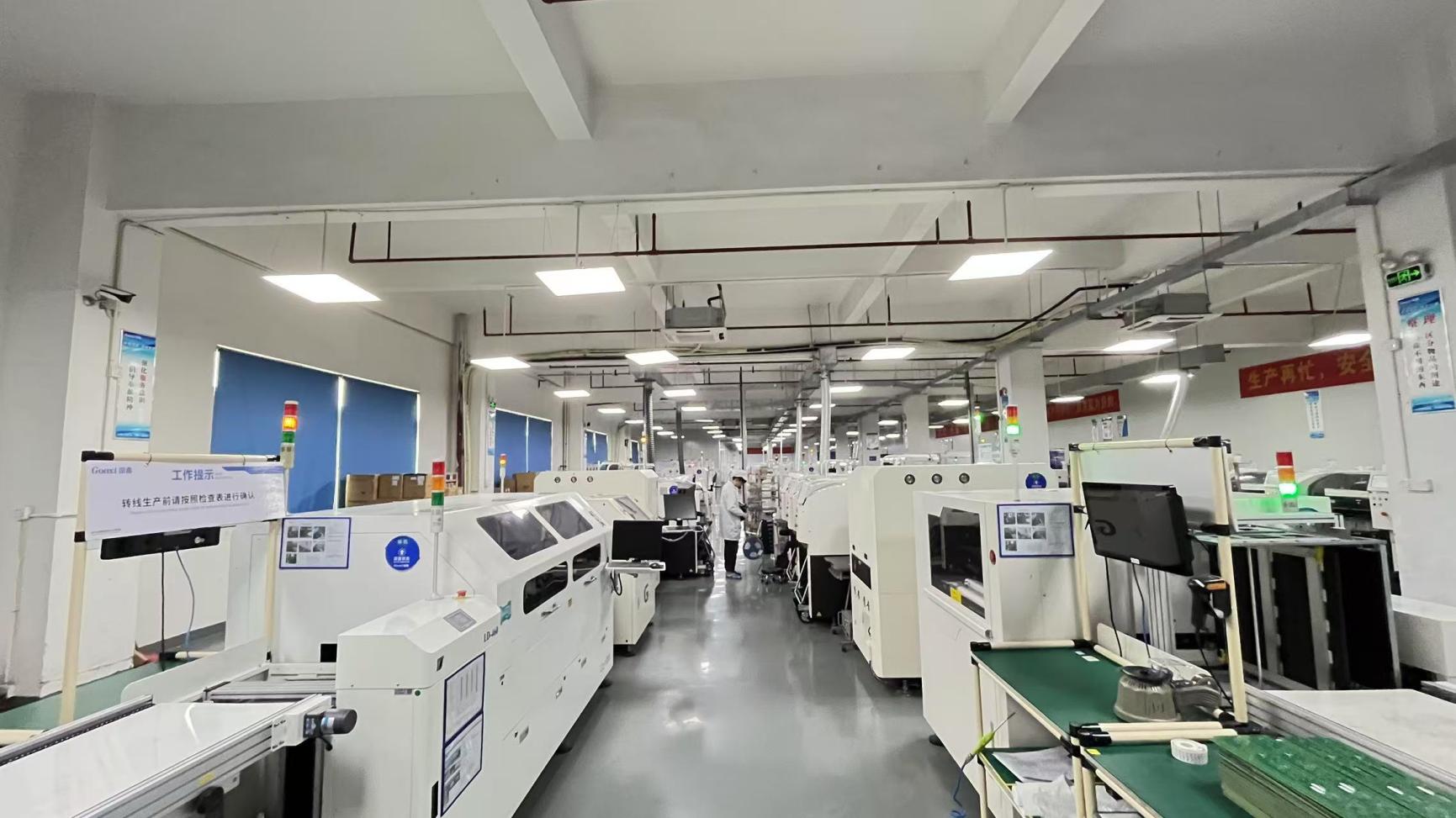
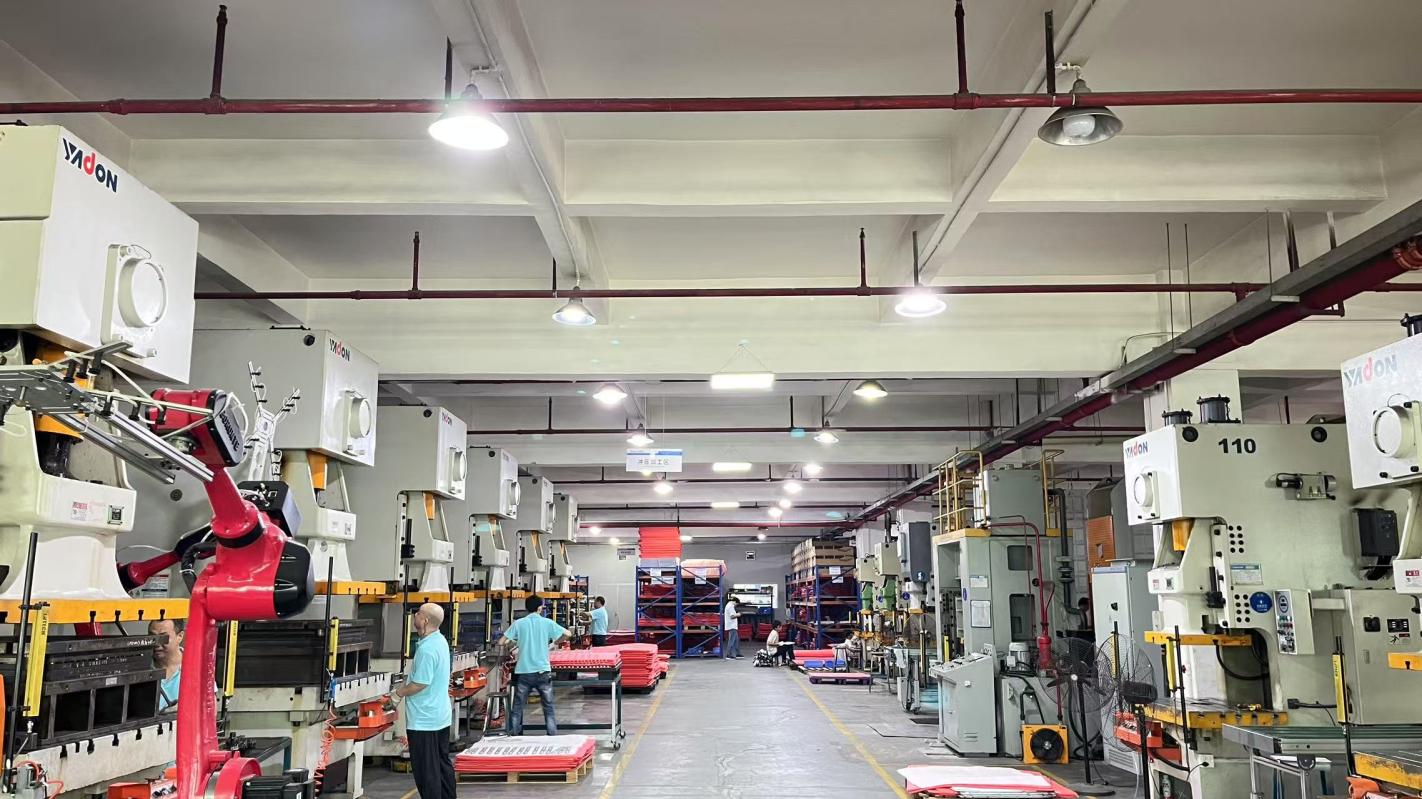
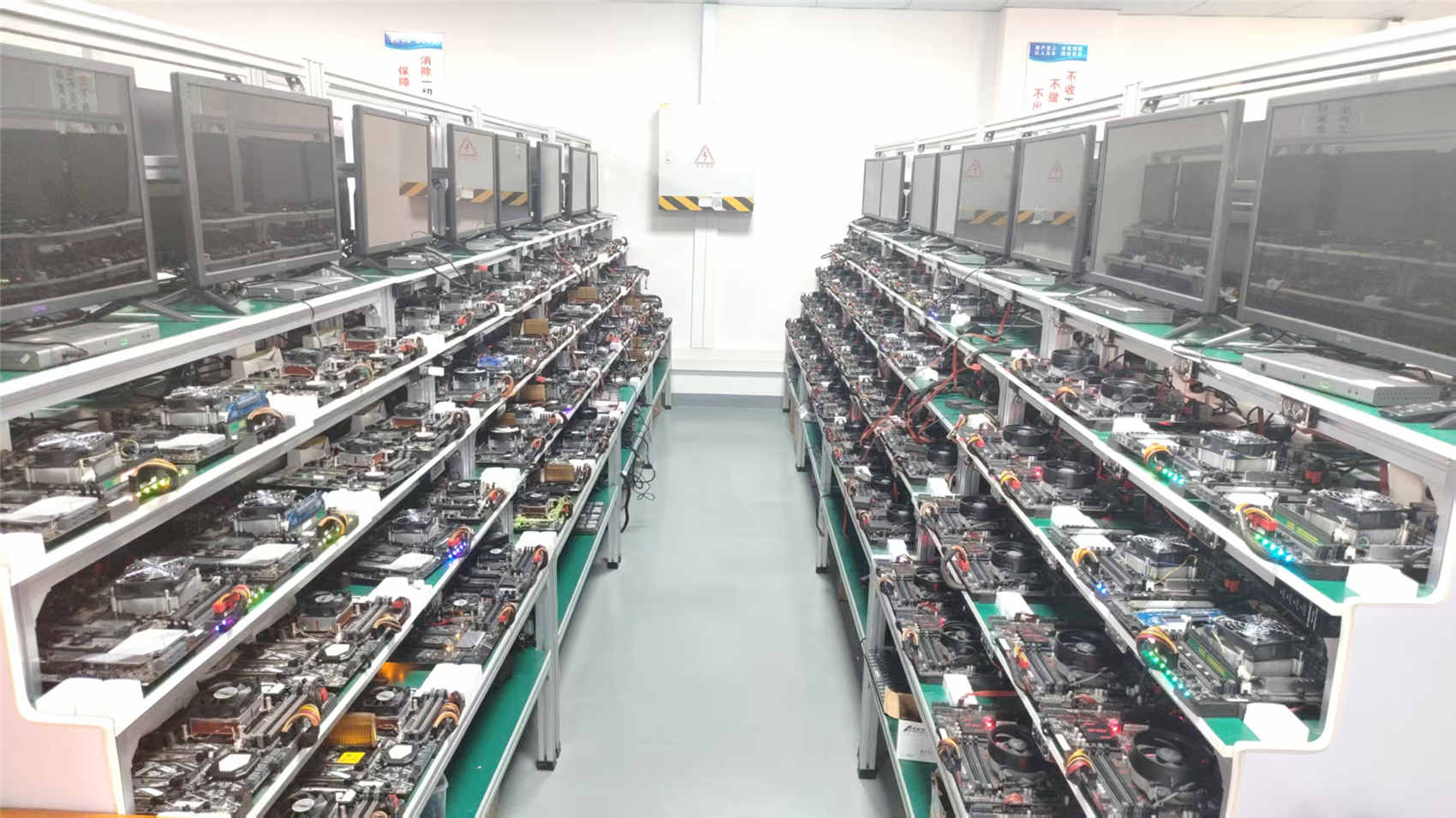
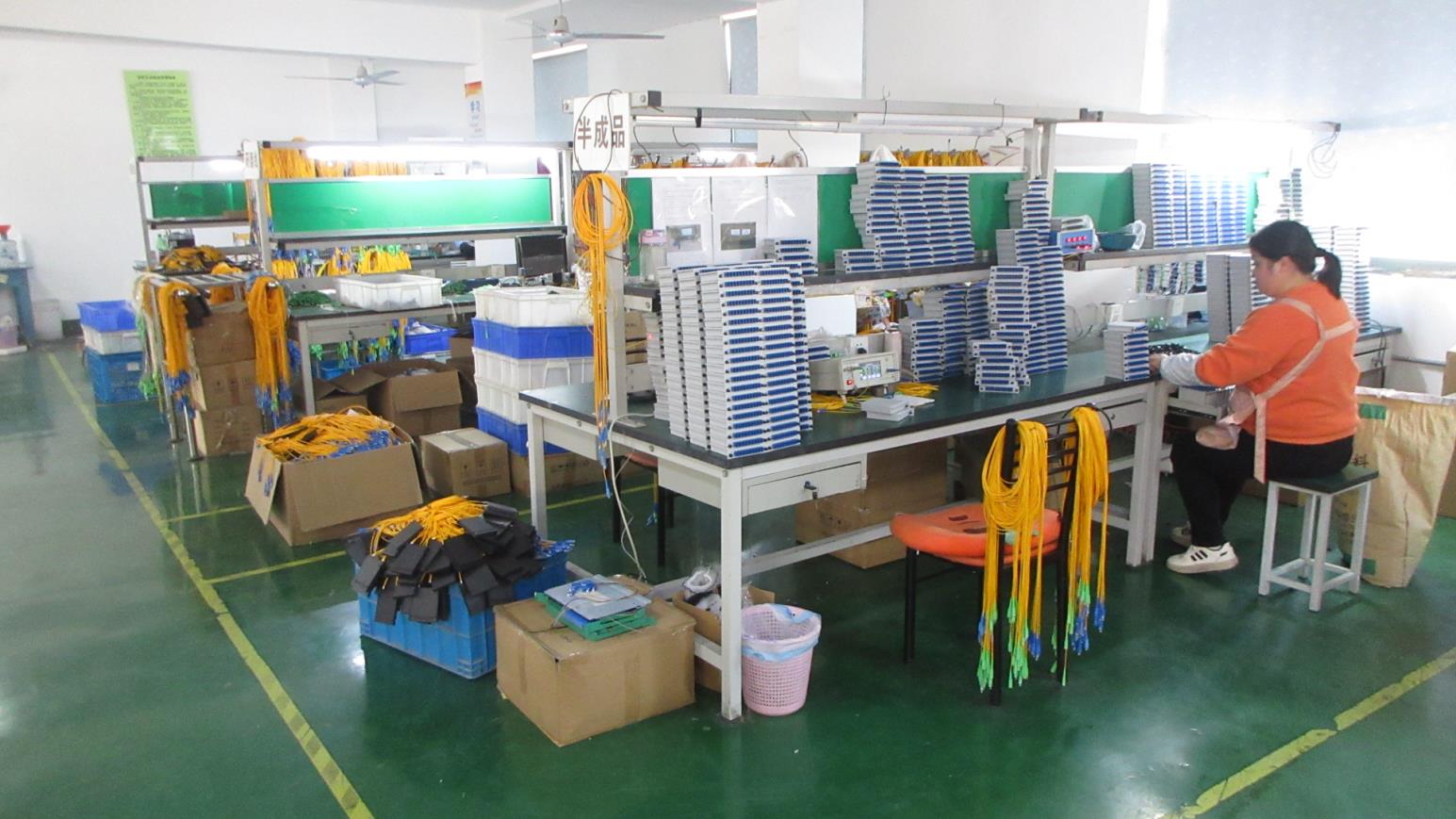
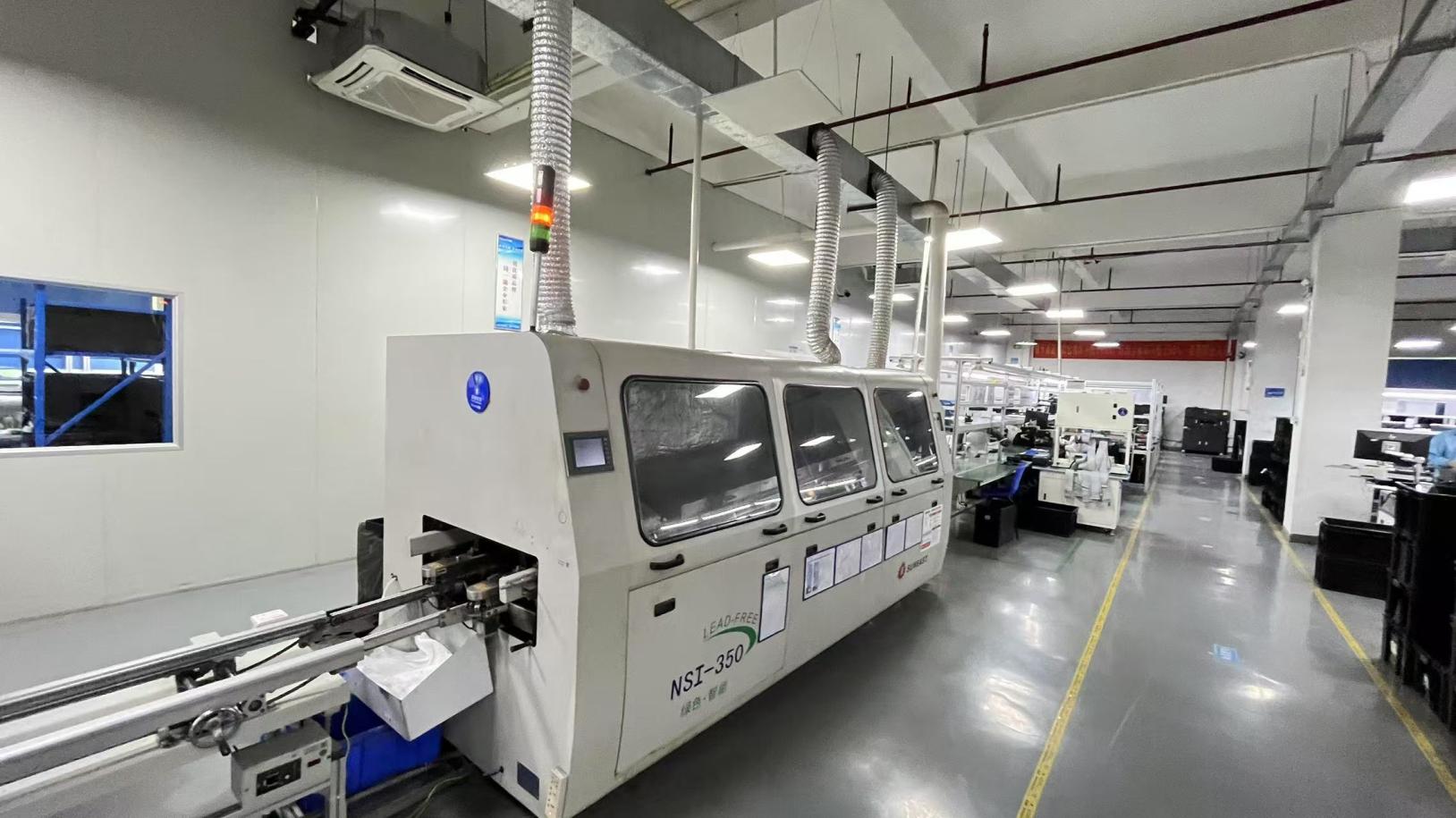
FiberQ Photonics operates a modern 12,600㎡ manufacturing plant designed for rapid scalability and high-yield production. By leveraging advanced automation—including robotic pin-insertion machines, automated optical inspection (AOI) setups, and automated press-fit verification jigs—we maintain a reliable production capacity that minimizes lead times for urgent infrastructure projects in Bulgaria.
Our supply chain ecosystem of 1,450 specialized component partners ensures we have a stable access to raw materials, including phosphor bronze alloys, nickel/gold plating compounds, and high-temp plastics. This robust network shields our customers from market volatility, ensuring consistent pricing and reliable shipping schedules for both standard components and custom configurations.
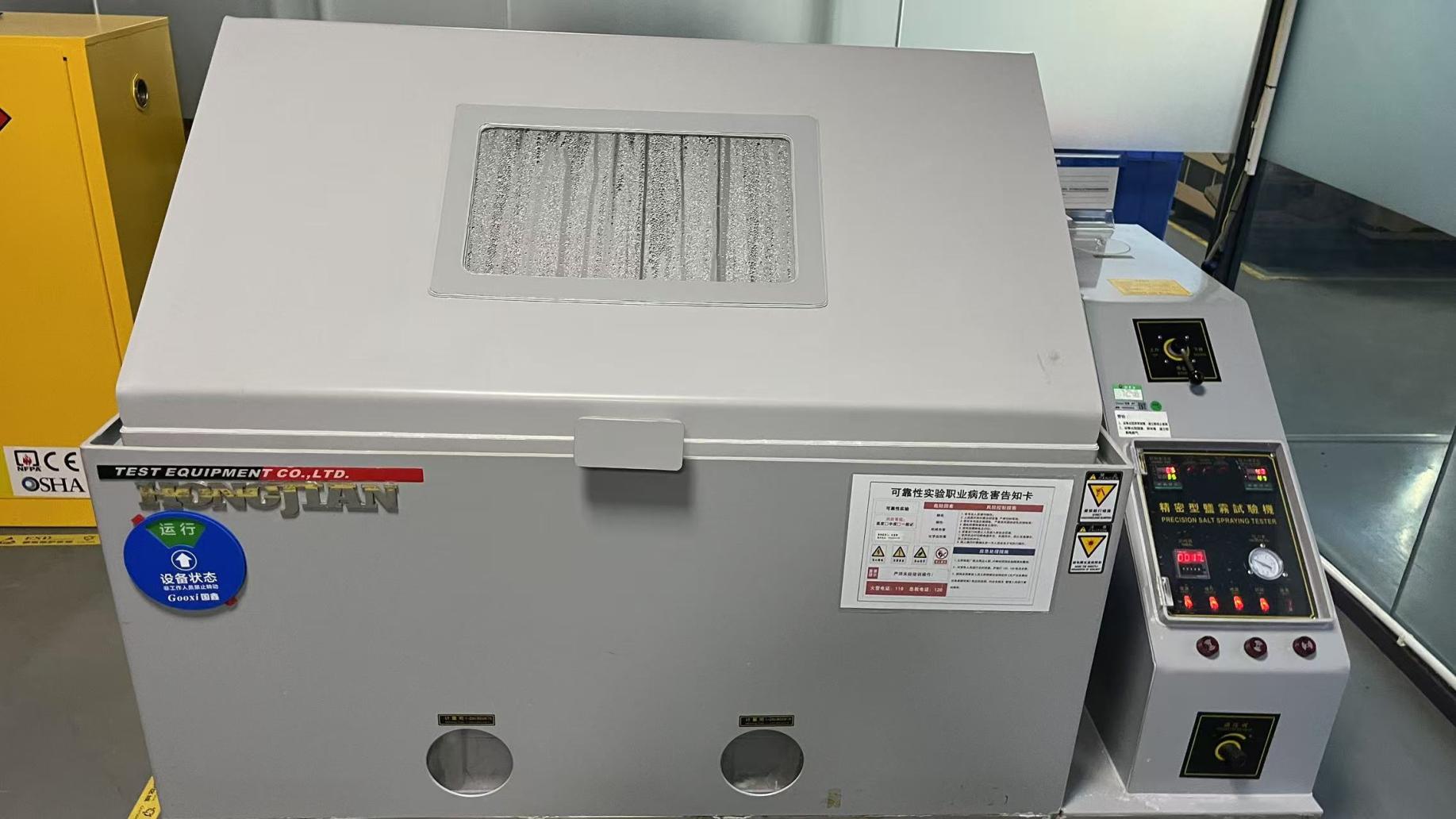
Our quality assurance program is designed to meet strict international standards. Every 2xN stacked connector batch undergoes rigorous performance evaluations, including multi-axis mechanical vibration profiles, high-temperature thermal cycling tests (-40°C to +85°C), and automated optical dimensional checks.
With 62 dedicated quality control inspectors, we verify that every SFP+ and SFP28 cage assembly meets international specifications, such as Telcordia GR-1217-CORE. This ensures that the components we deliver are highly reliable and ready to be deployed in mission-critical networks.
Fully compatible, direct-replacement connector options for global networking hardware
Providing smooth customs clearance and compliance assurance for Bulgarian hardware integrators
As a European Union member state, Bulgaria enforces strict environmental and electrical regulations on imported telecom hardware. All FiberQ Photonics 2xN stacked connector assemblies comply with the EU’s RoHS (Restriction of Hazardous Substances) and REACH (Registration, Evaluation, Authorization and Restriction of Chemicals) directives. We ensure our materials are free from lead, mercury, cadmium, and polybrominated biphenyls, facilitating easier compliance certification during final product qualification in Europe.
Additionally, our manufacturing facilities operate in strict accordance with ISO 9001:2015 and ISO 14001:2015 standards, giving our partners confidence in our commitment to environmental responsibility and quality assurance.
To reduce shipping costs and lead times, we offer flexible shipping arrangements tailored for Bulgarian businesses. For air freight, we route urgent orders directly from our logistics hub through Sofia Airport (SOF) with complete customs documentation (including TARIC codes, EUR.1 movement certificates when applicable, and detailed product analysis sheets).
For larger production volumes, ocean shipping via the Port of Varna offers a cost-effective alternative. Our logistics team handles every step of the export documentation process, ensuring clear tracking and smooth customs clearance to minimize delays.
Addressing technical, logistical, and compatibility concerns for design engineers
Yes. All FiberQ Photonics 2xN stacked SFP, SFP+, and SFP28 cages are engineered to be drop-in replacements for standard industry part numbers (such as TE 1-2007562-8 or Molex equivalents). They feature the exact same PCB footprint, pin layout, and mechanical profile, allowing you to use existing designs without modifications.
Our high-density stacked cages feature integrated 360-degree EMI spring-finger gaskets on the front panel bezel, combined with robust internal shielding walls between ports. This minimizes electromagnetic emissions and limits port-to-port crosstalk, ensuring reliable signal performance in dense systems.
Standard flat-rock press-fit installation tooling is suitable for most of our designs. However, for multi-port configurations like the 2x8 stacked cages, we recommend using custom-milled seating tools to distribute the pressure evenly across the top cage surface. Detailed drawings and force specs are available upon request.
Yes. We offer OEM/ODM services, including custom light pipe configurations, custom heatsink profiles (such as taller fins or different geometries), and specialized contact plating thicknesses (e.g., 30μin or 50μin gold plating) to meet specific application requirements.
For standard configurations, tooling and production typically take 2-3 weeks. Shipping via air cargo to Sofia usually takes 5-7 business days, while ocean shipping to the Port of Varna takes approximately 30-35 days, depending on route conditions.
Get in touch with our engineering support team for 3D CAD files, free evaluation samples, and customized bulk pricing quotes.
Send Inquiry Now