FiberQ
FiberQ
FiberQ
Engineered for seamless integration into German enterprise networking hardware and next-generation telecom routing systems. These units present drop-in compatibility with original industry standard configurations.
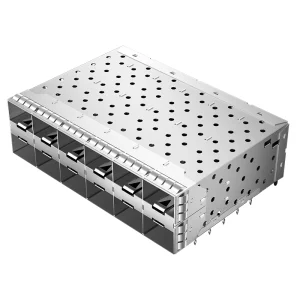
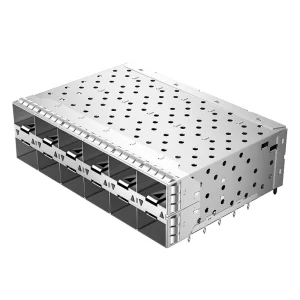
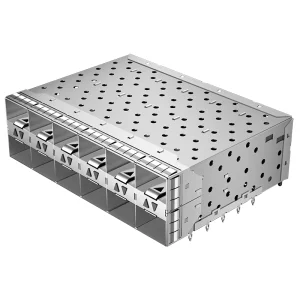
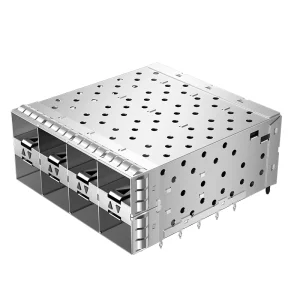
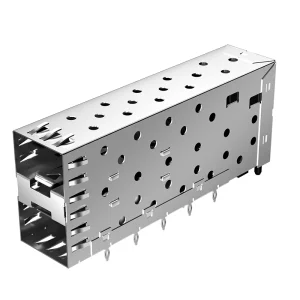
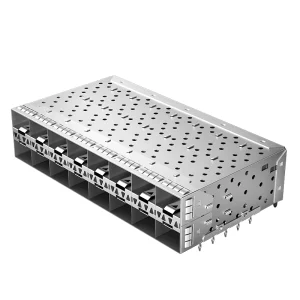
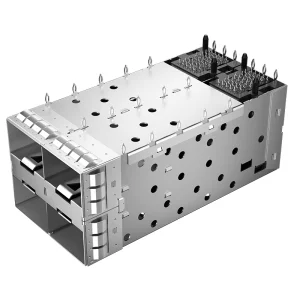
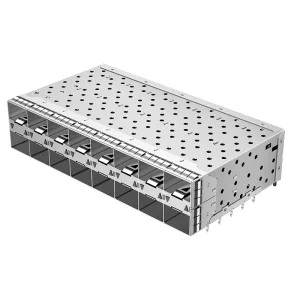
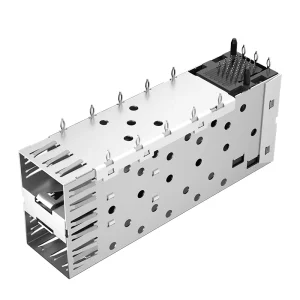
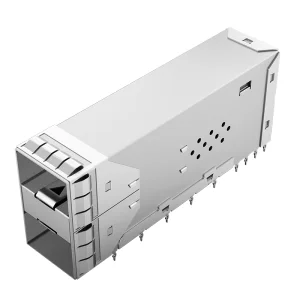
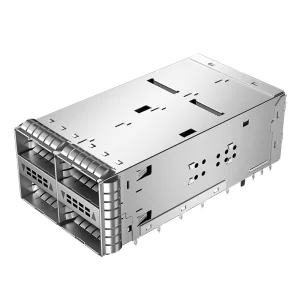
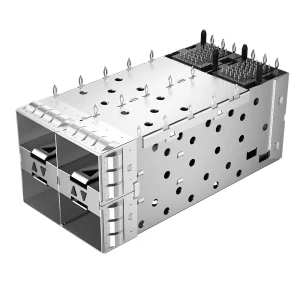
Germany serves as the digital core of Europe, anchored by the DE-CIX in Frankfurt—one of the largest internet exchanges globally in terms of data throughput. As German enterprise networks shift to 5G deployment, edge computing, and AI-optimized data center architectures, the demand for physical port density has expanded exponentially. Stacked 2xN (e.g., 2x1, 2x4, 2x6, 2x8) interconnect solutions provide double the line card density compared to single-row configurations, allowing German system integrators to save vital footprint on standard 1U/2U rack equipment.
Whether implementing networking systems within the strict parameters of the automotive manufacturing corridor in Baden-Württemberg and Bavaria, or configuring hyperscale server nodes in the metropolitan region of Frankfurt, designers face structural challenges. High-density designs require components designed to manage stringent Electromagnetic Interference (EMI) thresholds, comply with environmental standards like RoHS and REACH, and satisfy strict thermal dissipation requirements under continuous workloads.
FiberQ Technology meets this standard, engineering interconnect products that comply directly with VDE testing protocols and CE marking requirements.
For system integrity, hardware deployment in the DACH region must satisfy specific technical performance metrics:
Globally, the optical communications market is experiencing a transition driven by the migration to 400G and 800G optical networking architectures. While legacy systems leveraged 10Gbps SFP+ formats, modern infrastructures utilize SFP28 (25Gbps), zSFP+ (28Gbps NRZ), QSFP28 (100Gbps), and QSFP-DD (Double Density) high-speed formats.
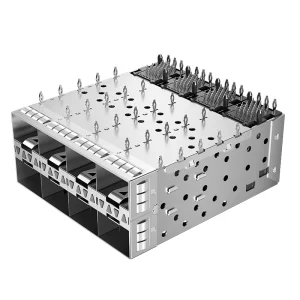
As communication channels pack closer together, multi-gigabit signal loss, crosstalk, and physical board heating represent significant engineering challenges. To mitigate these effects, 2xN stacked port designs are constructed using advanced EMI spring fingers and elastomeric gaskets to isolate adjacent ports. Integrated light pipes are designed into the structure to transmit status feedback directly from the PCB to the external faceplate, avoiding interference with optical signals.
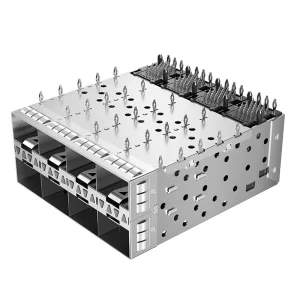
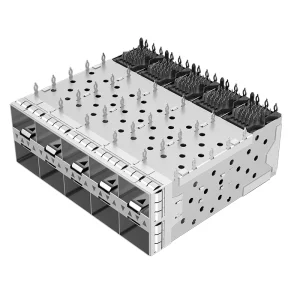
Modern factories are standardizing on Press-Fit (Elastic Eye of the Needle) termination rather than typical Wave Soldering. Press-fit terminals make cold-welded contact with plated through-holes on the PCB, eliminating heat stress during assembly, increasing throughput, and ensuring durable, repeatable mechanical connectivity capable of withstanding industrial vibrations.
Review our select intermediate configurations, utilizing advanced press-fit technologies to optimize footprint and maximize transmission performance.
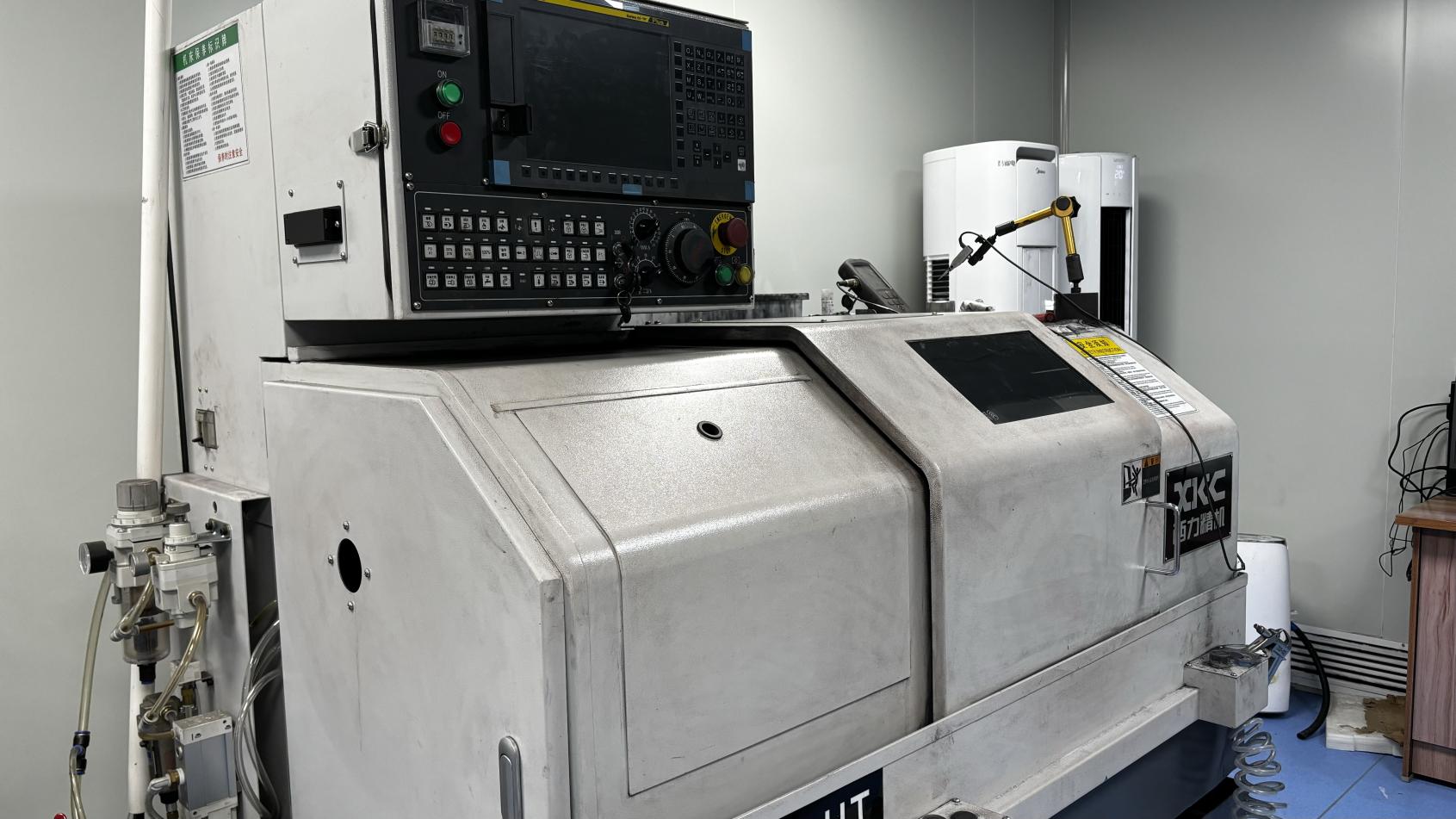
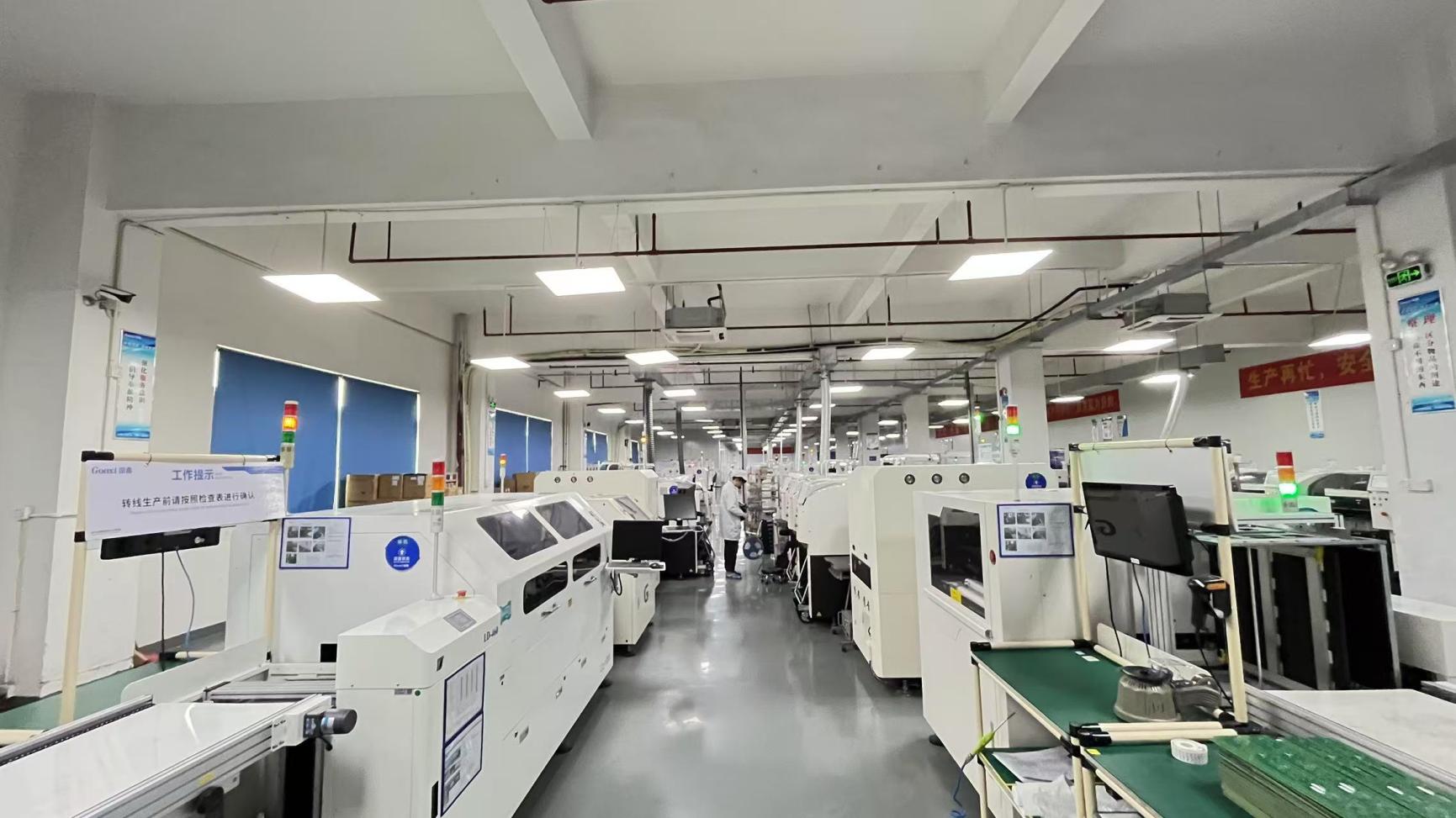
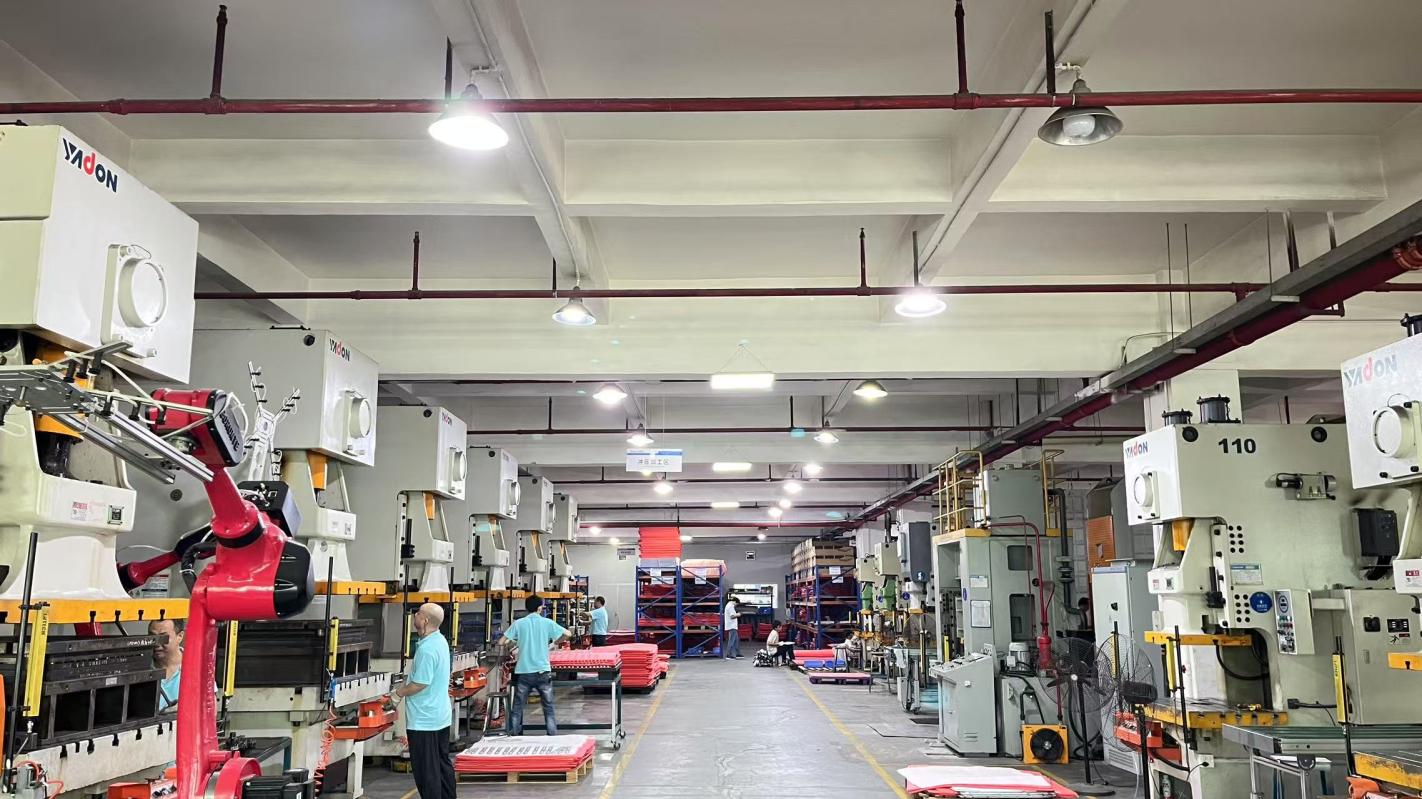
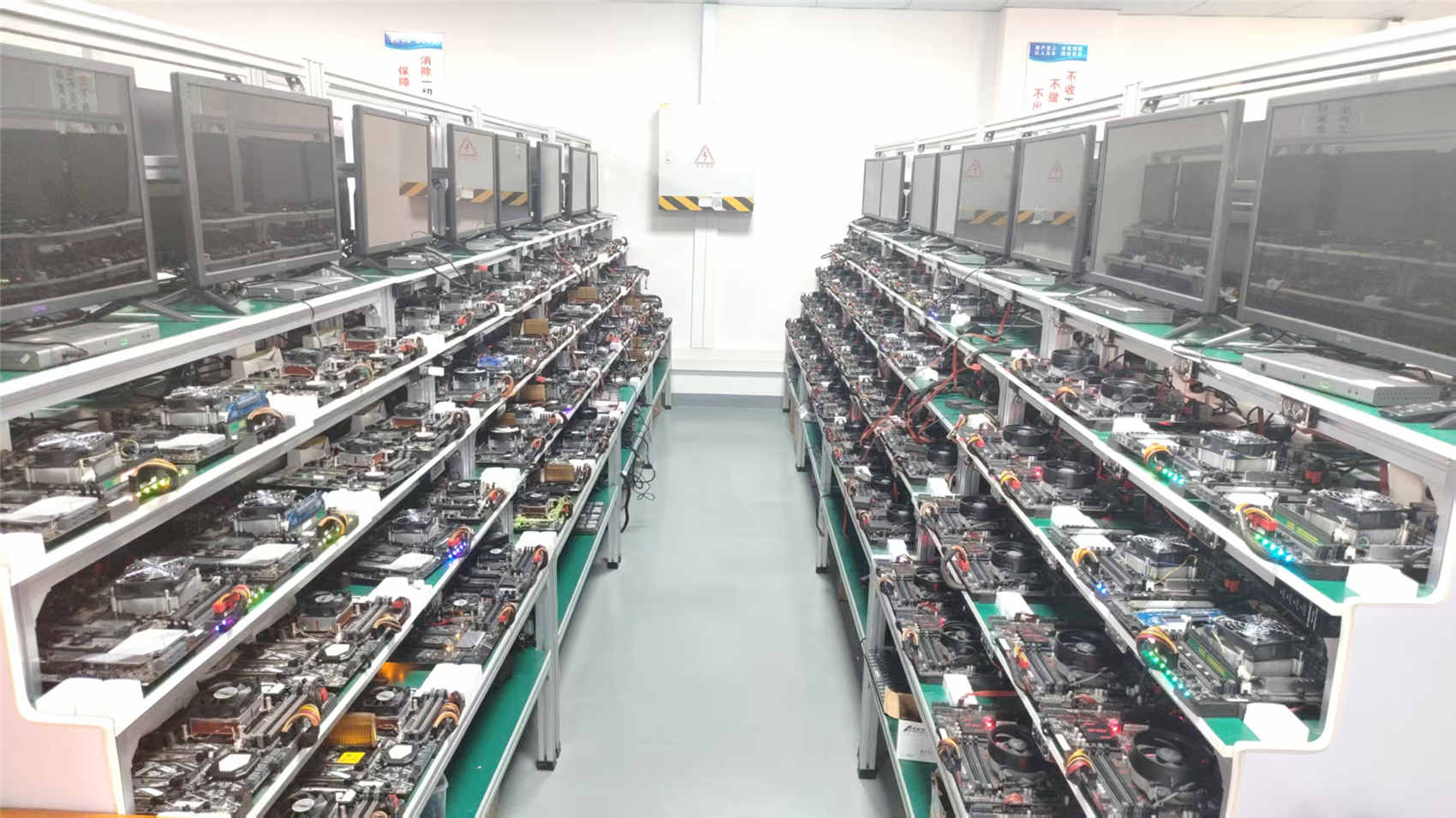
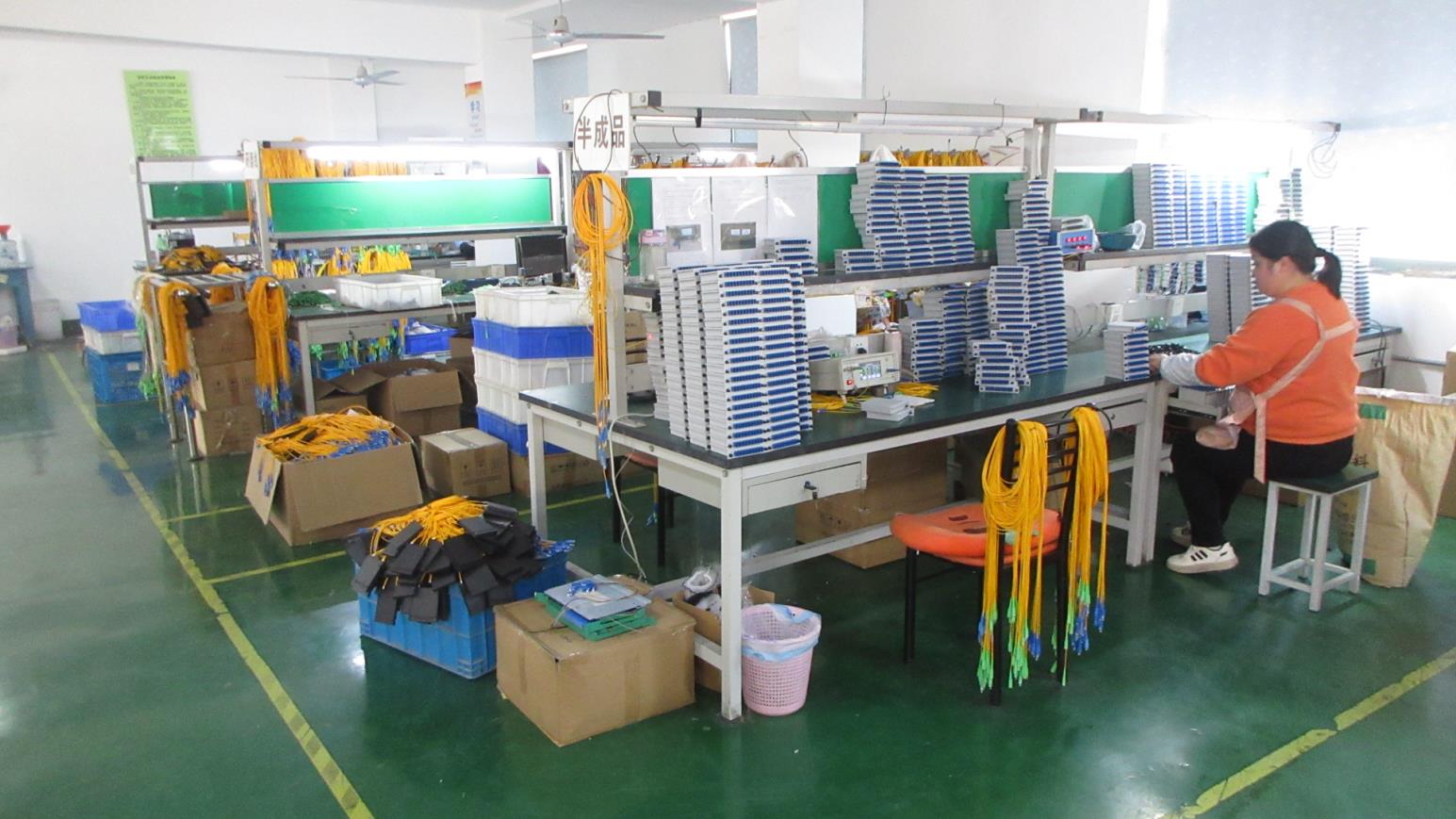
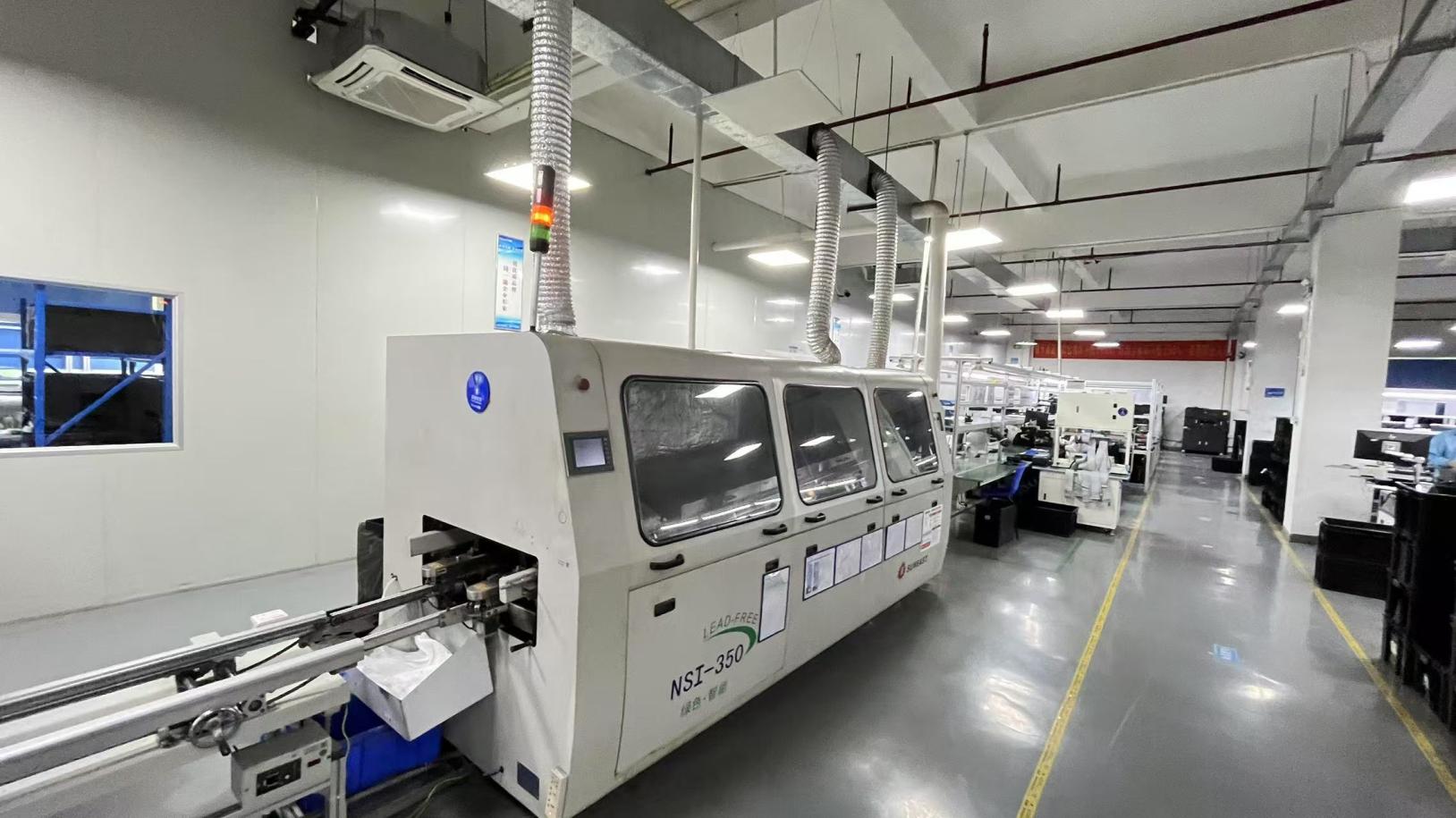
FiberQ Photonics Technology Co., Ltd. is a specialized manufacturer focused on high-performance optical transceivers and interconnect systems. Operating a modern facility of approximately 12,600㎡, we specialize in high-precision assembly, advanced automated optical testing, and strict quality control processes.
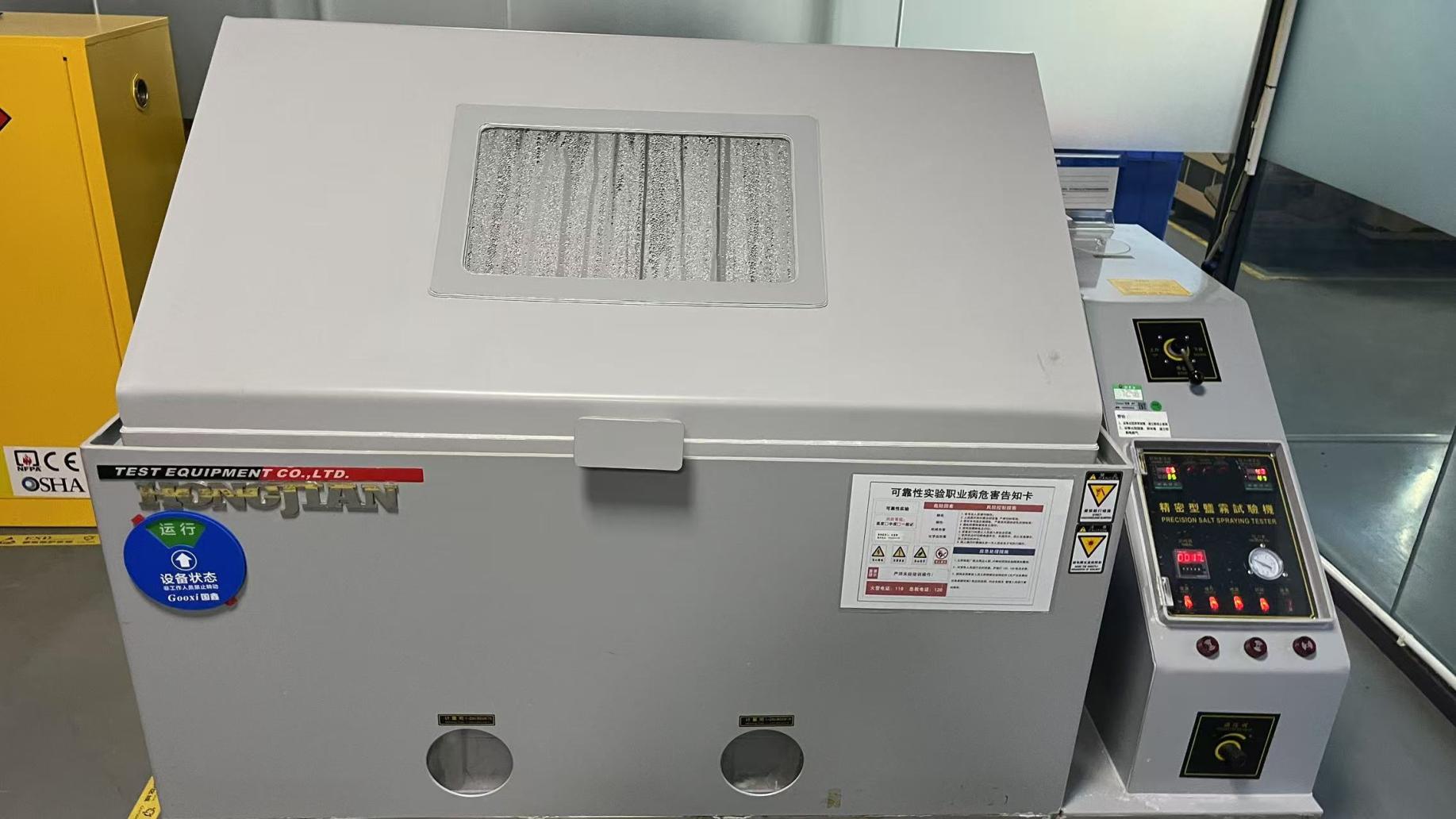
To meet the stringent mechanical and physical tolerances required by our European partners, FiberQ uses advanced multi-point automated 3D optical inspection and laser dimensional verification. Our dedicated team of 62 quality control inspectors oversees multi-stage verification including automated insertion force measurement, high-temperature thermal cycling, and advanced electrical signal integrity assessments.
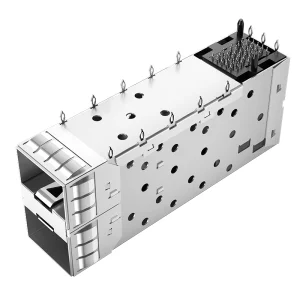
In production halls in North Rhine-Westphalia, real-time control networks (EtherCAT, PROFINET) rely on durable high-speed communication interfaces. Our 2x1 and 2x2 SFP+ Stacked Cage Connectors provide vibration-resistant press-fit connectivity to maintain uninterrupted operation for factory machinery.
Ultra-low latency trading platforms require optical transceivers with clean electrical signal pathways. High-speed zSFP+ and SFP28 2x6 stacked systems optimize space while minimizing signal jitter, supporting high-density server configurations.
Autonomous driving testing centers and municipal street sensor grids across Stuttgart rely on rugged edge computing enclosures. Our robust press-fit stacked cages with integrated light pipes allow field technicians to monitor link states directly through visual indicators.
As port speeds scale from 28 Gbps per channel toward 56 Gbps (PAM4) and 112 Gbps (PAM4), design parameters shift dramatically. Next-generation designs transition from stacked SFP+ formats to OSFP and QSFP-DD 2xN stacked platforms, incorporating internal shielding systems designed to isolate thermal output.
FiberQ is proactively designing 224G-ready stacked configurations. These systems leverage specialized liquid-cooling compatibility, low-outgassing plastics, and contact pin geometry engineered to minimize impedance mismatch.
Our global engineering network works with industry standards bodies to deliver technology aligned with future demands. Our roadmap emphasizes:
Review our high-density EMI-shielded configurations. Engineered to support high signal integrity in dense server chassis and high-speed data transmission designs.
Yes. Our stacked 2xN connectors are designed to meet Multi-Source Agreement (MSA) standards, providing drop-in compatibility with corresponding TE Connectivity, Molex, and Amphenol parts. They match the original PCB layouts, pin mapping, mechanical footprints, and panel cutout dimensions.
We use high-performance copper alloys combined with advanced EMI shielding configurations, including elastomeric gaskets and multi-point spring fingers. This maintains electrical ground continuity to the chassis panel, containing high-frequency radiation and ensuring your equipment can meet CISPR 32 / EN 55032 Class B emission limits.
Press-fit technology enables a solderless, cold-welded mechanical and electrical connection directly to the PCB. This eliminates thermal stress during board assembly, prevents solder bridging defects, and makes field replacement easier. It complies with DIN standards for high-vibration applications.
Yes, all products manufactured by FiberQ are fully compliant with RoHS 3 (Directive 2015/863/EU) and REACH standards. We issue complete declarations of conformity and material composition reports upon request.
Yes. Our R&D department supports mechanical customization, including customized light pipe layouts, integrated heat sink profiles, and modified mounting configurations. Contact our DACH customer support team with your design parameters.
Connect with our engineering specialists to discuss signal integrity simulations, request physical samples, or obtain custom drawings for your 2xN stacked port integration.
Send Inquiry Now