FiberQ
FiberQ
FiberQ
Optimized interconnect components engineered to maximize PCB real estate and deliver low insertion loss in high-density rack environments.
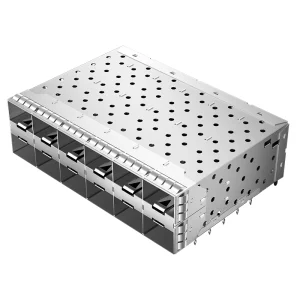
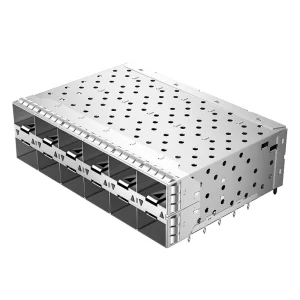
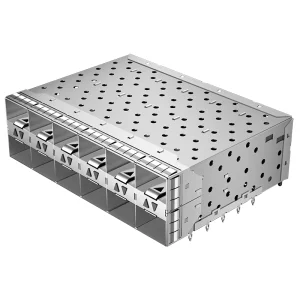
Jakarta, the economic epicenter of Indonesia and one of Southeast Asia's fastest-growing digital markets, is undergoing an unprecedented expansion in data center capacity. From hyperscale projects in the Cikarang and Bekasi corridors to edge datacenters located in downtown Jakarta and Bumi Serpong Damai (BSD City), international cloud giants and regional telecom operators (such as Telkom Indonesia, Indosat Ooredoo Hutchison, and XL Axiata) are aggressively scaling their infrastructure.
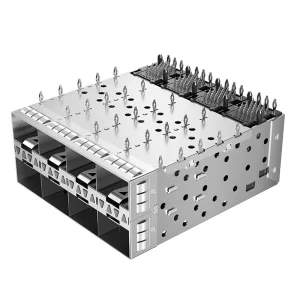
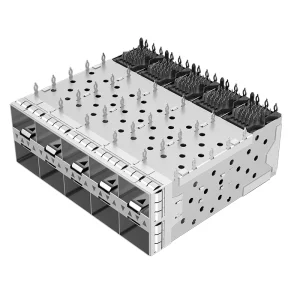
In this digital ecosystem, density is paramount. As physical facility space in the Jabodetabek region commands a premium, hardware architects must deploy high-speed optical transceivers and switches that utilize every square millimeter of rack and PCB surface area. This demand directly drives the necessity for 2xN Stacked SFP/SFP+ and SFP28 Cages and Connectors.
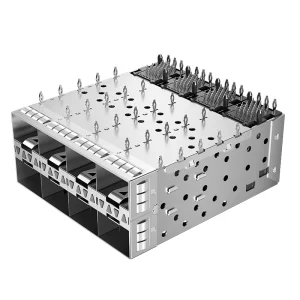
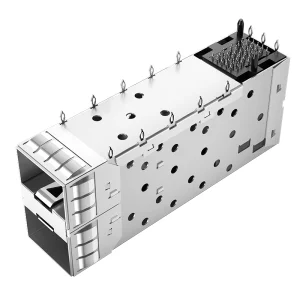
By stacking ports vertically (e.g., 2x1, 2x2, 2x4, 2x6, and 2x8 port configurations), engineers can double the density of high-speed optical interfaces on network switch line cards, telecom aggregation platforms, and enterprise server boards without expanding the physical size of the system. In Jakarta’s highly competitive and fast-evolving technological landscape, sourcing reliable, low-latency, and EMI-shielded 2xN components is not just a hardware selection—it is a critical strategic advantage.
Insight into the evolution of physical layer components in modern optical networks.
Global networks are pushing the limits of bandwidth density. Transitioning from 1xN single-row layouts to 2xN stacked designs halves the horizontal bezel spacing required, allowing up to 48 ports on a standard 1RU switch panel. FiberQ's stacked cages offer seamless mechanical drop-in replacements for major legacy brands.
Higher data rates (such as 10Gbps SFP+, 25Gbps SFP28, and 100Gbps zQSFP+) generate significant electromagnetic interference (EMI) and crosstalk. Our 2xN designs feature advanced elastomeric gaskets, metal EMI spring fingers, and strategically positioned internal isolation barriers to exceed IEEE 802.3 specifications.
Wave-soldering is prone to dry joints and thermal stress on multi-layered datagrade PCBs. FiberQ's compliant-pin (Press-Fit) technology ensures mechanical robustness, stable electrical contact resistance below 10mΩ, and clean transmission line traces without solder residue or high-temperature degradation.
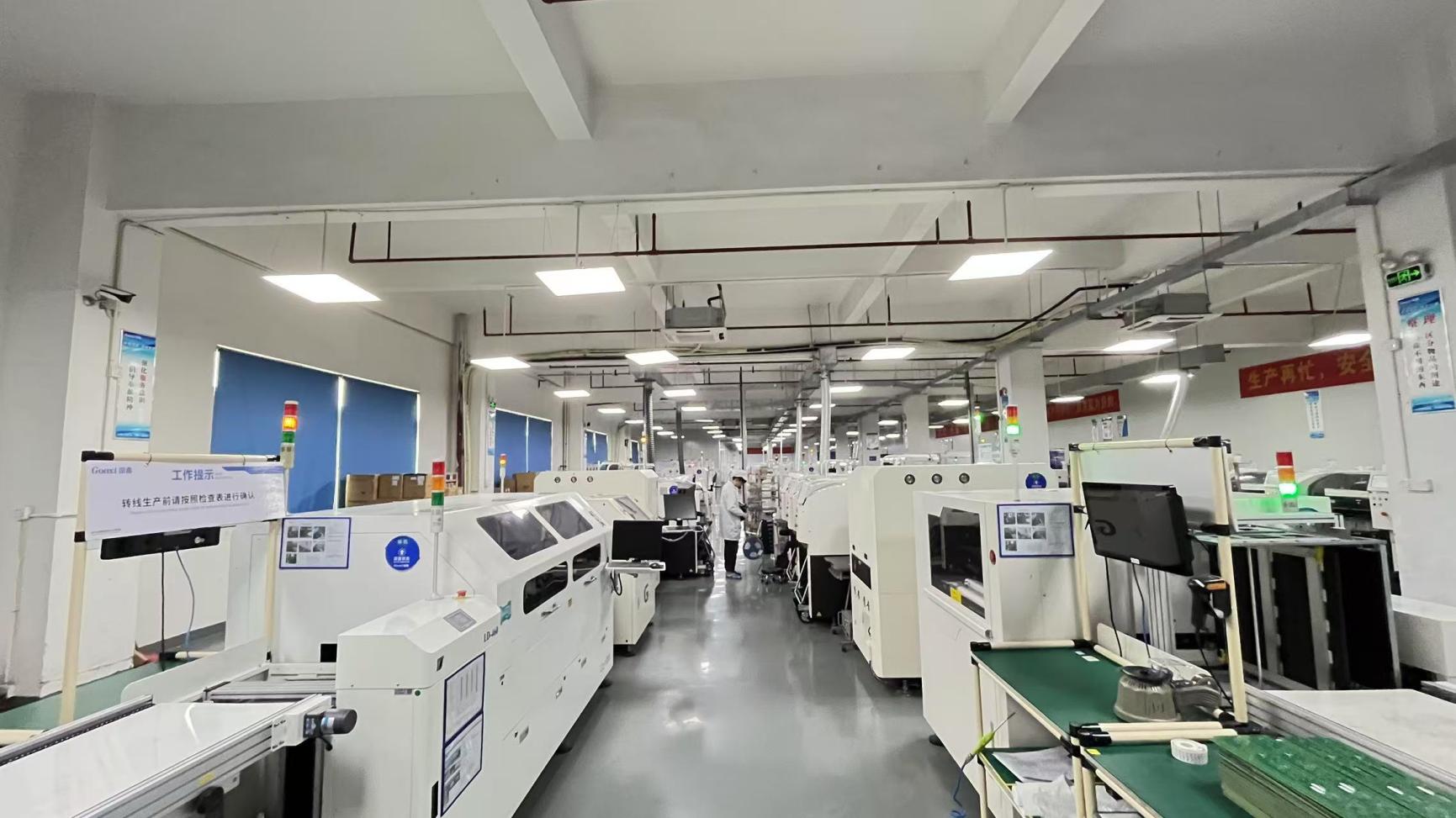
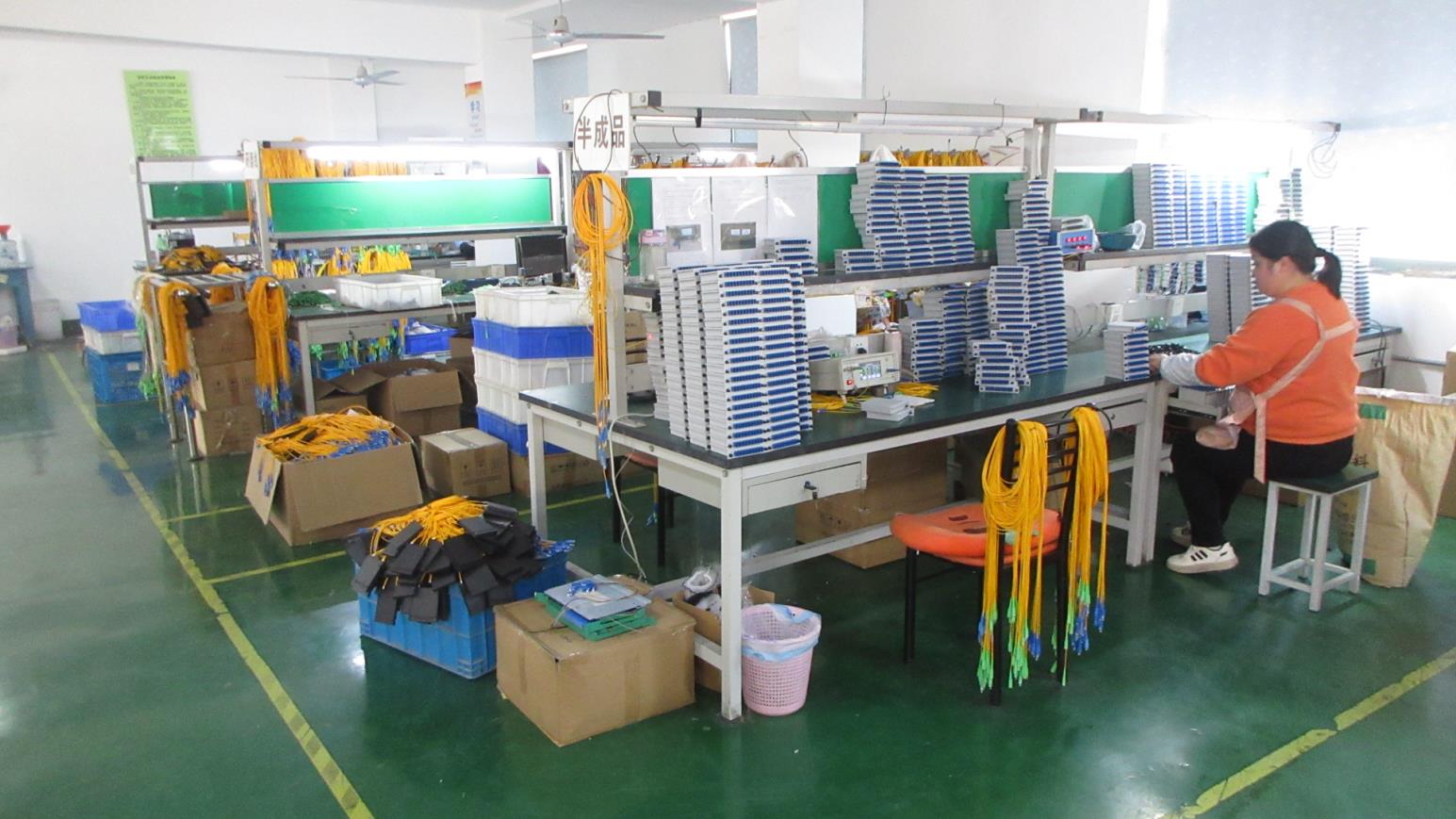
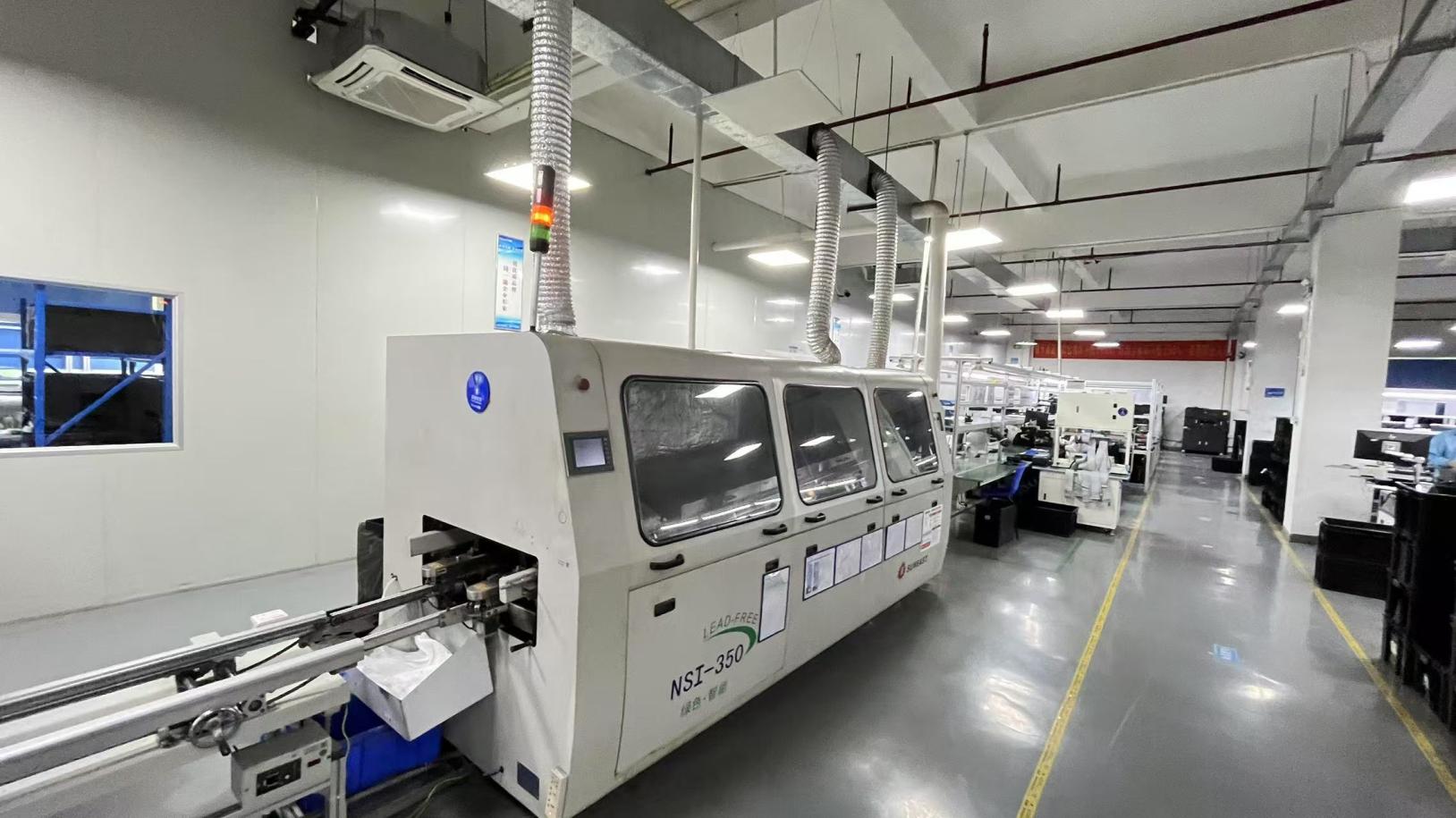
As global electronics supply chains experience fluctuations, procurement leaders in Jakarta and the wider APAC region require stability, rapid turnaround times, and consistent mechanical precision. FiberQ Photonics meets this demand through our advanced China Factory 4.0 manufacturing framework.
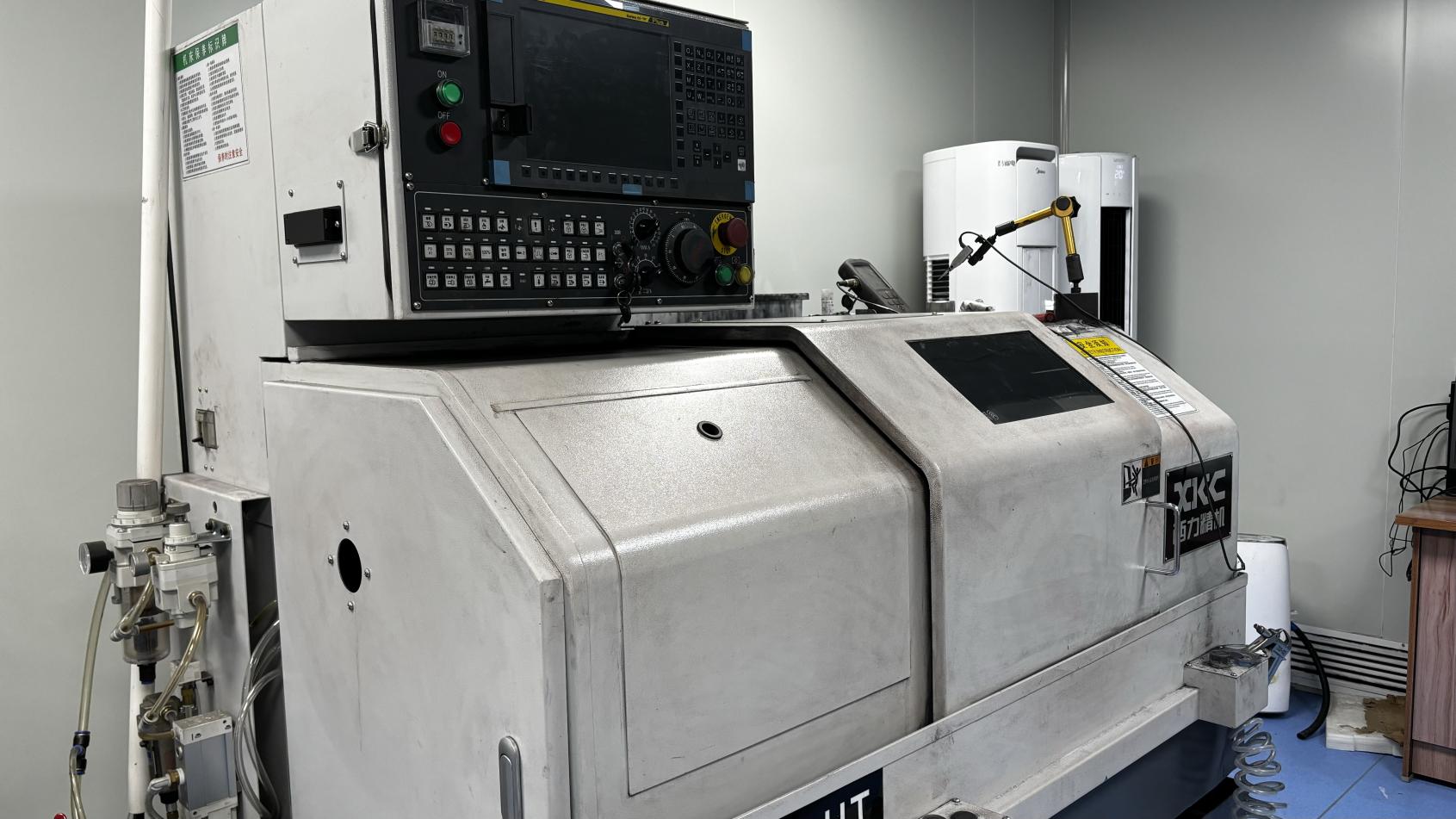
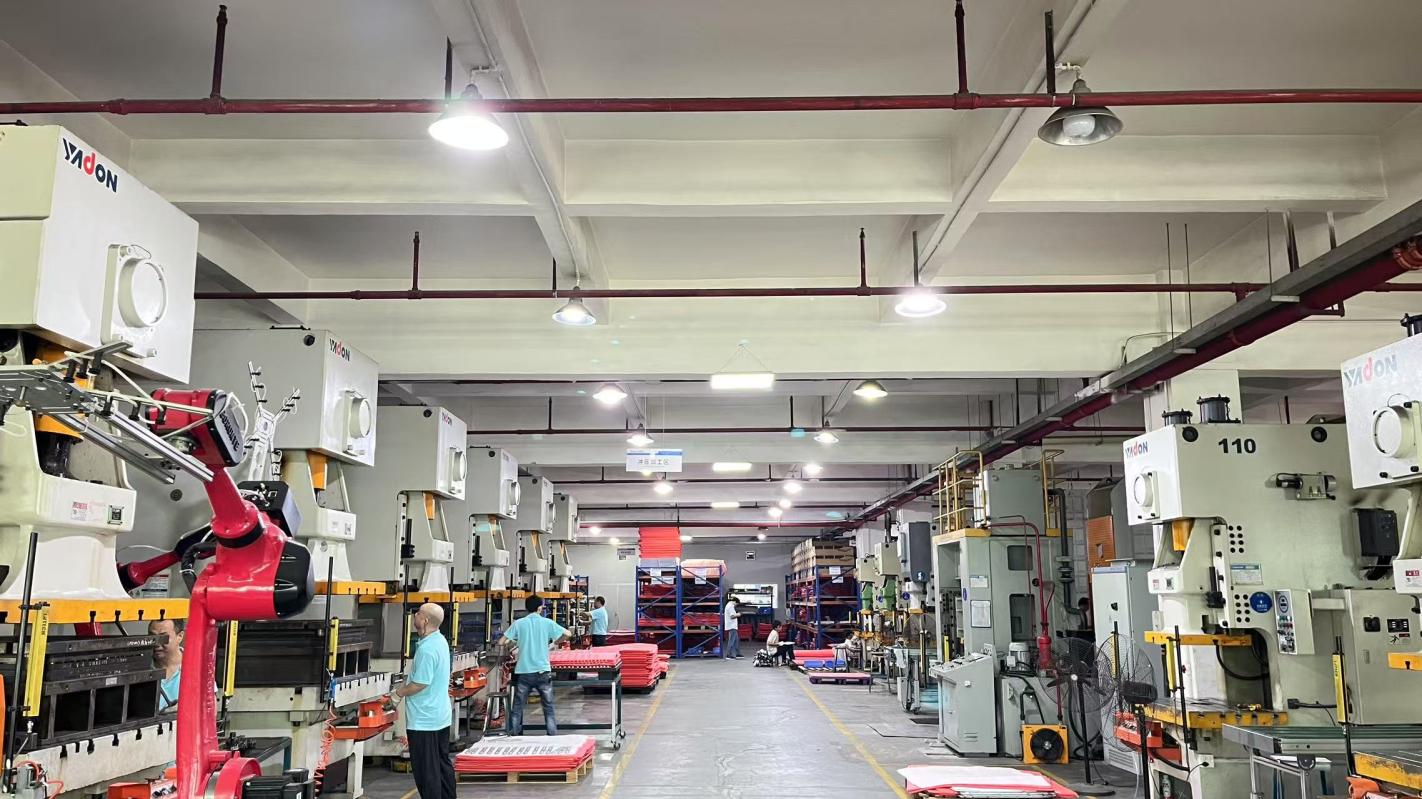
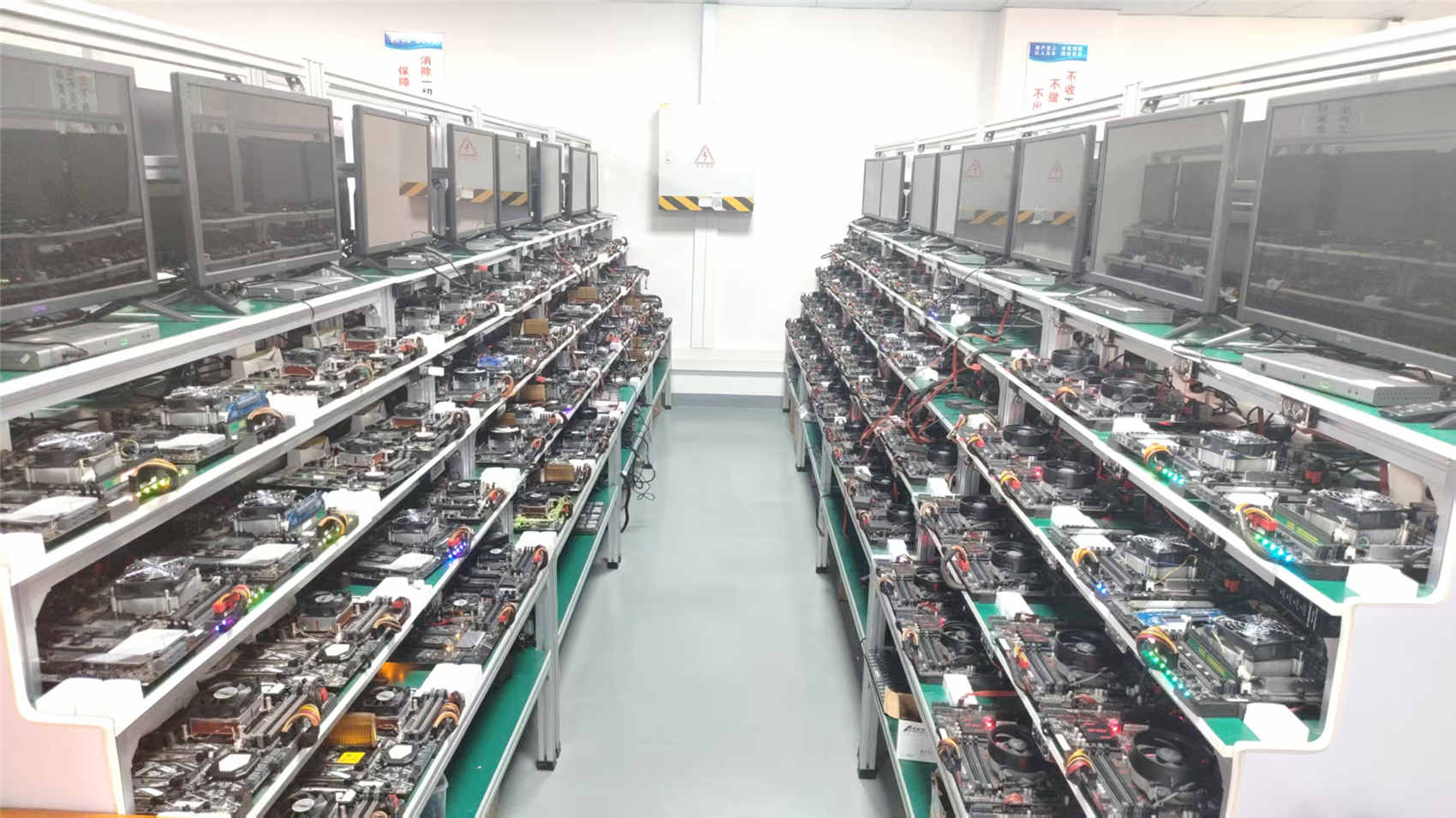
We leverage highly automated assembly lines, high-speed progressive metal stamping dies, and computer-controlled plastic injection molding machines to achieve consistent micron-level dimensional accuracy. Automated Optical Inspection (AOI) and 3D coordinate measuring systems test all critical tolerances to guarantee seamless mating with SFF-compliant transceivers.
Our collaborative network of approximately 1,450 supply chain partners ensures uninterrupted raw material procurement (e.g., premium nickel-silver alloys for cages and high-performance, high-temperature LCP plastics for internal connectors). By controlling both component fabrication and final test validation, we mitigate bottlenecks and buffer against price volatility, delivering direct cost-efficiency and reliable lead times to Indonesian system integrators.
"Engineered for 12+ years in optical communications, exporting to North America, Europe, Japan, and Southeast Asia."
Adapting high-density interconnect technologies to Jakarta's dynamic industrial ecosystem.
Deployed in high-speed leaf-spine switches, server network interface cards (NICs), and dense storage controllers. Our SFP28 2x6 stacked cages with integrated light pipes provide clear visual status monitoring for port diagnosis while maintaining low EMI levels next to CPU cards.
Jakarta's telecommunication towers and regional switching sites demand mechanical components that withstand tropical temperatures and humidity. Press-fit, multi-port 2x2 and 2x4 designs eliminate cold solder joints caused by environmental vibration and thermal expansion cycles.
Modern industrial automation networks in port terminals require reliable, shielded connectors for high-resolution video monitoring and real-time sensor processing. Stacked EMI-shielded SFP cages prevent packet drops caused by electromagnetic motor noise.
Cross-brand compatible interconnect hardware, built to industry-standard dimensions for flawless performance.
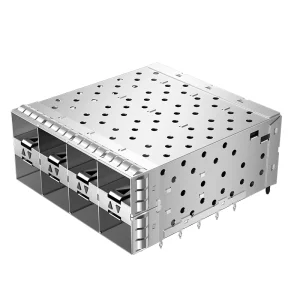
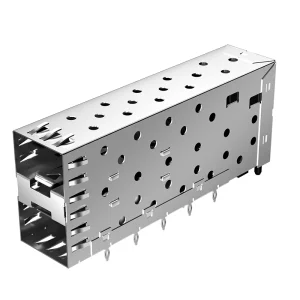
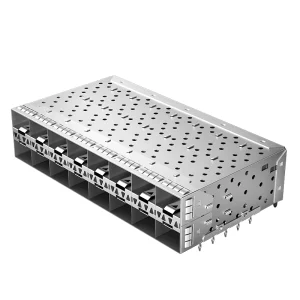
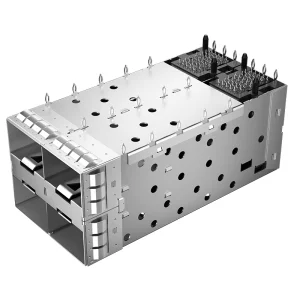
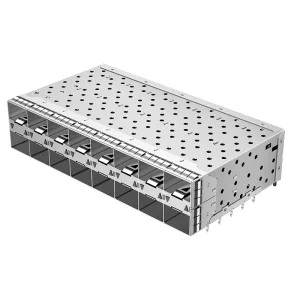
FiberQ Photonics supports data center infrastructure providers and telecommunication manufacturers globally. In addition to standard product lines, our 240-engineer R&D center works closely with clients to design customized port configurations, specialized pin structures (Press-fit/complaint-pin or through-hole solder), custom EMI shielding layouts, and unique light pipe options.
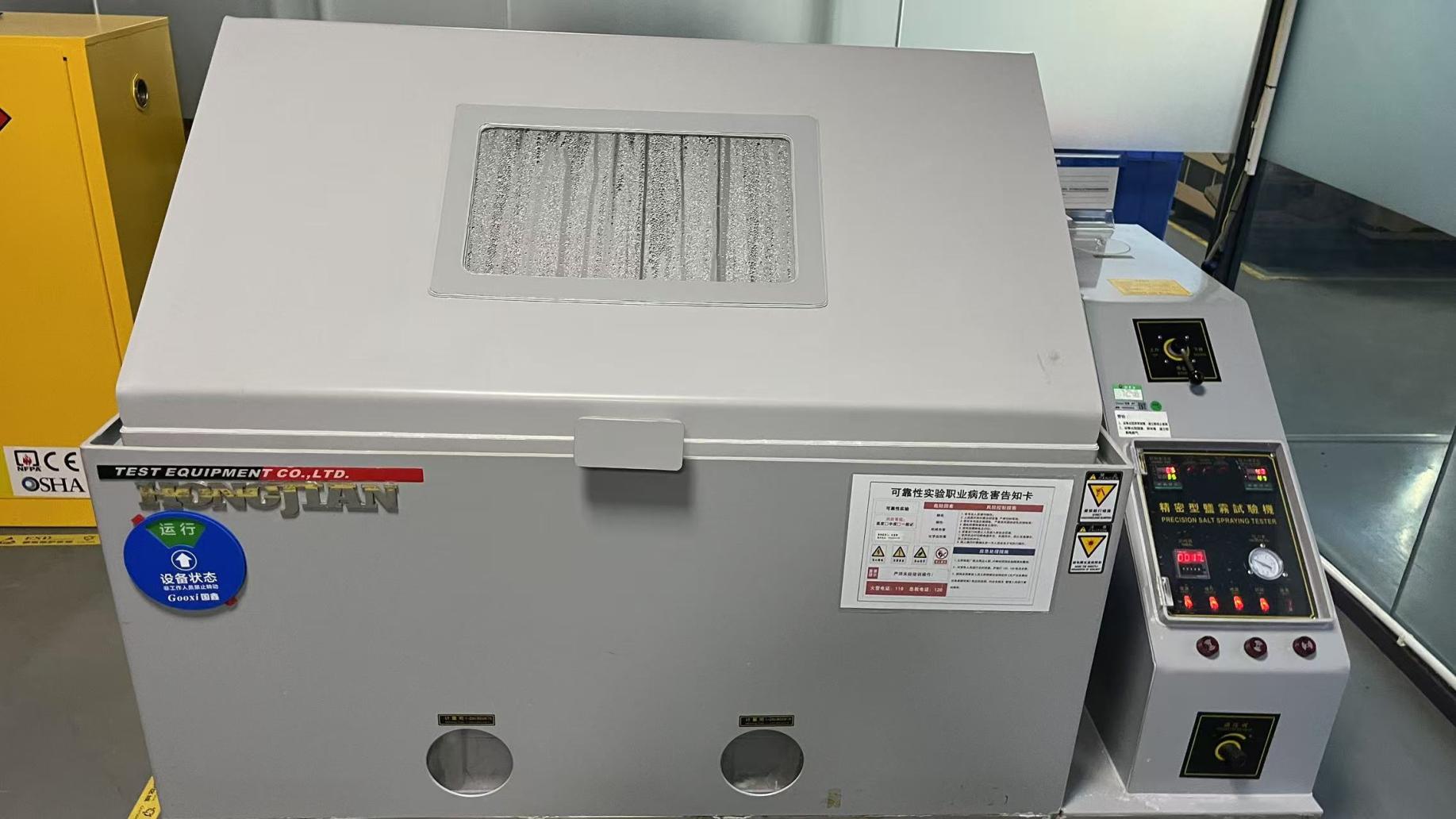
Our quality assurance workflows are built around reliability and precision: automated optical measurements verify structural tolerances, interferometric equipment inspects signal channels, and thermal chamber cycling models real-world cabinet conditions. Our 62-person quality control department oversees every stage of manufacturing to ensure complete compliance with international criteria (ISO9001, RoHS, REACH, CE).
| Parameter | FiberQ Specifications |
|---|---|
| Port Configurations | 2x1, 2x2, 2x4, 2x5, 2x6, 2x8 stacked configurations |
| Base Metal Material | Copper alloy, nickel-plated / stainless steel options |
| Mounting Method | Compliant press-fit termination (Press-Fit) / Through-Hole |
| Data Speed Class | SFP (1G), SFP+ (10G), SFP28 (25G), zSFP+ / zQSFP+ |
| EMI Mitigation | External spring-finger bezels / elastomeric conductive gaskets |
12+ Years
Industry Engineering Expertise
Frequently asked technical and commercial questions about sourcing 2xN stacked connectors for Southeast Asian networks.
A: Stacked 2xN designs double vertical port density, enabling higher layout consolidation on the host PCB. They integrate both the upper and lower connectors into a single mechanical structure, streamlining physical traces and optimizing return loss characteristics. However, because ports are positioned closely together, choosing high-quality shields with isolation barriers is crucial to prevent inner-channel crosstalk, especially at higher frequencies like 25Gbps (SFP28).
A: Our cages and integrated connectors are engineered in strict accordance with the Small Form Factor Committee Multi-Source Agreements (MSAs), including SFF-8432 (SFP+ Cage and Connector dimensions) and SFF-8402. Pin assignments, compliant press-fit diameters, footprint layouts, and optical window coordinates match the mechanical and electrical specifications of major industry brands, allowing our parts to serve as direct drop-in replacements.
A: Yes. Southeast Asian data centers and telecom stations must account for ambient humidity. We apply multi-layer nickel and gold plating over our premium copper alloy contacts to prevent oxidation and copper migration. Our hardware undergoes strict temperature and humidity testing (e.g., 85% relative humidity at 85°C for 500 hours) to ensure long-term contact resistance stability.
A: We offer comprehensive customization options including specific light-pipe configurations, customized EMI shielding fingers, varying press-fit pin lengths for different PCB thicknesses, and specialized thermal heatsink assemblies. Our R&D team can perform custom thermal and signal integrity simulation studies based on your specific system layouts.
A: Standard lead times for volume production range from 2 to 4 weeks depending on order volume. We utilize air freight routes directly to Soekarno-Hatta International Airport (CGK) for urgent requests, or sea freight shipping to Tanjung Priok Port (Jakarta) for larger bulk shipments. We provide all necessary shipping documentation (Certificate of Conformance, RoHS compliance declaration, packing lists) to ensure clean customs clearance.