 FiberQ
FiberQ
FiberQ
Engineered for seamless compatibility, our top 25G SFP28 modules support local ISPs and metro networks in Brazil, delivering maximum optical budget and reliability.
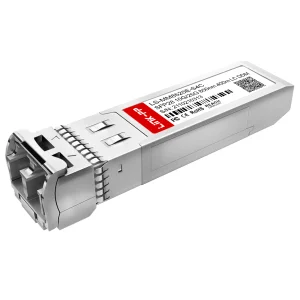
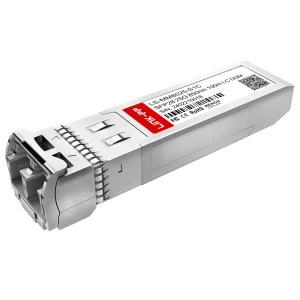
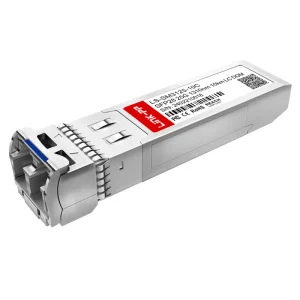
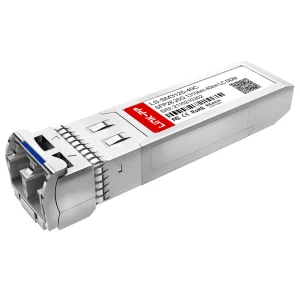
The telecommunications landscape in Brazil is undergoing a monumental shift. Spurred by ANATEL's strict timeline for 5G Standalone (SA) deployments and the dramatic increase in cloud data center projects across São Paulo, Rio de Janeiro, and Fortaleza, existing network infrastructure demands unprecedented density and bandwidth. The traditional 10G networks are fast becoming bottlenecks, driving network engineers to shift toward 25G SFP28 and 32G Fibre Channel modules as their primary standard.
Unlike other Latin American markets, Brazil has a unique topology. There are over 10,000 active, regional Internet Service Providers (ISPs or Provedores de Internet) serving millions of households. These ISPs are upgrading their fiber-to-the-home (FTTH) aggregation links to handle increased local traffic, making 25G BiDi (Bidirectional) and CWDM/DWDM transceivers highly sought-after. Additionally, enterprise SAN (Storage Area Network) environments in metropolitan hubs like Campinas and São Paulo are transitioning to 32G SFP28 storage arrays to support intensive banking, agricultural tech, and corporate cloud databases.
Our transceivers undergo extensive electrical testing and parameter optimization, aligning with ANATEL's rigorous homologation standards for electromagnetic compatibility and performance stability under Brazil's diverse tropical climates.
By leveraging Simplex BiDi, CWDM, and DWDM technologies, regional Brazilian ISPs can double or quadruple bandwidth capacity over existing dark fiber lines, avoiding costly trenching and installation overhead.
Every module is programmed at the factory level to match the Host EEPROM data of key network brands, ensuring 100% plug-and-play capability with Cisco, Huawei, Nokia, Juniper, and Datacom switches commonly deployed in Brazil.
Although they share the same physical form factor (SFP28 - Small Form-factor Pluggable 28), 25G Ethernet and 32G Fibre Channel serve completely distinct protocol layers and hardware environments. Understanding these architectural variances is critical for network designers, procurement managers, and system integrators operating in the Brazilian market.
A typical 25G SFP28 module operates at a signaling rate of 25.78 Gbps, adhering strictly to the IEEE 802.3by and SFF-8402 standards. It represents the natural evolution of 10G SFP+, using the same physical size but running on next-generation ASIC serializer/deserializer (SerDes) channels. This enables data centers to upgrade bandwidth by 2.5x without altering rack configurations. In contrast, a 32G SFP28 Fibre Channel (32GFC) module runs at 28.05 Gbps to carry native FC protocols for enterprise Storage Area Networks (SANs). These modules support auto-sensing back-compatibility (16GFC and 8GFC), allowing hot-pluggable integration into existing storage fabrics.
| Parameter / Metric | 25G SFP28 (Ethernet) | 32G SFP28 (Fibre Channel) | Application Impact (Brazil Context) |
|---|---|---|---|
| Nominal Data Rate | 25.78 Gbps | 28.05 Gbps | Tailored throughput based on routing vs. storage architectures. |
| Protocols Supported | 25GBASE-R, CPRI Option 10 | 32G FC, 16G FC, 8G FC | Aligns with telecom fronthaul or high-performance enterprise SANs. |
| Max Reach Options | 100m (SR), 10km (LR), 40km (ER) | 100m (MMF), 10km (SMF) | Allows long-distance connection for remote sites across larger states. |
| FEC Requirement | RS-FEC (Clause 108) or Base-R FEC | Transmitters built-in RS-FEC | Ensures error-free transmission over aging fiber runs. |
| Typical Wavelengths | 850nm, 1310nm, CWDM, DWDM, BiDi | 850nm (VCSEL), 1310nm (DFB) | DWDM is vital for link expansion in fiber-deficient regions. |
For Brazilian deployments, the selection of the optical interface is closely tied to fiber density. For instance, in densely populated districts of Rio de Janeiro, Single-Mode BiDi 25G SFP28 transceivers (transmitting at 1270nm and receiving at 1330nm, or vice-versa) are highly preferred. By routing upstream and downstream traffic over a single fiber strand, operators slash optical lease costs in half. For long-haul links traversing regional Brazil, 25G SFP28 ER (Extended Range) modules featuring high-sensitivity APD receivers are deployed to span up to 40km without mid-span amplification.
Advanced Production Facility
Dedicated R&D Engineers
Annual Global Export Revenue
New Optical Products Yearly
As a leading Chinese optical communication pioneer founded in 2015, FiberQ Photonics Technology Co., Ltd. has built a reputation for high-performance transceiver design and production. Over the past 12 years of industry engineering experience and 6 years of international trade operations, we have streamlined our assembly and quality assurance workflows to meet the demanding requirements of global buyers.
Our ISO9001:2015-certified manufacturing plant spans 12,600 square meters. The facility is equipped with fully automated high-precision optical sub-assembly (OSA) die-bonding, wire-bonding, and optical alignment stations. To maintain absolute reliability, FiberQ operates a robust test lab where a dedicated team of 62 quality control inspectors runs automated optical performance testing, real-time bit error rate (BER) analysis, eye diagram measurements, and high-temperature aging chambers. Because of these rigorous standards, our defect rate is consistently kept under 200ppm.
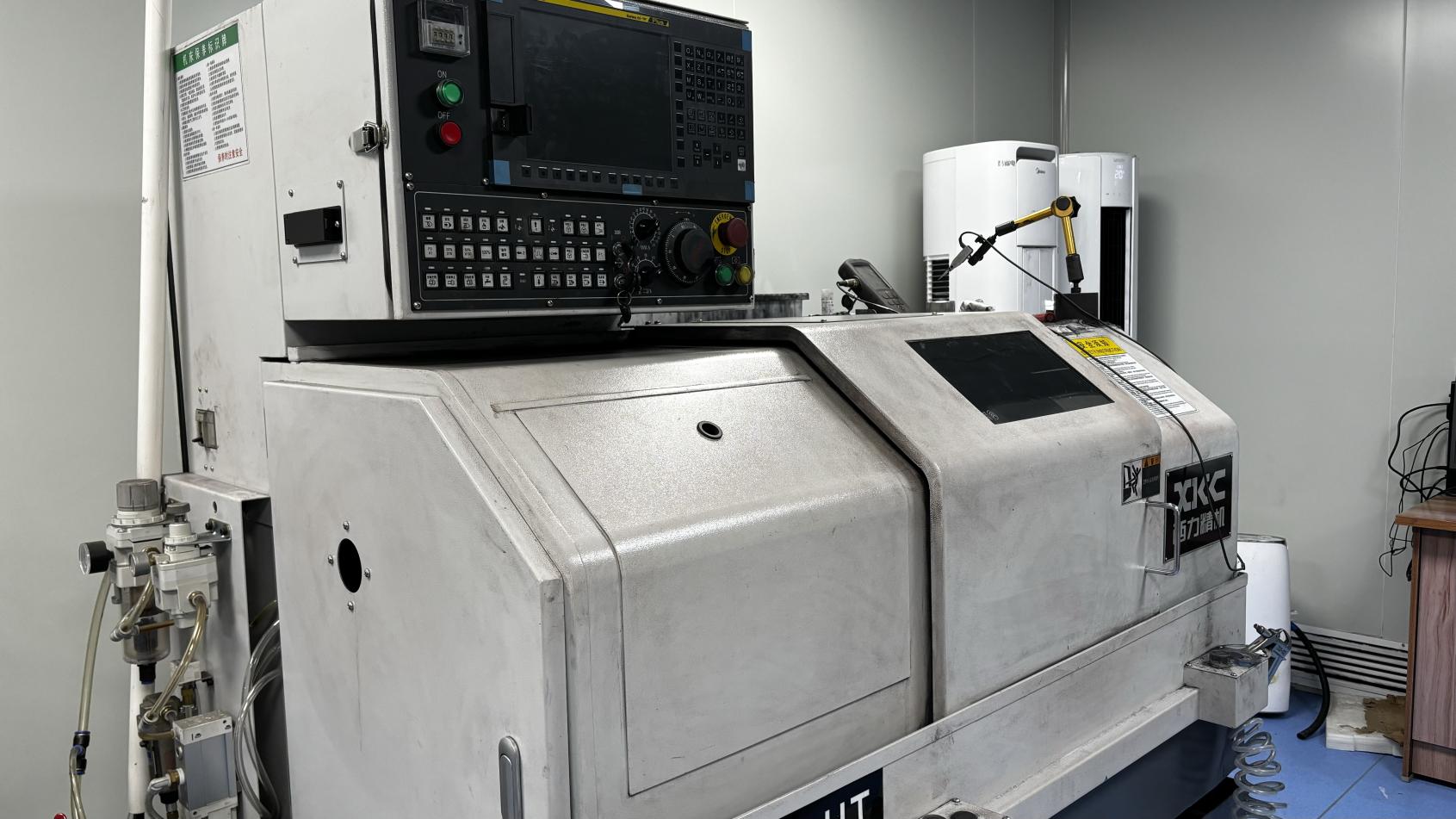
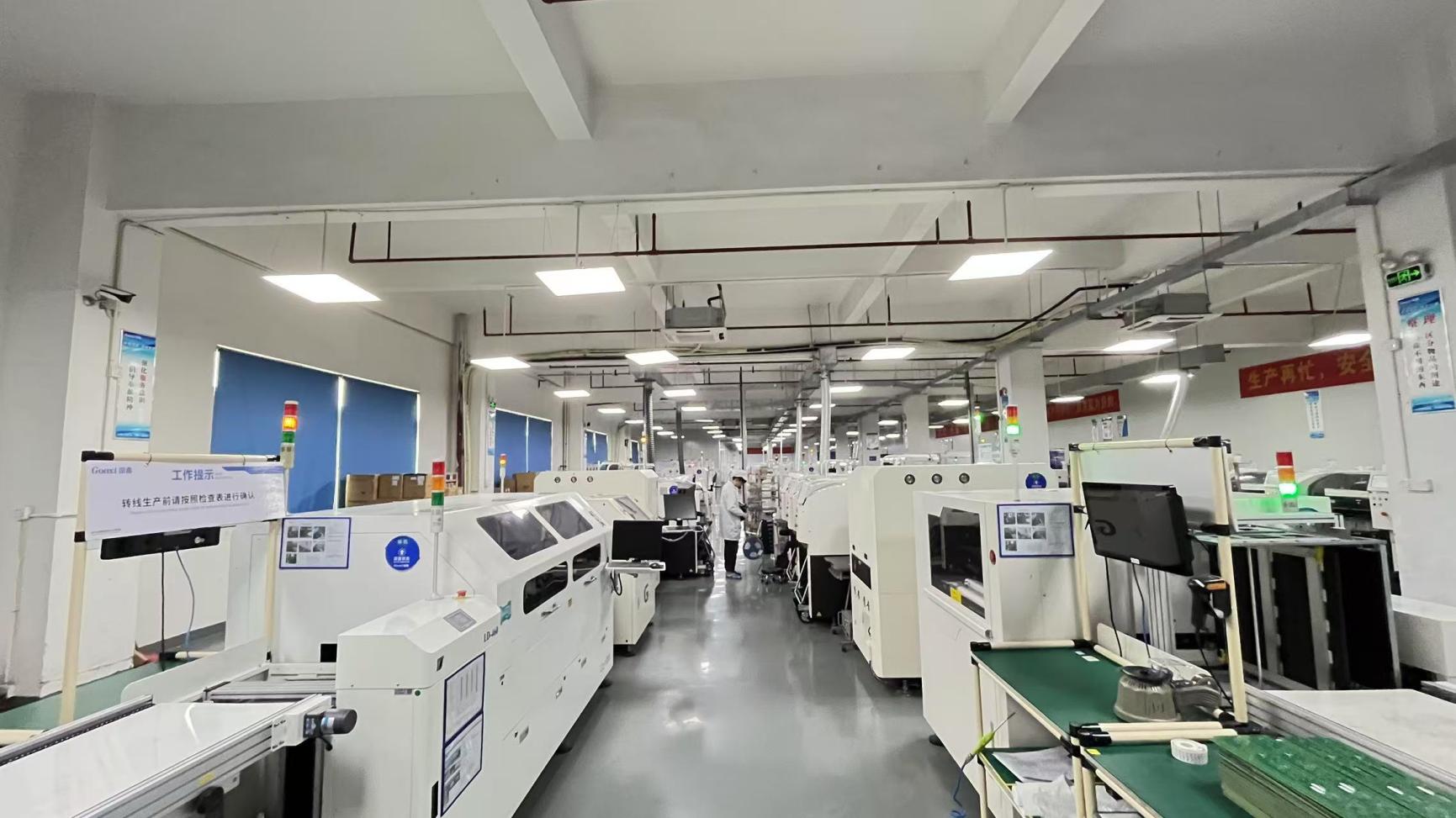
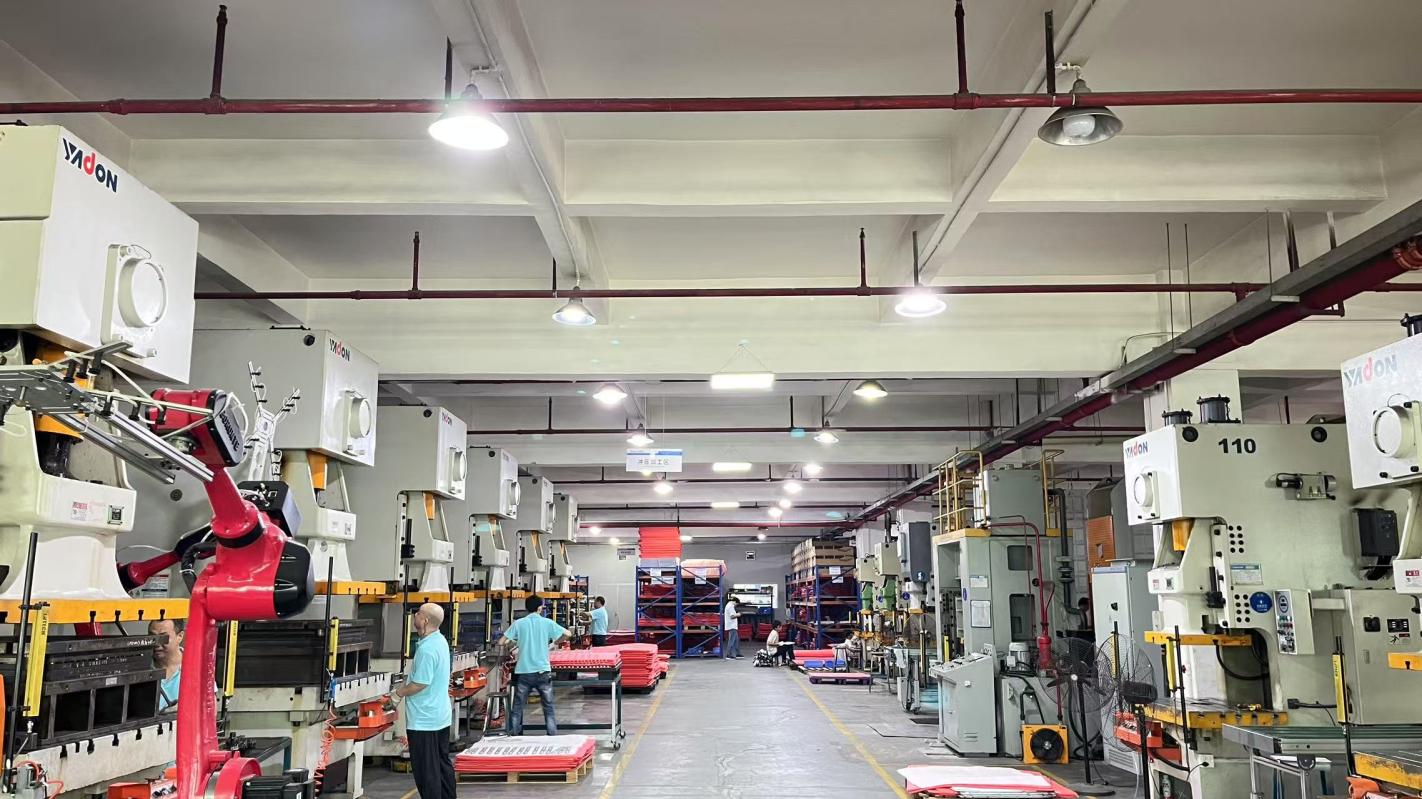
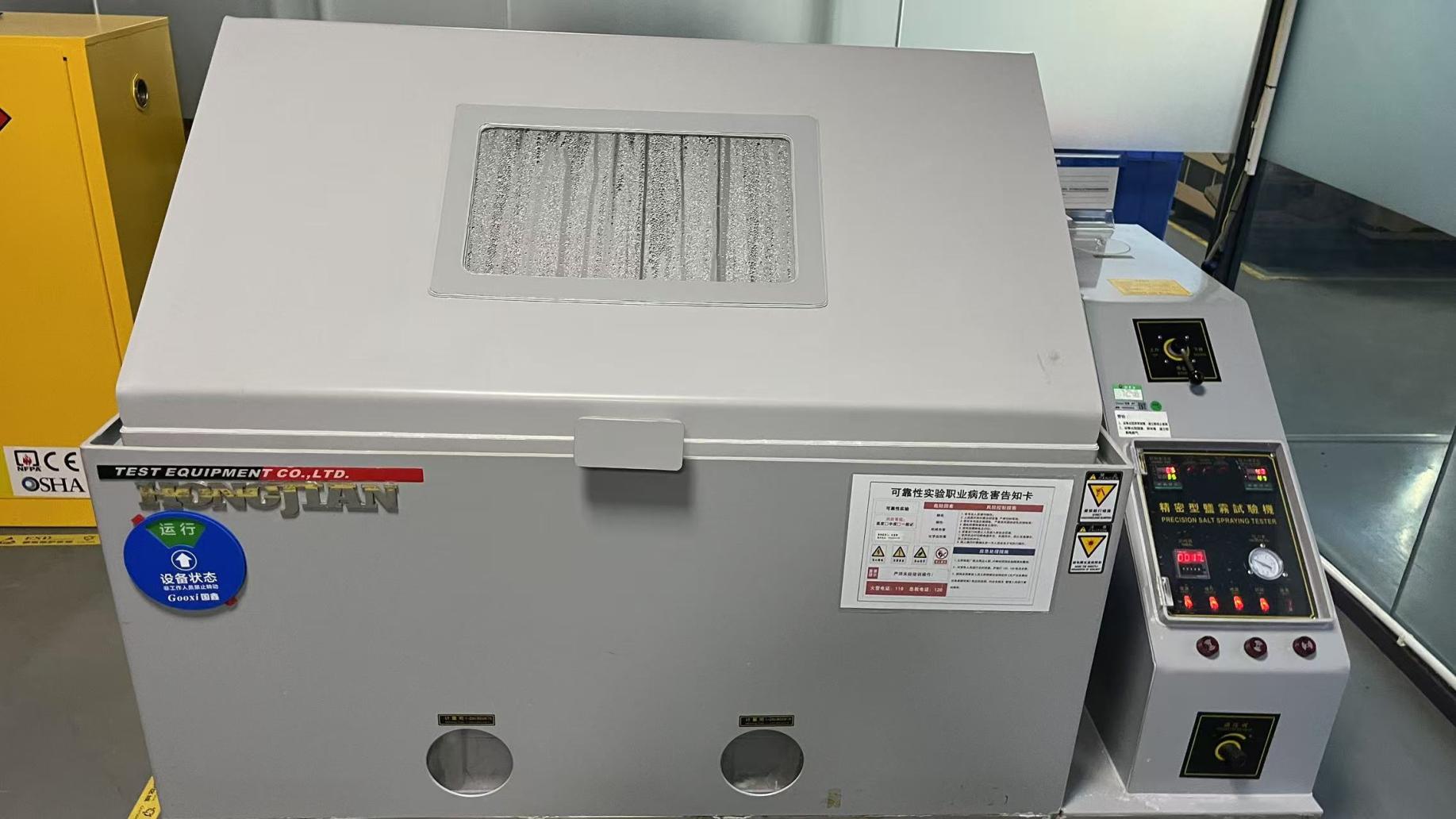
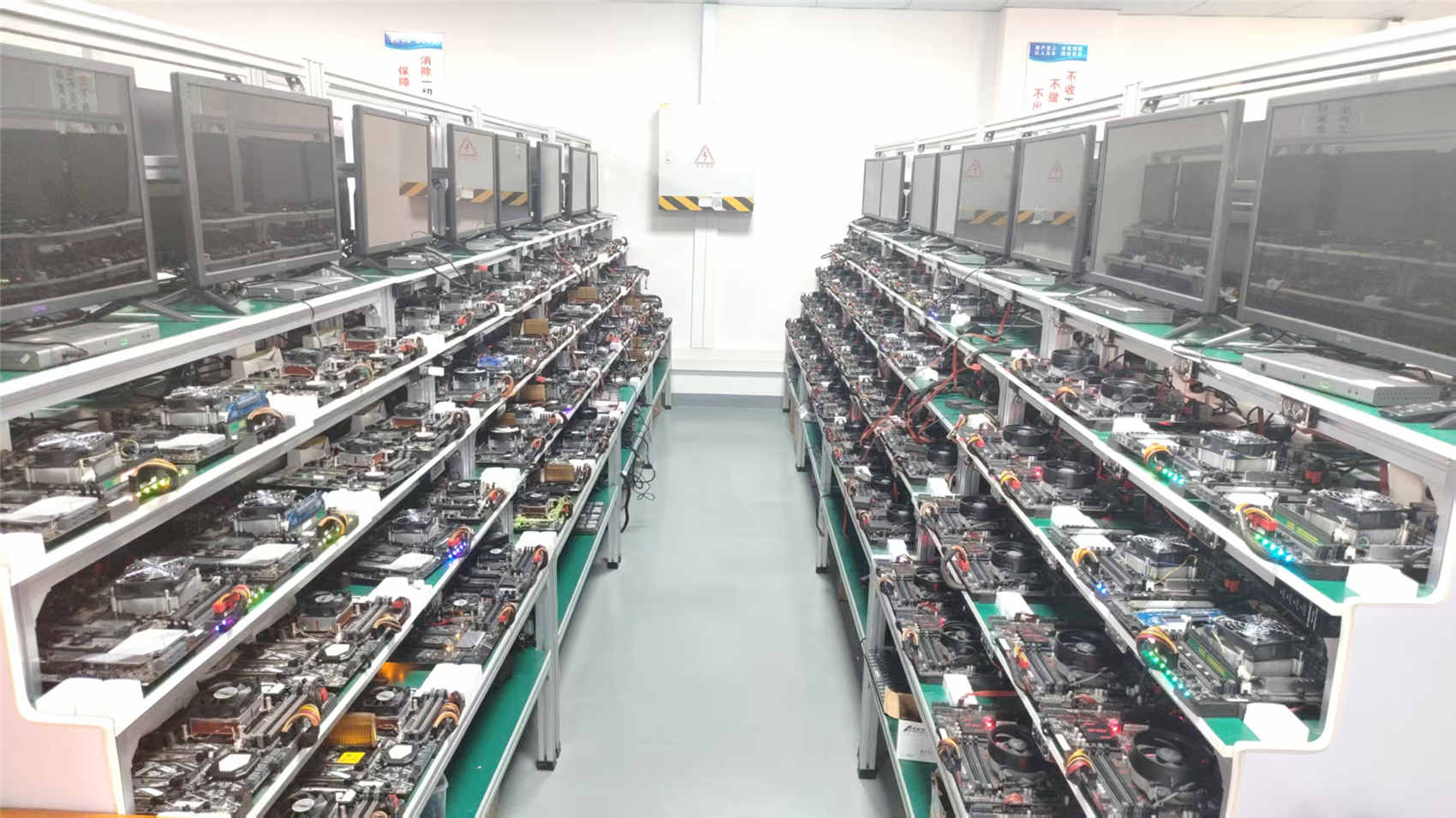
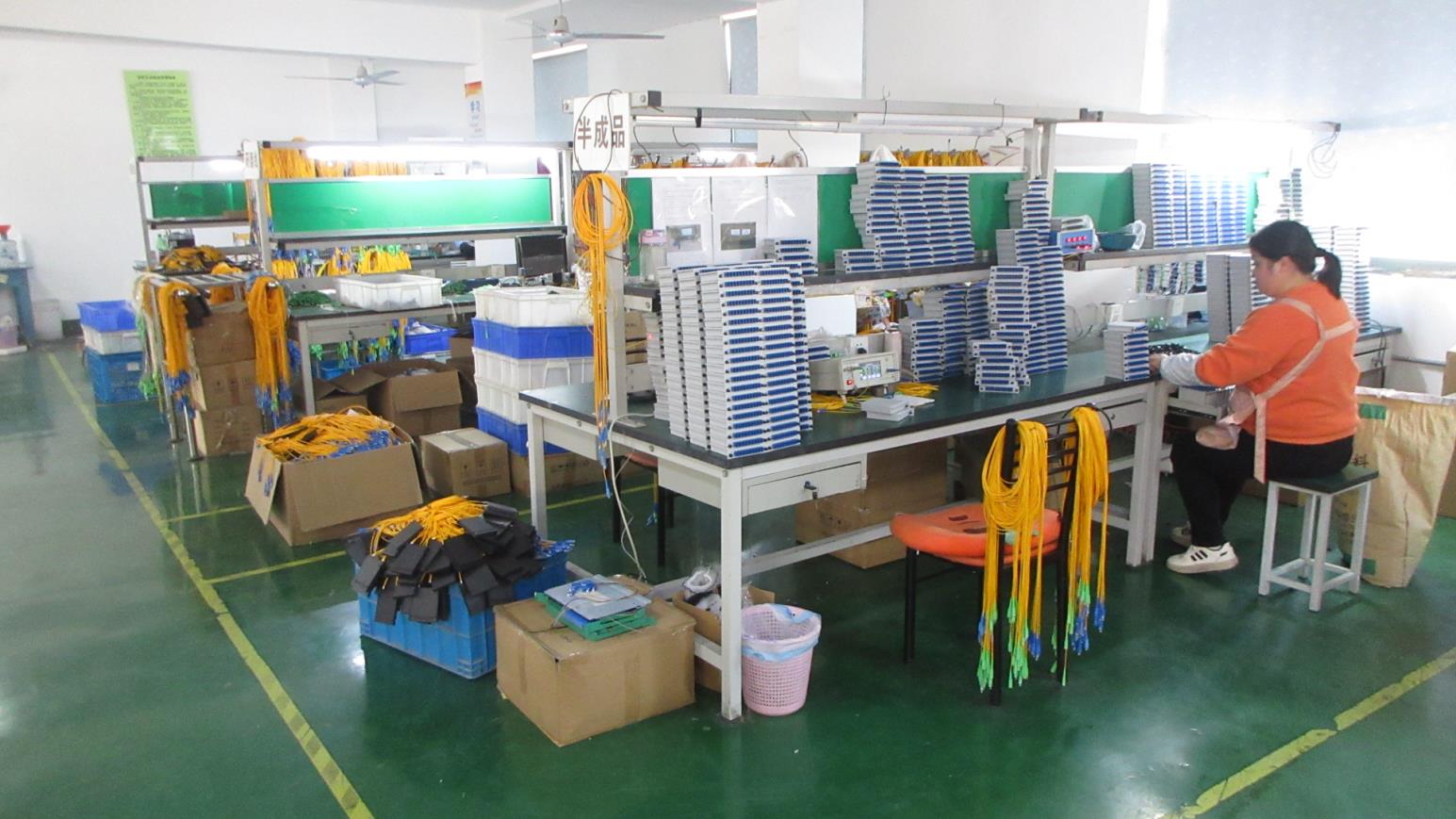
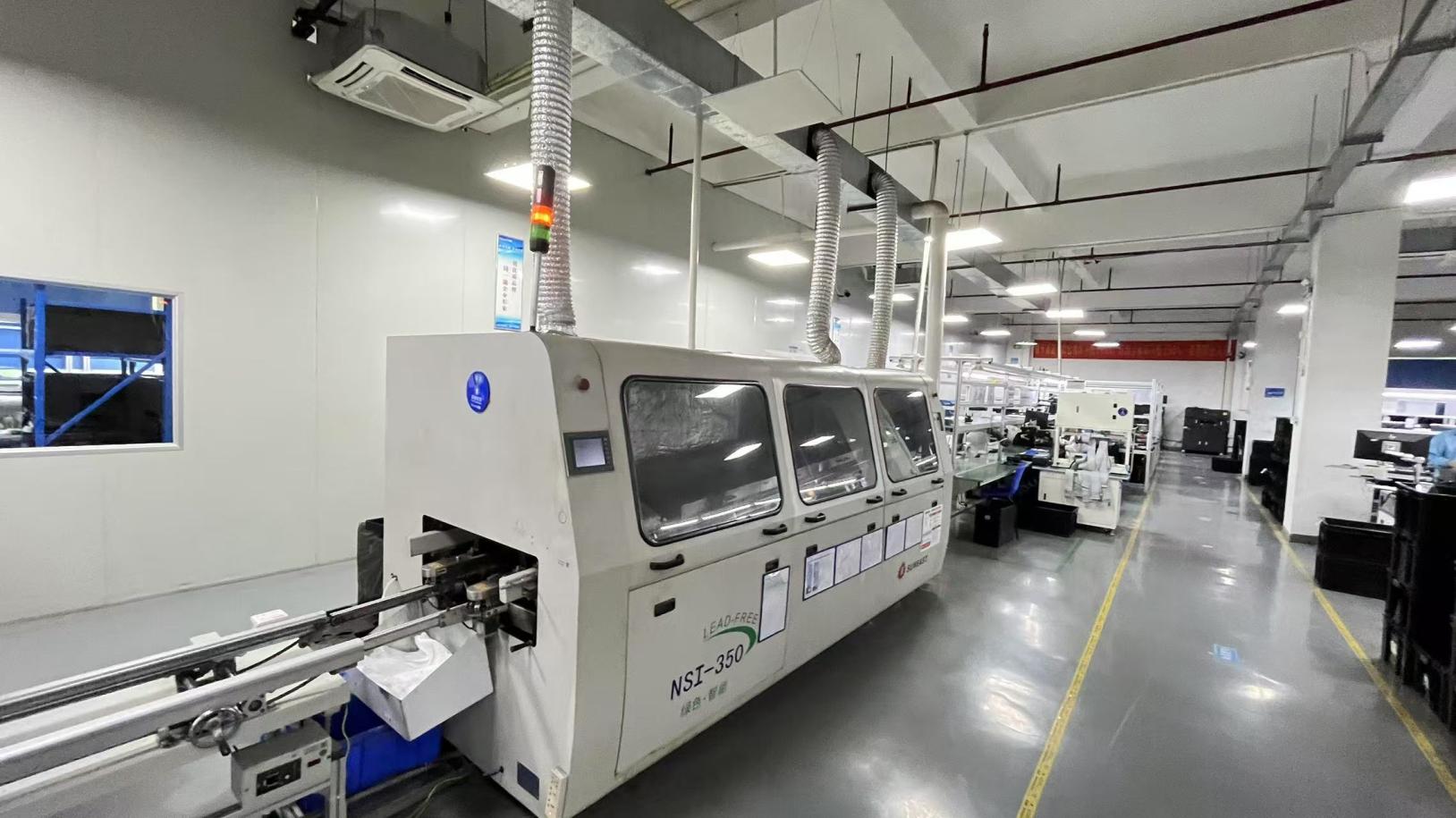
Our active collaboration with over 1,450 trusted supply chain partners guarantees continuous access to premium laser components (including Broadcom, Lumentum, and Macom chips) and high-quality printed circuit boards. With 240 R&D engineers driving innovation, FiberQ provides comprehensive OEM and ODM services. This enables us to customize wavelength plans, design unique enclosure shapes for enhanced cooling, and implement custom protocol programming, ensuring compatibility with legacy switches in the Brazilian telecom market.
To successfully integrate high-speed transceivers into Brazil's networks, engineers must plan around distinct regional challenges. Below are three primary scenarios where FiberQ's 25G/32G SFP28 portfolio delivers significant technical advantages:
Data center clusters in São Paulo rely on dense fibers to connect storage arrays across facilities. The transition to high-speed workloads requires 32G SFP28 Fibre Channel transceivers to prevent latency spikes. FiberQ’s 32GFC modules feature high-stability VCSEL transmitters and integrated Digital Diagnostics Monitoring (DDM), allowing network teams to remotely track optical parameters like laser temperature, bias current, and real-time optical power to avoid unexpected link failures.
For Brazil’s 5G rollout, telcos are installing Centralized Radio Access Networks (C-RAN). Connecting the Baseband Units (BBUs) to the Remote Radio Heads (RRHs) requires low-latency 25G links. Due to limited fiber resources in dense areas like Rio de Janeiro, 25G BiDi SFP28 (10km to 20km) transceivers are critical. FiberQ's 25G BiDi modules support dual-rate compatibility (10G/25G) and operate across extended temperature ranges, ensuring stability in outdoor telecom cabinets exposed to high humidity and heat.
In mid-sized towns across Minas Gerais and Paraná, regional ISPs need to boost backbone speeds without laying new fiber. By installing FiberQ's 25G CWDM/DWDM SFP28 transceivers, ISPs can multiplex up to 40 channels on a single fiber pair. This provides scalable 25Gbps pipelines over distances up to 30km or 40km, allowing regional networks to reliably stream high-bandwidth content to local subscribers.
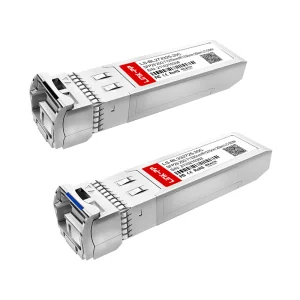
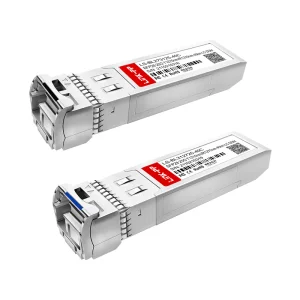
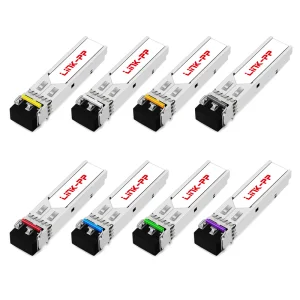
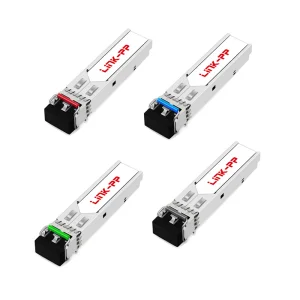
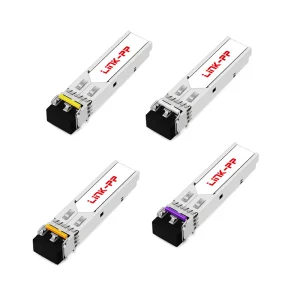
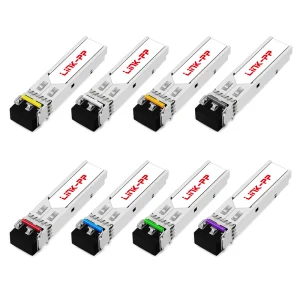
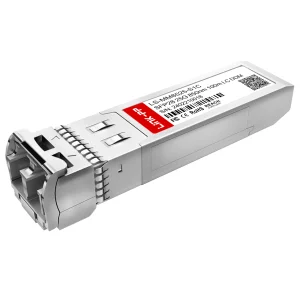
Explore our comprehensive lineup of single-mode, multi-mode, BiDi, and wavelength-multiplexed SFP28 transceivers. Custom compatibility programming included with every order.
Get authoritative insights regarding customs clearance, compatibility programming, and shipping timelines when sourcing optical transceivers from China.