FiberQ
FiberQ
FiberQ
High-performance connector cages engineered for the rigorous electromagnetic compatibility (EMC) and thermal requirements of Japan's telecommunications networks.
Japan is globally recognized for its advanced technological infrastructure, pioneered by high-speed fiber-to-the-home (FTTH) deployments and next-generation mobile broadband rollouts. In the era of artificial intelligence (AI), edge computing, and massive IoT deployment, the demand for optical communication hardware has shifted dramatically. Metro areas such as Tokyo, Osaka, and Kanagawa are witnessing unprecedented hyperscale data center expansions. According to industry analyses, hyperscale deployments in Japan are moving from standard 100G networks towards 400G and 800G optical architectures.
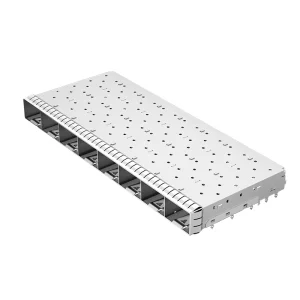
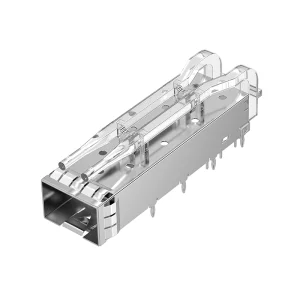
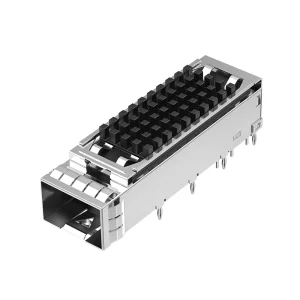
This massive digital transformation requires interconnect solutions that offer maximum port density, thermal stability, and rigorous electromagnetic compatibility (EMC). Key Japanese telecom operators, including NTT Group, KDDI, SoftBank, and Rakuten Mobile, along with leading domestic network equipment vendors, are designing architectures that demand ultra-compact ganged and stacked I/O configurations. Among these, the 1xN (Ganged Ports) SFP and SFP+ cage assemblies serve as vital system backbones, routing signals directly to network switches, enterprise routers, and remote radio units (RRUs).
As Japanese companies prioritize long-term reliability and zero-defect quality standards, global components suppliers must display high technical competence, solid verification protocols, and transparent supply chain practices. FiberQ Photonics meets these demands, offering an exceptional blend of modern manufacturing footprints, intensive testing regimens, and direct OEM/ODM customization capability to support Japan's evolving hardware ecosystems.
Quantified engineering strength and global manufacturing scale designed for premium technology partnerships.
For high-frequency optical applications, the cage assembly acts as a crucial mechanical interface and electrical shield. In a 1xN ganged layout (typically 1x2, 1x4, 1x6, or 1x8 ports), multiple transceivers are positioned side-by-side. While this maximizes spatial efficiency along the system board's I/O bracket, it introduces significant electromagnetic and thermal hurdles.
At signal rates of 10 Gbps (SFP+), 28 Gbps (SFP28), and beyond, electromagnetic emissions can escape through micro-gaps between the SFP cage and the chassis bezel. To prevent EMI leakage and comply with VCCI and FCC Class B requirements, our 1xN ganged ports implement advanced shielding features:
The choice between Press-Fit and Through-Hole Technology (THT) is critical for system designers. Press-fit cages feature compliant pins (e.g., eye-of-the-needle design) that allow solderless connection to the PCB. This simplifies assembly, eliminates thermal stresses associated with wave soldering, and enables easier rework. In contrast, THT solder cages are preferred in high-vibration applications, such as industrial computing or rail signaling equipment in Japan, where mechanical joints must withstand constant mechanical stress.
Engineered for thermal performance, mechanical robustness, and reliable signal integrity.
As the optical transceiver modules transition from standard SFP+ (approx. 1W to 1.5W per port) to SFP28/SFP56, and higher form-factors such as QSFP28/QSFP56 (up to 5W per port), dissipation of localized thermal load becomes critical. In a 1xN ganged configuration, individual ports are closely packed, compounding thermal accumulation.
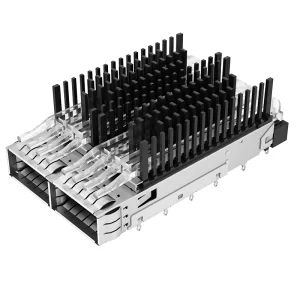
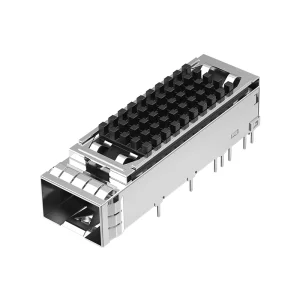
Without adequate heat removal, optical lasers (DFB or VCSEL) undergo wavelength drift, increased optical noise, and premature failure. To prevent this, FiberQ Photonics offers integrated heatsink assemblies that ride directly on top of the transceivers. Using high-conductivity aluminum or copper-embedded clip assemblies, the thermal energy is drawn away from the optical components and transferred to the surrounding chassis airflow.
Our thermal simulation lab uses advanced CFD (Computational Fluid Dynamics) tools to analyze localized airflow in different chassis orientations. Whether your system designs feature front-to-back, back-to-front, or side-to-side airflow schemes, we can customize the fin orientation, spacing, and height of the riding heatsinks. This custom engineering is a major reason why leading Japanese networking systems and appliance manufacturers partner with FiberQ for OEM/ODM hardware design.
Japanese procurement departments operate under strict risk management paradigms, often employing dual-sourcing strategies and requiring deep supply-chain visibility. Standard components like SFP cages cannot suffer delivery bottlenecks without risking downstream system-level production halts.
FiberQ Photonics has developed an agile supply network, collaborating with 1,450 verified raw material and components partners. This ensures that even during global copper or plastic shortages, our production facility maintains sufficient reserves of raw materials, contact pins, and shielding metal. We implement a rigorous quality inspection protocol led by our 62-person Quality Control team, who check raw materials, stamp tolerances, and verify plating thickness before mass-production begins.
By shipping directly from our facility via established logistics routes to major Japanese ports (Tokyo, Yokohama, Kobe) and international hubs (Narita, Kansai), we provide predictable lead times. We offer flexible delivery programs, including safety stock warehousing, to assist our Japanese distribution and integration partners with just-in-time delivery requirements.
The optical networking industry is quickly moving past NRZ modulation, standardizing on PAM4 (Pulse Amplitude Modulation 4-Level) to double bandwidth without doubling optical frequency. At rates like 112 Gbps per lane, traditional I/O cages must handle increased high-frequency signals while preserving signal integrity (low insertion loss and minimal crosstalk).
FiberQ's R&D roadmap focuses on high-frequency structural optimizations. By utilizing lower dielectric materials in the connector inserts and optimizing the trace patterns of the press-fit pins on the host board, we have minimized reflection and crosstalk up to 40 GHz. We are also expanding our product line to include next-generation Double Density (SFP-DD and QSFP-DD) 1xN ganged configurations. These next-gen cages feature a dual-row contact design that supports double the channel count in the same faceplate footprint, facilitating a smooth transition to higher densities.
Explore our full line of compatible, drop-in replacement solutions for telecom and industrial networking gear.
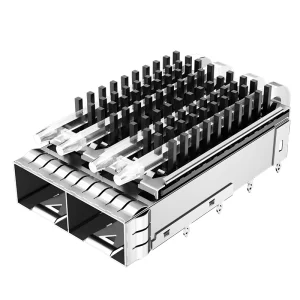
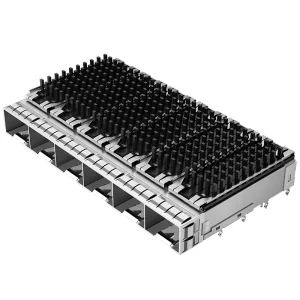
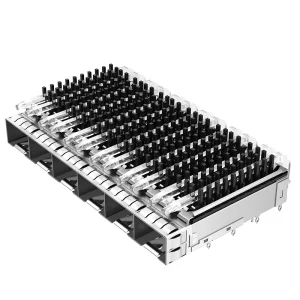
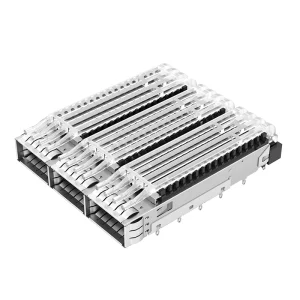
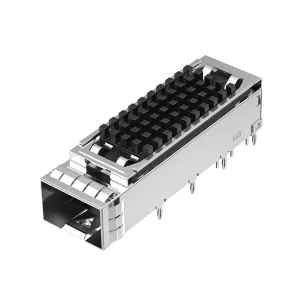
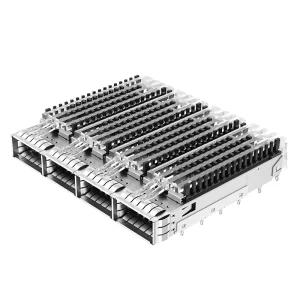
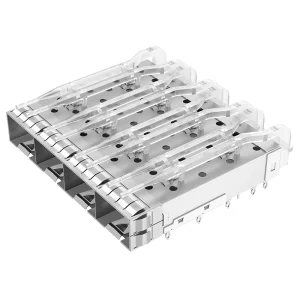
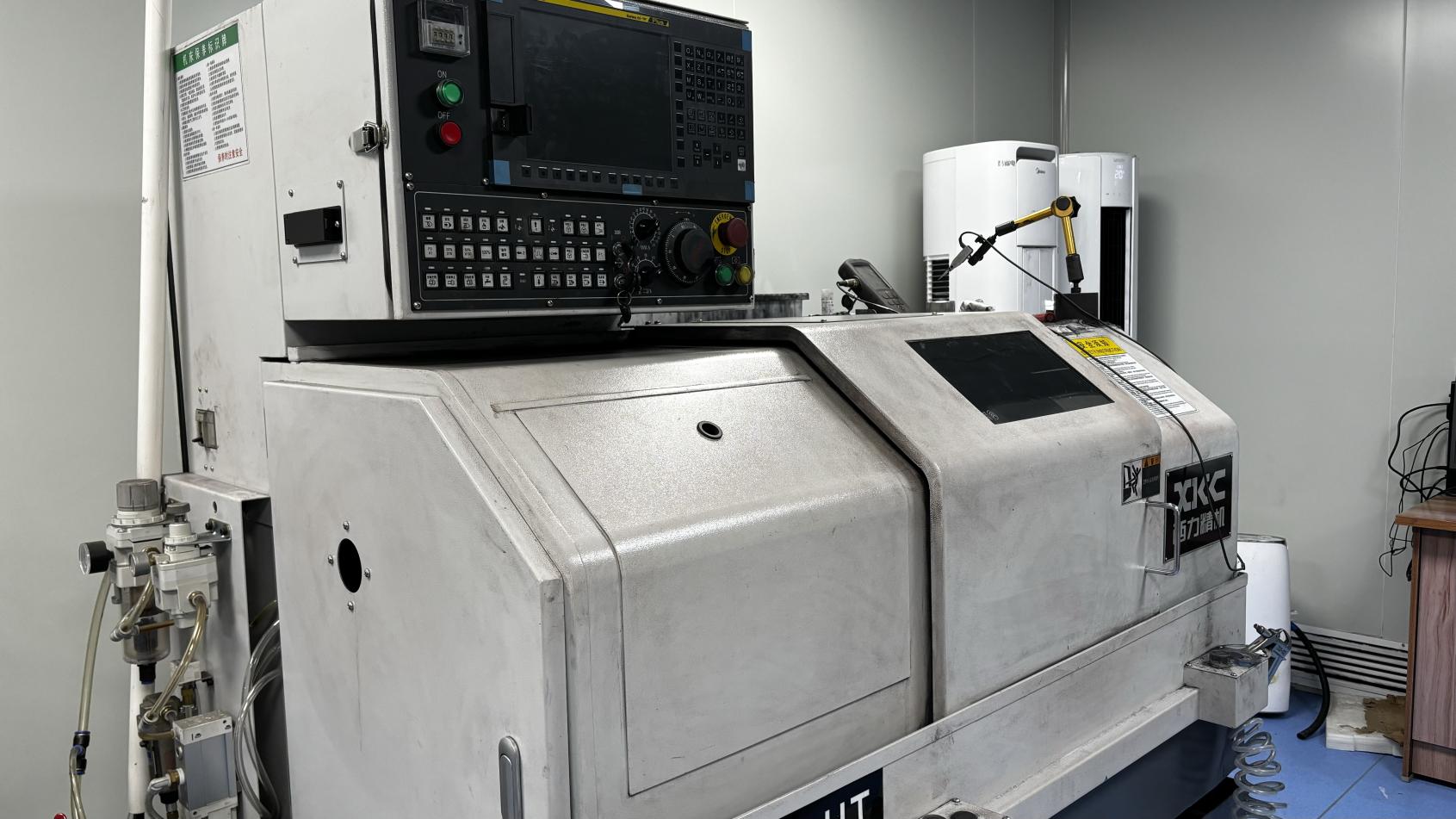
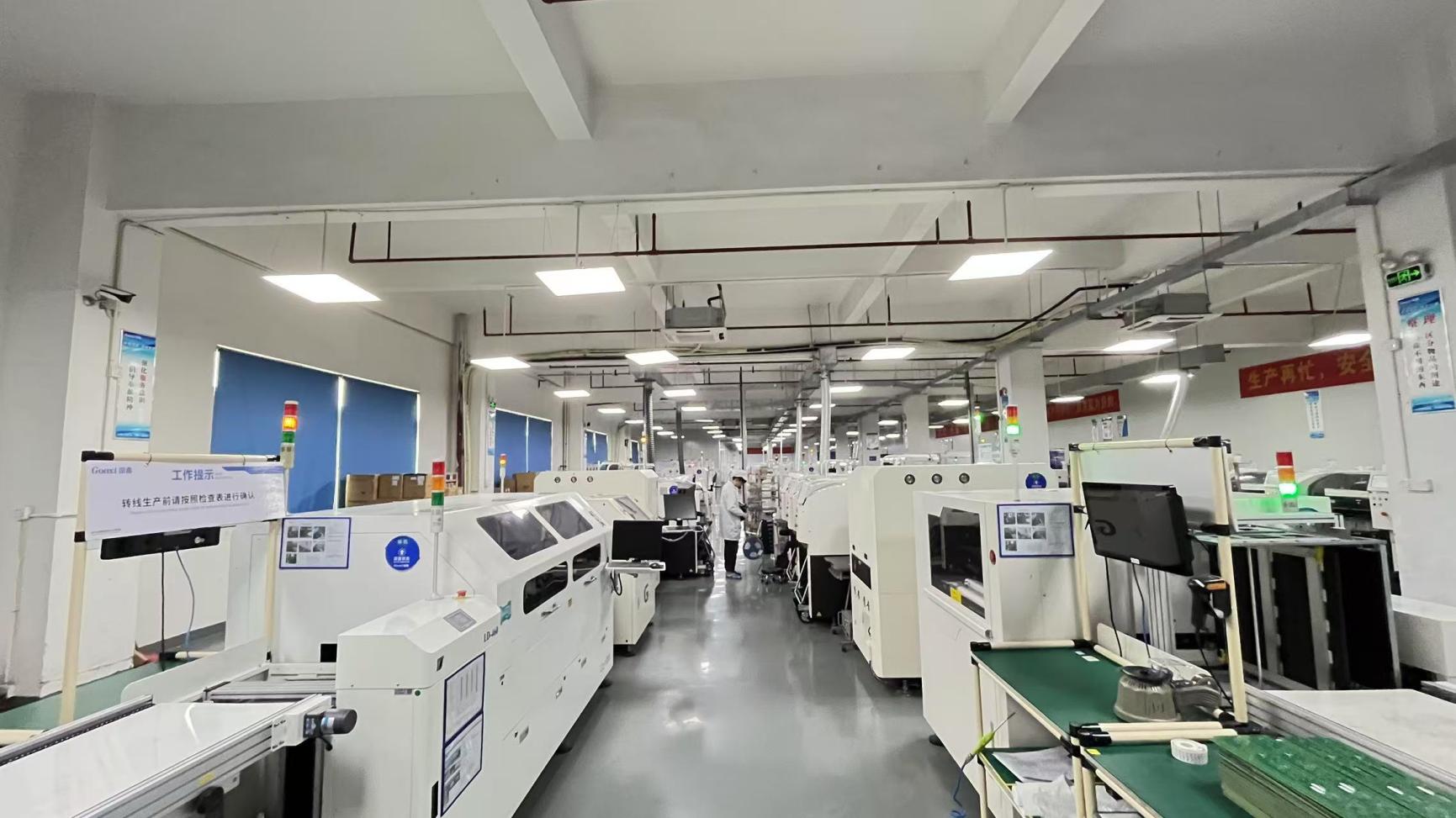
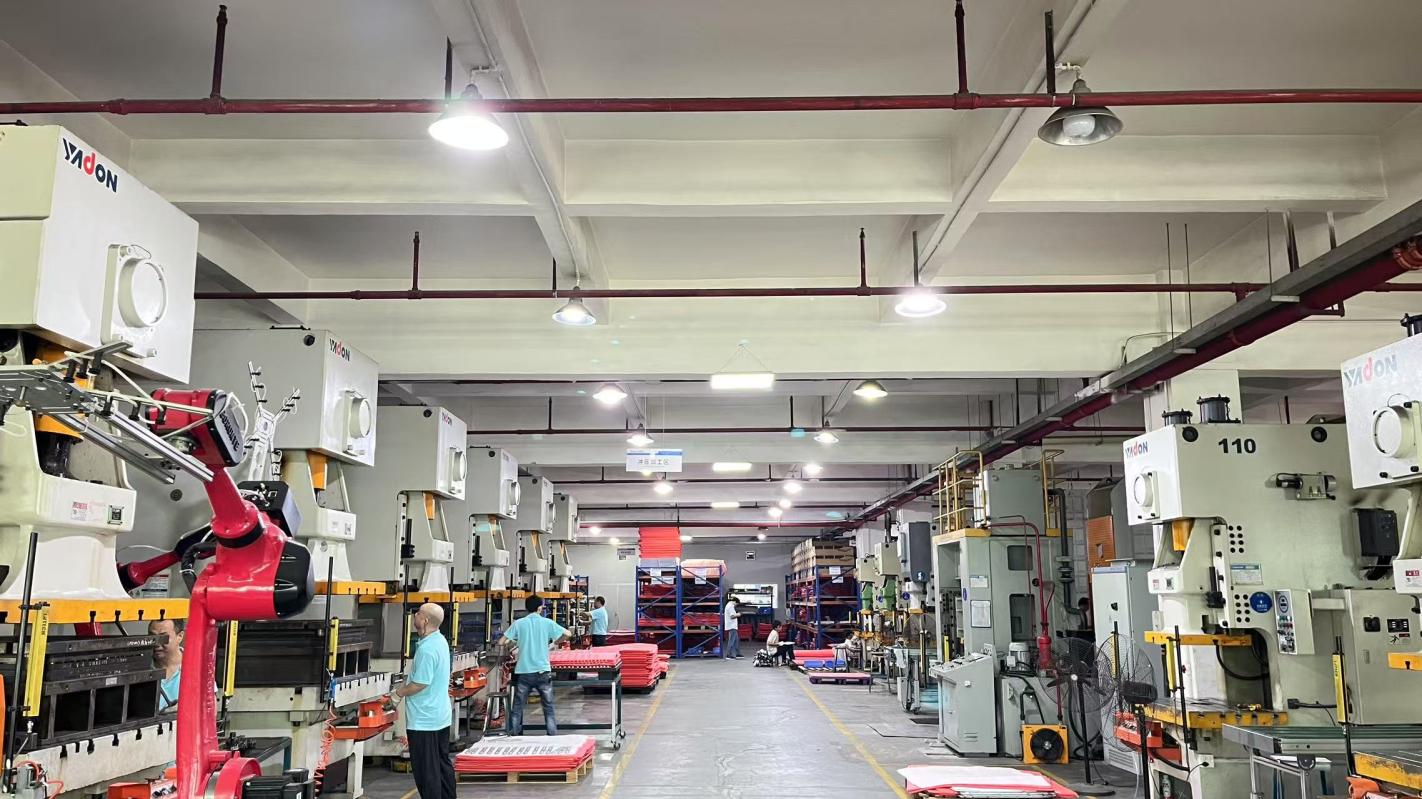
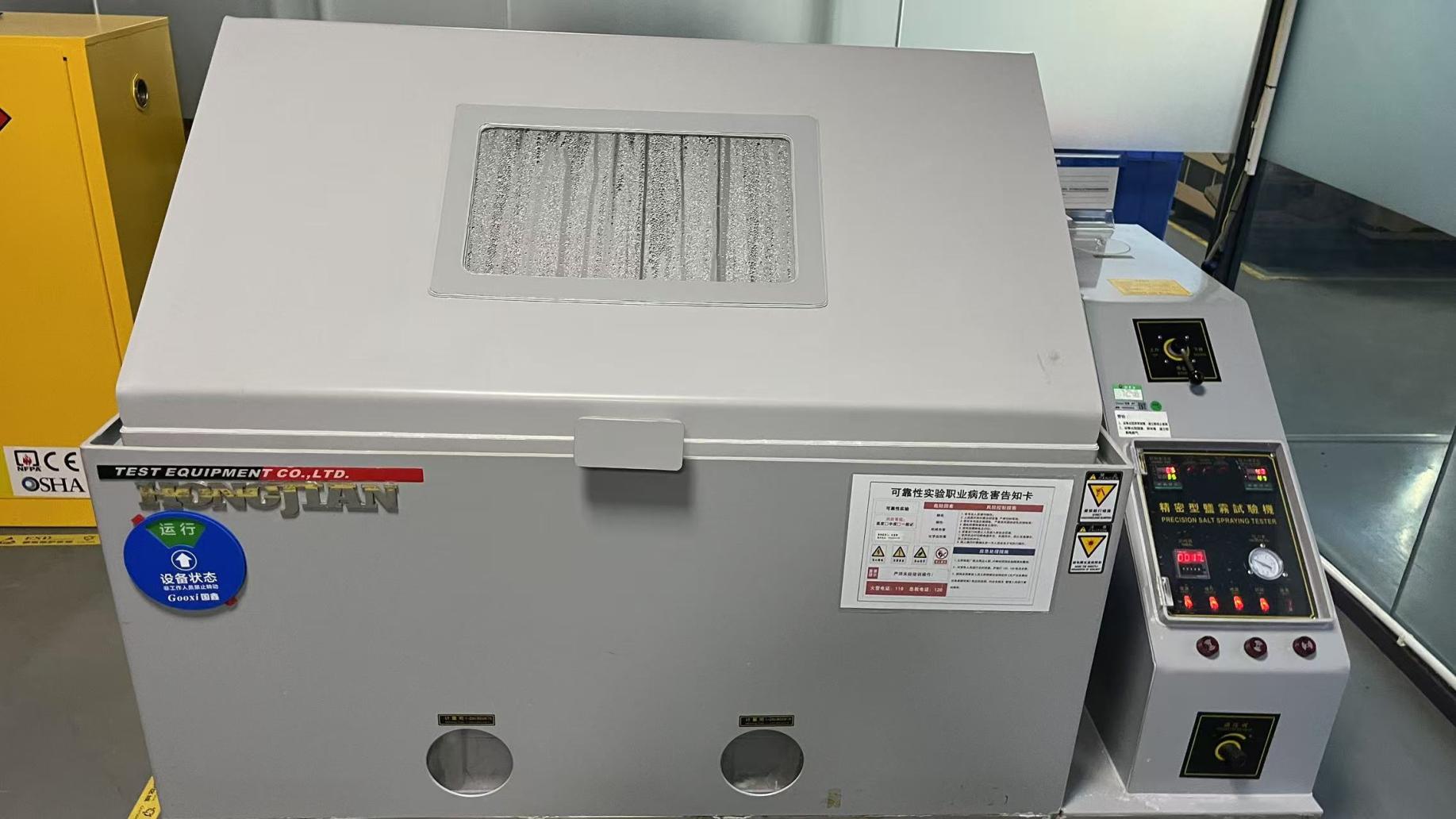
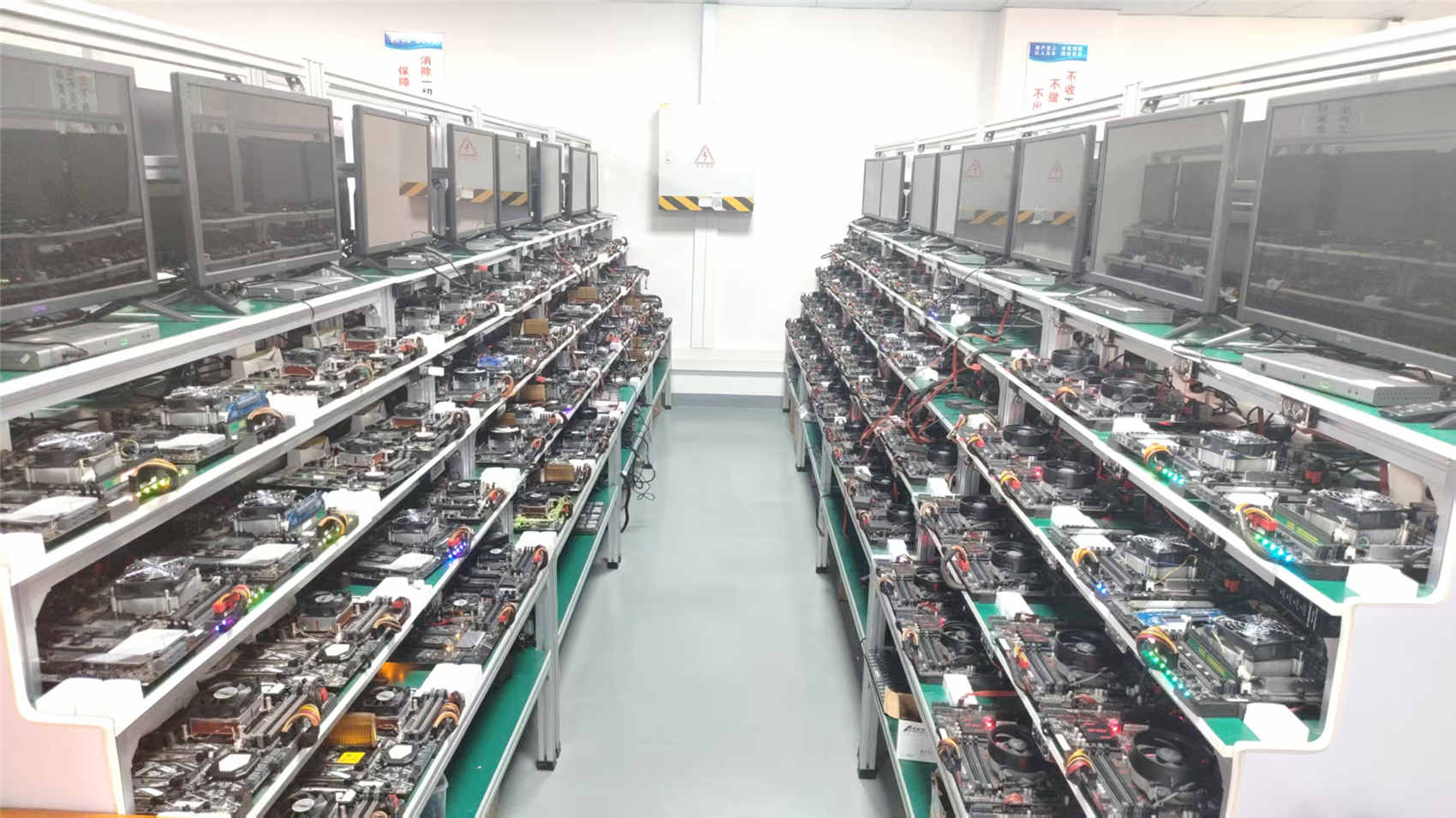
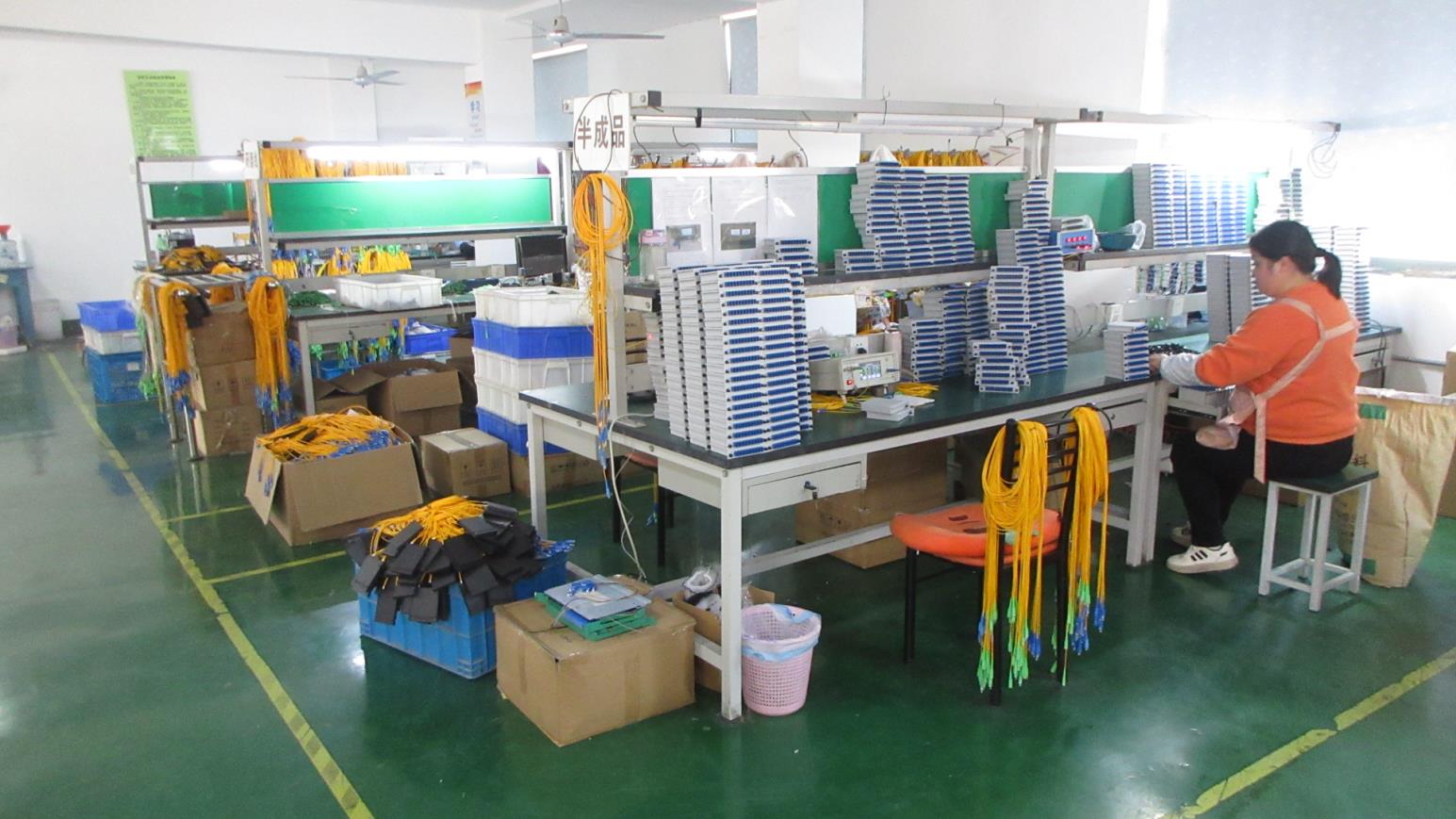
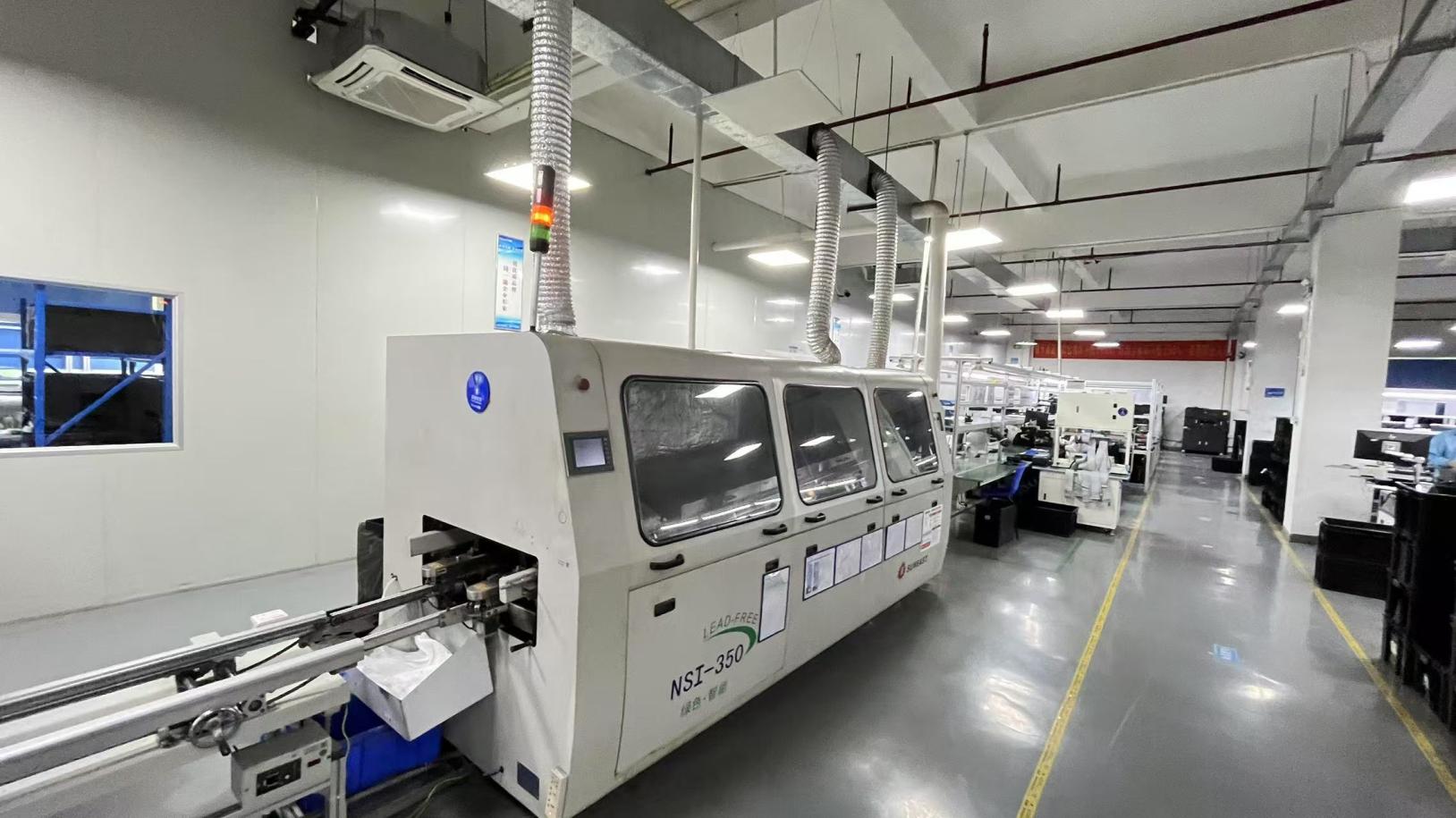
Explore the manufacturing floor where our specialized R&D and QC teams design, assemble, and validate high-density hardware.
Answering key performance and compliance questions from Japanese network system engineers and hardware designers.