FiberQ
FiberQ
FiberQ
Highly optimized configurations for immediate deployment in Kuala Lumpur and Cyberjaya data center networks.
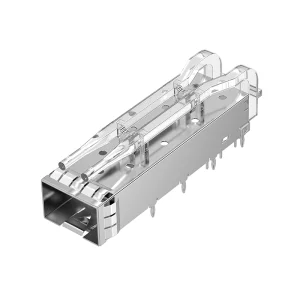
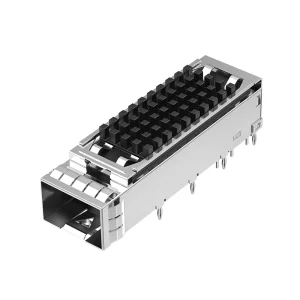
Malaysia is rapidly emerging as the premier hub for hyperscale data centers and high-speed telecommunication networks within Southeast Asia. Backed by government initiatives like the MyDIGITAL blueprint and the robust rollout of national 5G networks, major global technology players are establishing massive infrastructure footprints across key economic zones, notably in Cyberjaya, Kuala Lumpur, and the Sedenak Tech Park in Johor. This unprecedented computing expansion demands advanced, high-density physical layer connectivity components capable of supporting extreme data throughput while maintaining exceptional signal integrity and low latency.
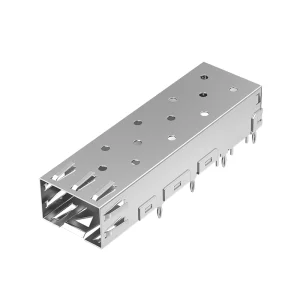
A key bottleneck in high-density network switches, routers, and host bus adapters (HBAs) is the interface between the high-speed transceiver and the printed circuit board (PCB). 1xN (Ganged Ports) SFP cage systems serve as the structural and electromagnetic shield foundation for these high-speed interfaces. By grouping multiple ports into a single, unified metal housing footprint, ganged cages enable maximum density, save critical PCB real estate, and provide a standardized environment for SFP, SFP+, and SFP28 transceivers. As a leading manufacturer, FiberQ Photonics Technology Co., Ltd. provides robust 1xN options designed to thrive within the demanding electrical and thermal envelopes of tropical ASEAN data centers.
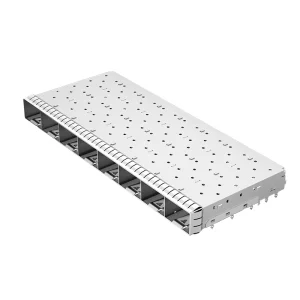
Designing and manufacturing 1xN ganged ports requires a profound understanding of microwave electromagnetics, structural mechanics, and material science. Unlike single-port cages, ganged cages (ranging from 1x2, 1x4, 1x6, to 1x8 arrays) integrate partition walls that must serve as physical support structures and reliable electrical barriers between adjacent high-speed channels. FiberQ’s cages are built to conform precisely to the SFF-8432 specifications, ensuring compatibility with all standard MSA-compliant transceivers.
In high-speed communication systems operating at 10 Gbps (SFP+) up to 28 Gbps (SFP28) per channel, EMI is a critical point of failure. At these high frequencies, even sub-millimeter apertures can radiate electromagnetic waves, causing system-level compliance failures. FiberQ’s cages utilize advanced, multi-point elastomeric gaskets or spring-finger designs constructed from high-performance copper alloys. These features ensure continuous electrical contact with the system bezel and ground plane, establishing a Faraday cage effect that isolates the internal electronics from the external environment.
To meet the diverse PCB assembly requirements of Malaysian electronics contract manufacturers (EMS), our 1xN ganged cages are offered in two primary mounting variants:
Engineered to support extreme thermal load and high port density applications across Southeast Asia.
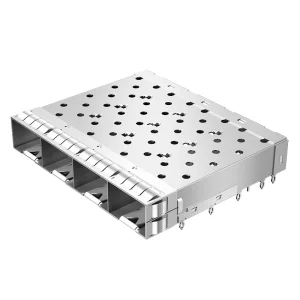
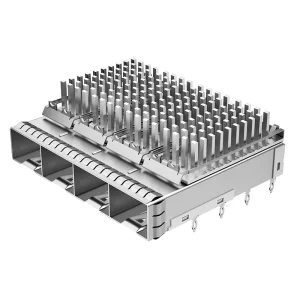
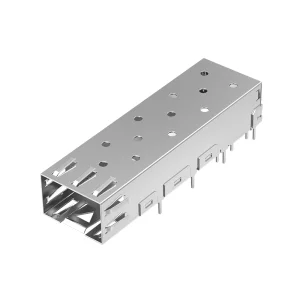
Operating high-speed network switches in tropical regions like Malaysia poses a unique environmental challenge: high ambient temperatures and high relative humidity. Hyperscale servers running optical transceivers operate near their upper thermal thresholds. Excessive heat within an SFP transceiver reduces laser efficiency, degrades optical signal quality, and accelerates component failure.
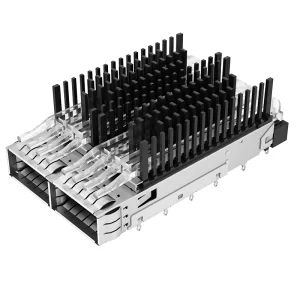
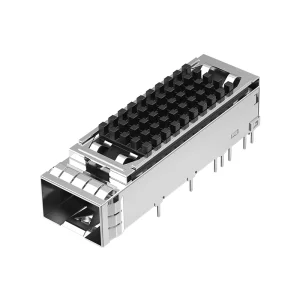
To address this, FiberQ's 1xN ganged SFP cages feature integrated thermal management solutions. By utilizing optimized cutouts on the top plate of the metal cages, we facilitate direct contact between the optical transceiver and a variety of custom-engineered heatsinks (such as pin-fin, fin, or custom-height aluminum/copper designs). This direct thermal interface significantly reduces the thermal resistance (Rth) path, enabling the chassis's system airflow to effectively carry heat away from the sensitive optical modules.
In high-density server rack environments, immediate visual diagnostics are critical for field maintenance teams. Our ganged SFP cages integrate light pipes (optical fiber guides made of high-transmittance polycarbonate materials) that route status LEDs from the host PCB directly to the front bezel of the port. This design offers a dual advantage: it allows for real-time channel activity tracking while preserving the structural integrity of the front EMI shielding structure.
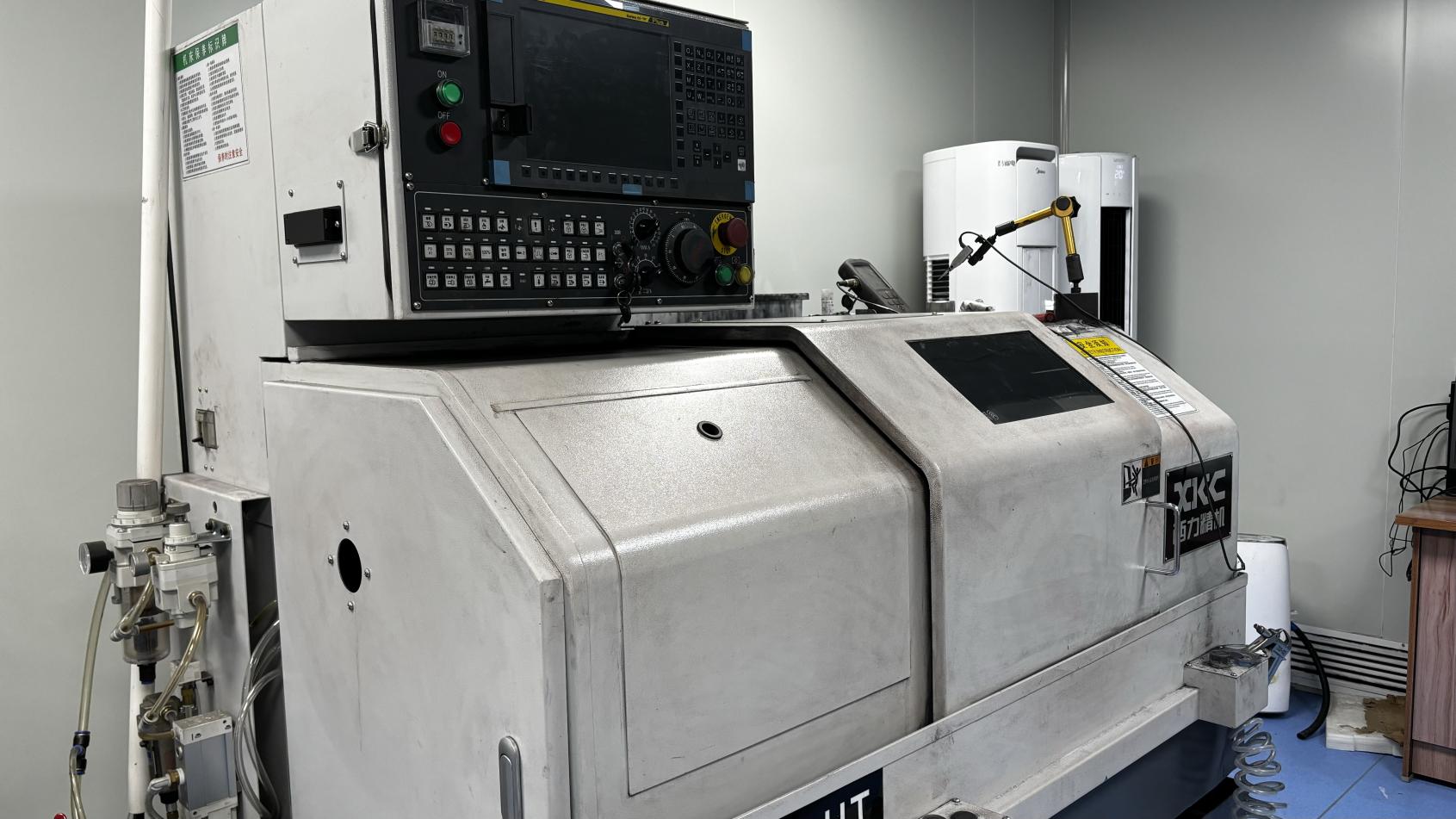
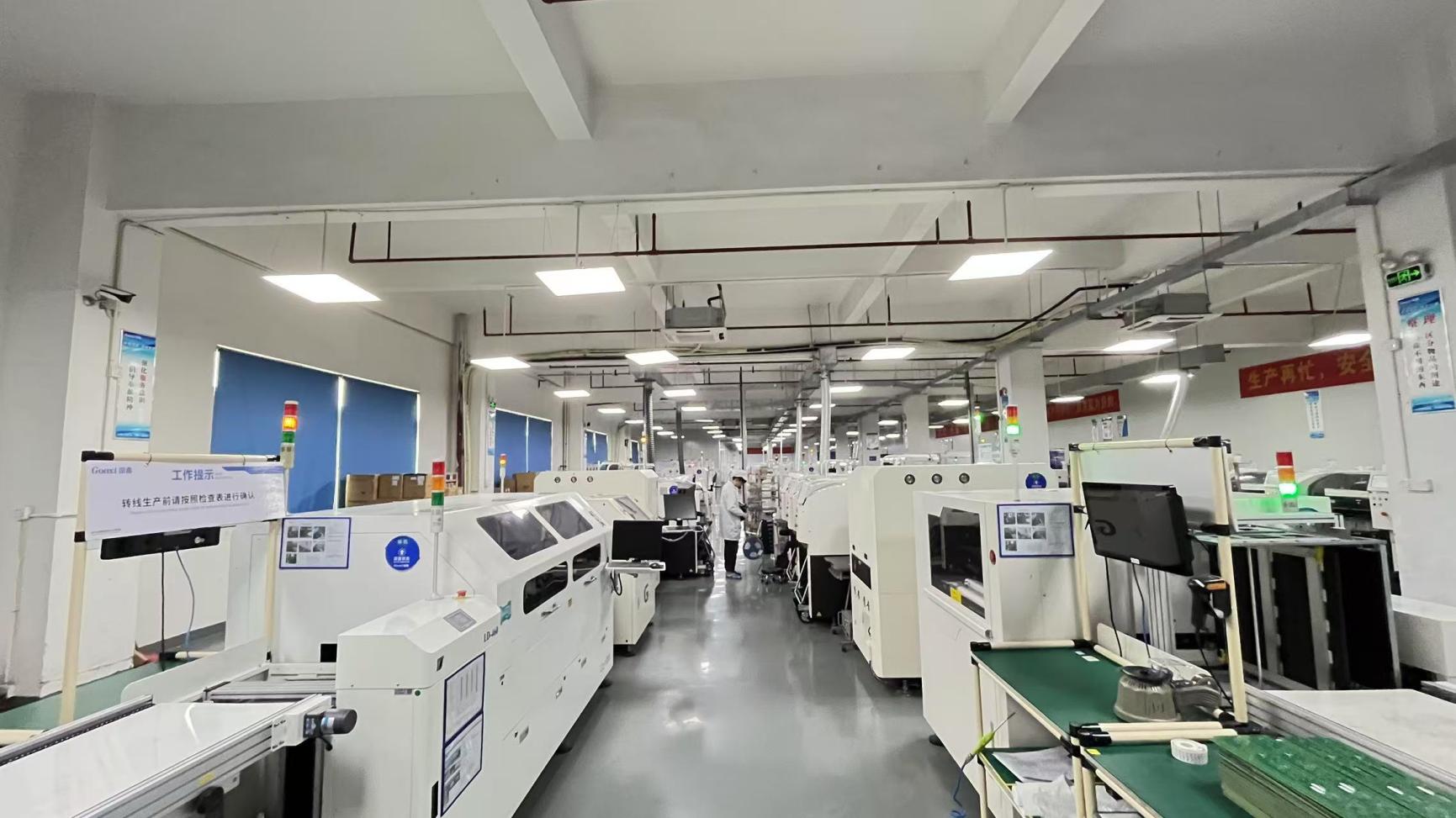
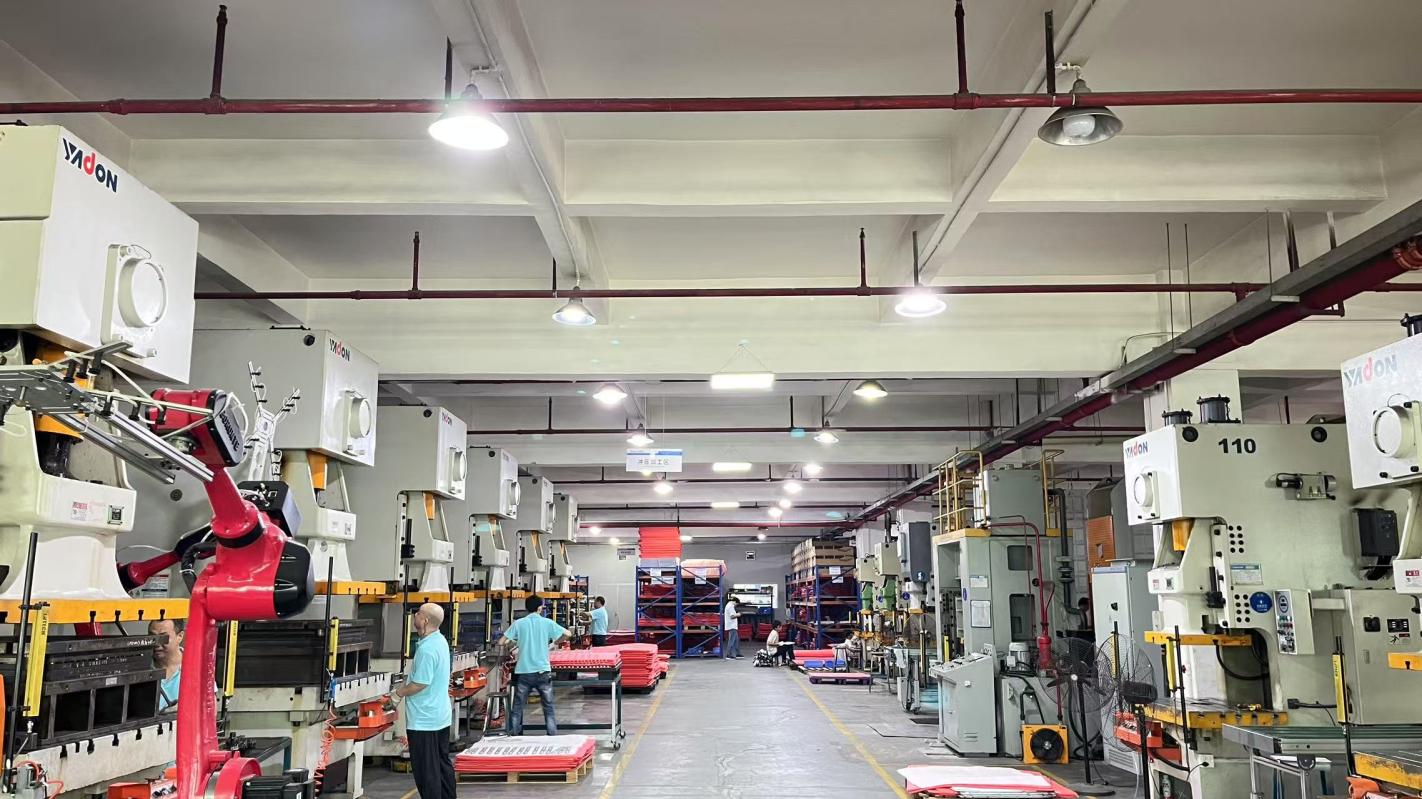
Founded in 2015, FiberQ Photonics Technology Co., Ltd. has developed into a trusted global manufacturer specializing in high-performance optical transceivers and mechanical interconnect components. Operating a state-of-the-art 12,600㎡ production facility, FiberQ combines high-capacity manufacturing lines with highly rigorous testing procedures to supply high-reliability products to international markets.
Our commitment to reliable quality is sustained by our dedicated quality assurance team, consisting of 62 experienced inspectors. Every production run undergoes automated optical performance testing, 3D interferometric inspection of connectors, and high-temperature aging chambers to simulate years of service life under maximum electrical load. Backed by a strong R&D team of 240 engineers, FiberQ supports extensive customization, including multi-protocol compatibility (100G/200G/400G/800G), wavelength optimization, and structural adaptations for specific client needs. Last year alone, FiberQ introduced approximately 180 new products, demonstrating our alignment with shifting industry trends.
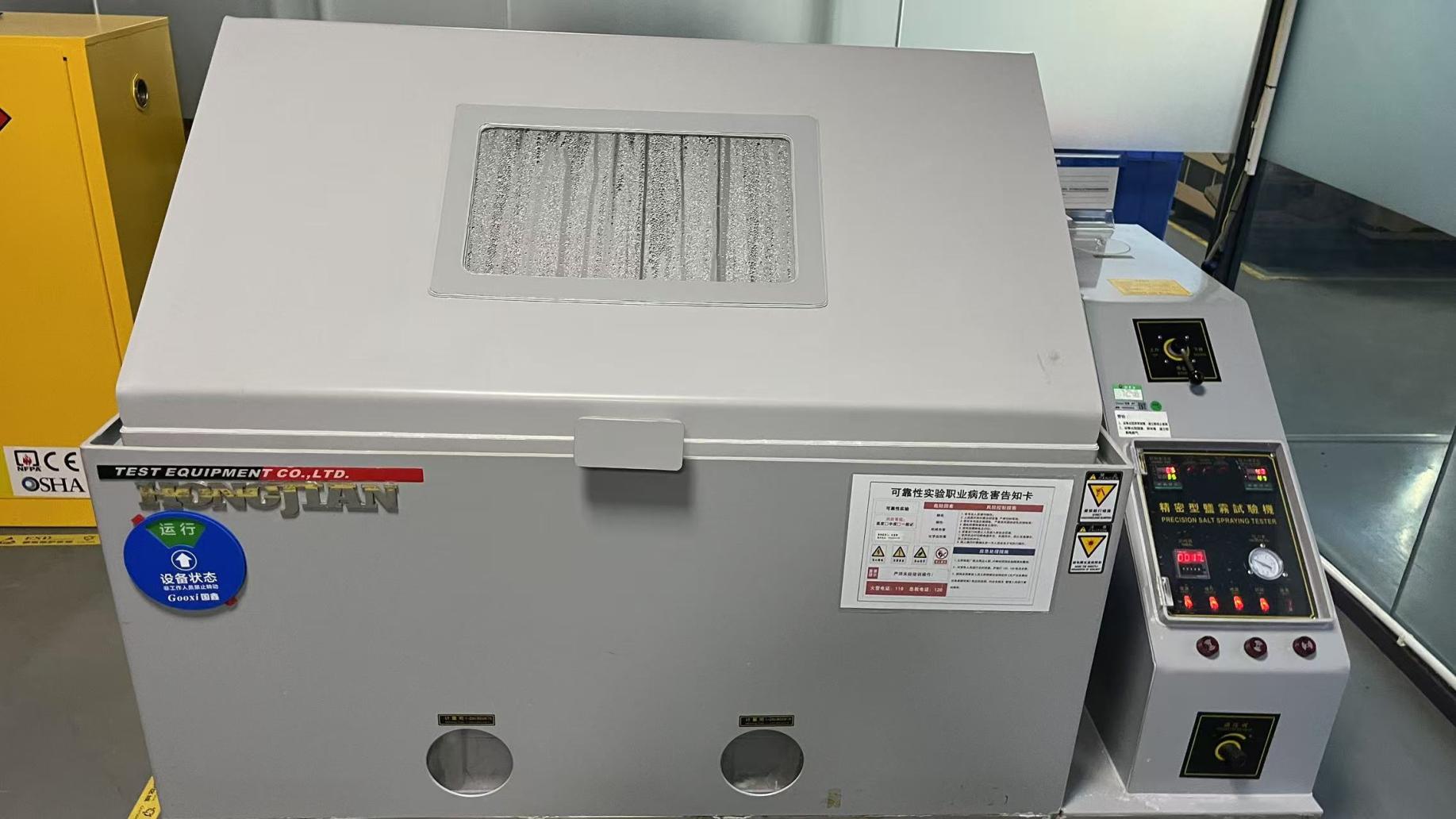
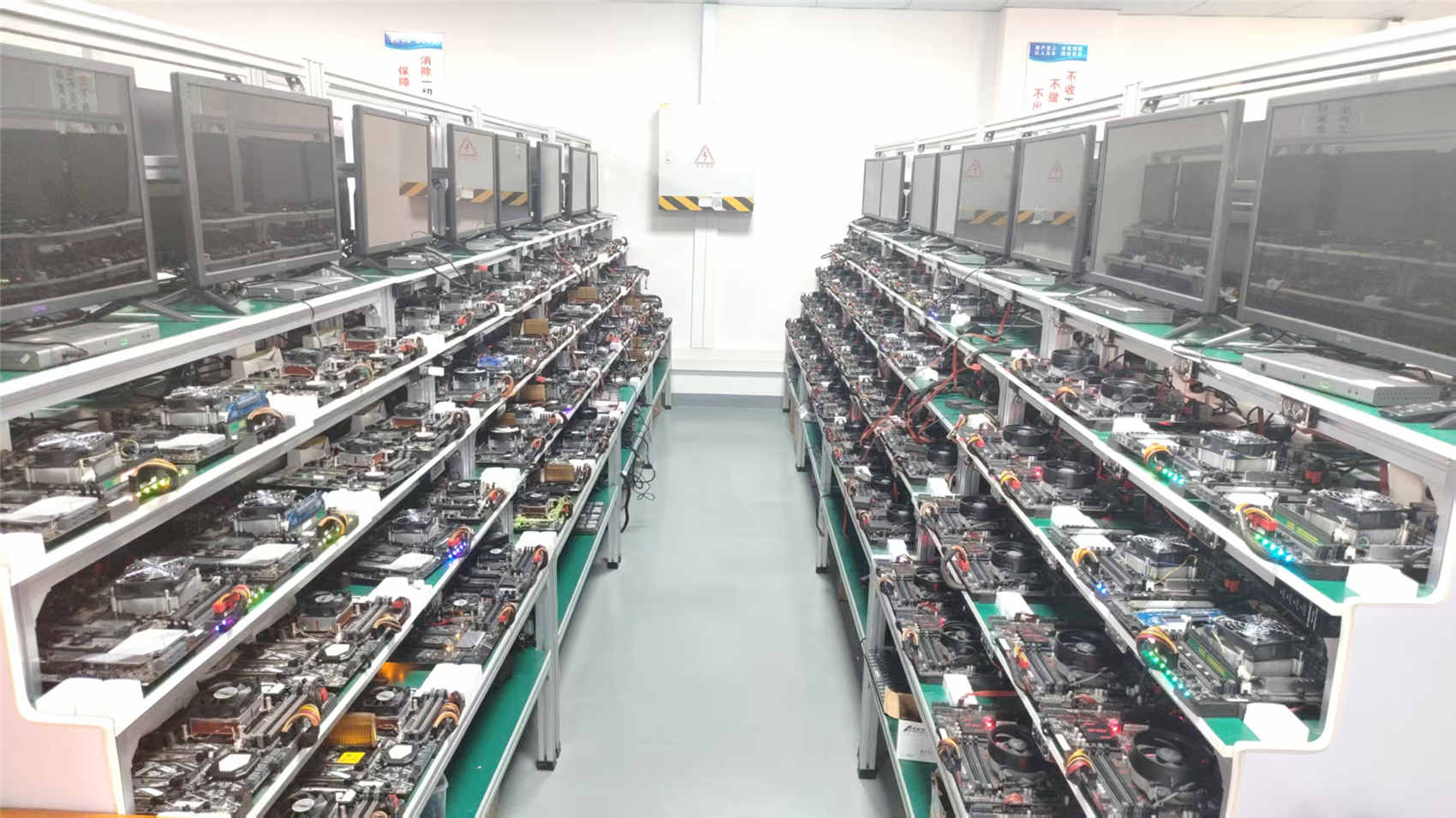
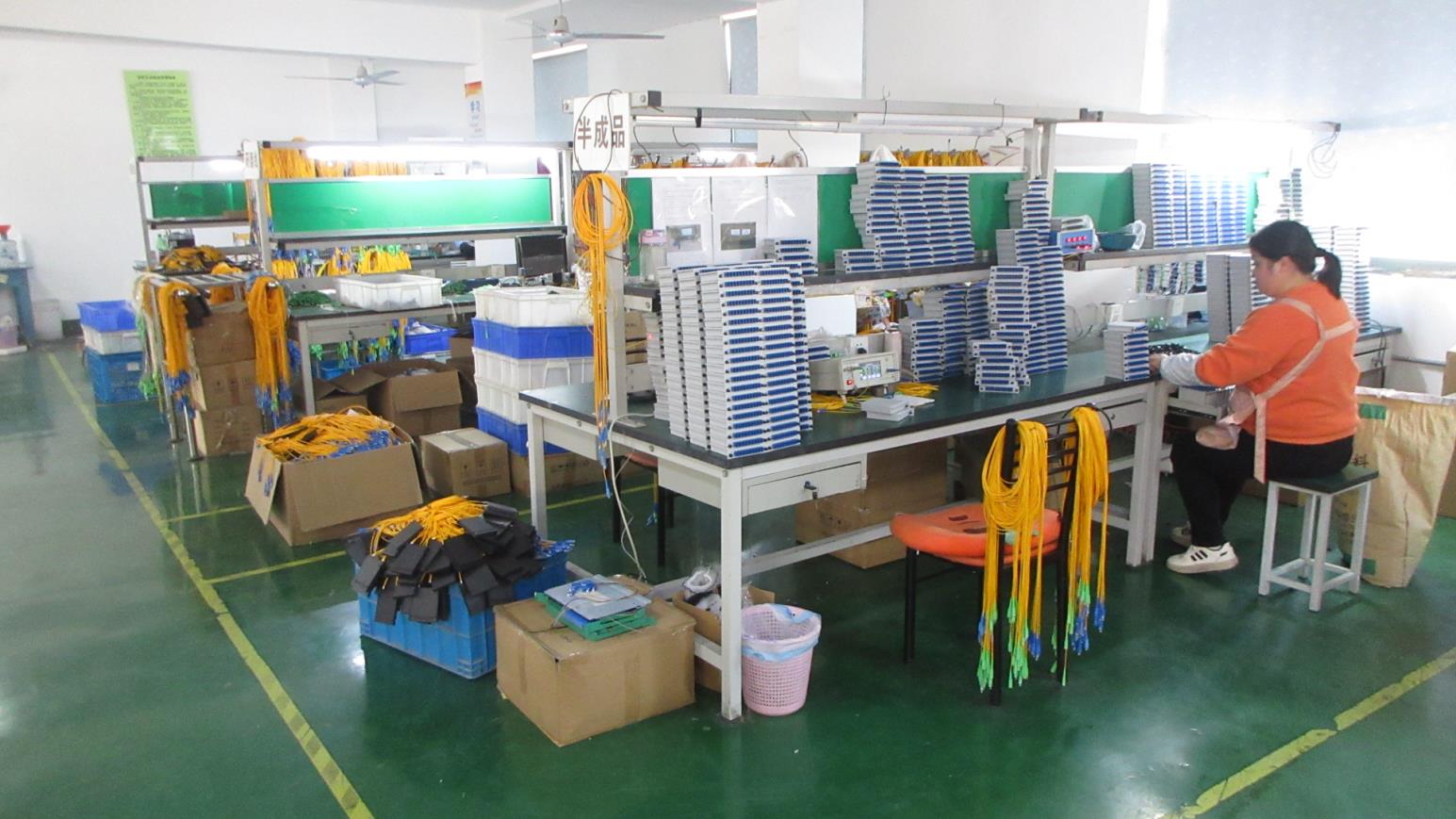
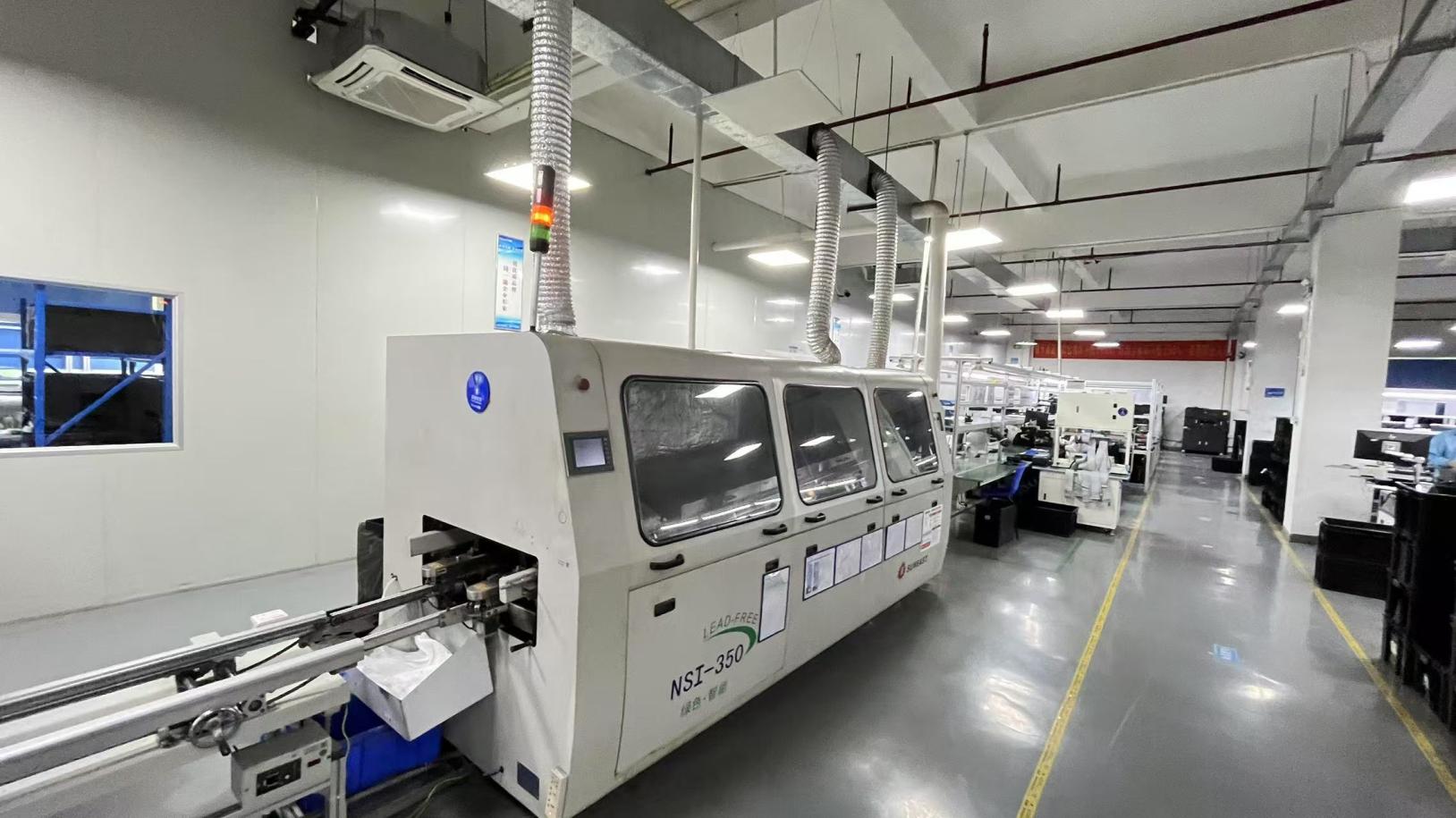
Securing high-quality optical components requires a robust supply chain framework. FiberQ maintains strategic partnerships with approximately 1,450 trusted raw material and logistics suppliers globally. This collaborative network ensures a steady supply of high-grade copper alloys, specialized engineering plastics, and optical elements, insulating our clients from supply shortages and pricing volatility.
For our customers in Malaysia, we guarantee full compliance with local and international import directives. Our 1xN ganged ports and SFP cages meet all requirements of the RoHS (Restriction of Hazardous Substances) and REACH directives, ensuring eco-friendly disposal and operation. Moreover, our products conform to international mechanical and environmental testing protocols (including IEC 60068 standards), providing a seamless pathway for integration into telecom hardware destined for Malaysian carriers such as Telekom Malaysia (TM), Maxis, and CelcomDigi.
A diverse collection of multi-port configurations equipped with EMI gaskets, light pipes, and advanced heatsinks.
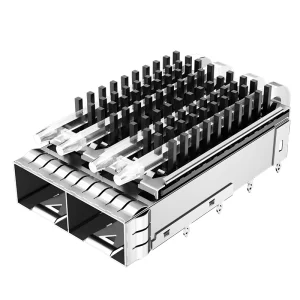
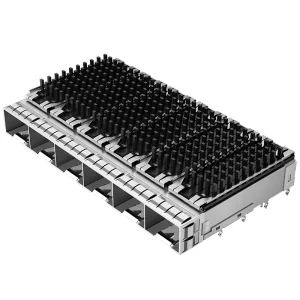
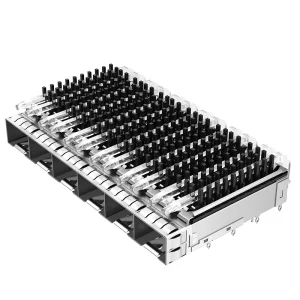
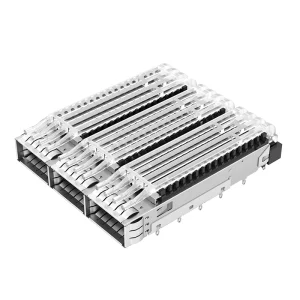
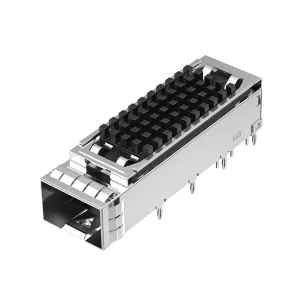
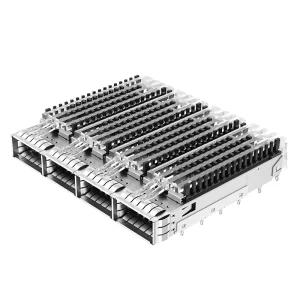
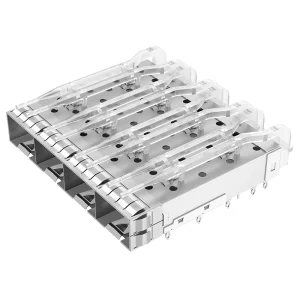
Expert technical insights regarding 1xN ganged port components deployment, EMI containment, and environmental specifications.
Connect directly with our senior application engineers for custom drawing reviews, physical samples, and customized EMI/thermal simulation data.
Send Inquiry Now