 FiberQ
FiberQ
FiberQ
Deploy reliable, low-latency interconnects instantly. These hot-swappable transceiver configurations represent the core building blocks for metropolitan enterprise infrastructures.
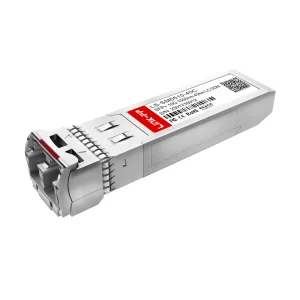
Ideal for long-reach metropolitan backbone link connections between Manhattan and NJ facility clusters.
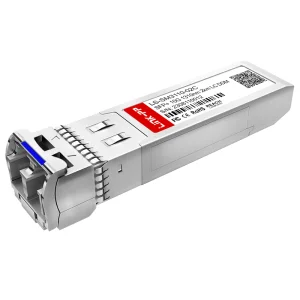
Engineered to upgrade legacy multi-mode link spans via electronic dispersion compensation algorithms.
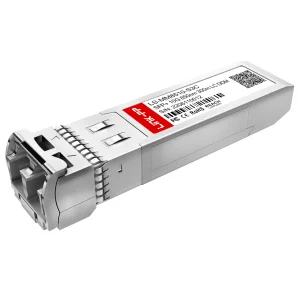
Standard short-reach connectivity for high-density switches and leaf-spine fabrics inside NYC servers.
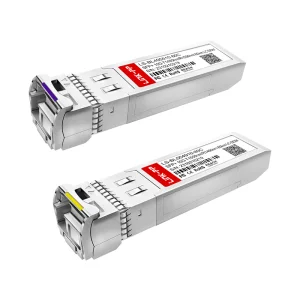
Leverages single-strand infrastructure to double fiber capacity across long-haul metropolitan pathways.
New York City is not just a global financial center; it is one of the most concentrated fiber-optic hubs on the planet. From carrier hotels at 60 Hudson Street and 111 Eighth Avenue to massive enterprise data centers in Secaucus, Carteret, and Piscataway, the demand for high-reliability connectivity is absolute. In these high-density environments, physical space, thermal dissipation, and ultra-low latency are the primary vectors of operational success.
10G and 16G SFP+ optical transceivers are critical to maintaining these low-latency pathways. Financial trading systems, multi-tenant cloud ecosystems, and high-frequency trading (HFT) configurations require physical optical links that present zero packet loss and minimal jitter. The deployment of 16G Fibre Channel (FC) SFP+ modules in SAN storage fabrics enables seamless transactional integrity, keeping local data pipelines synced across distributed redundant architectures.
"Our transceiver architectures are engineered for compatibility and stability within complex, legacy, and cutting-edge optical network grids."
FiberQ Photonics utilizes advanced optoelectronic components, keeping pace with standards set by IEEE and Fibre Channel Industry Association (FCIA).
Deploying direct-modulated lasers (DML) or electro-absorption modulated lasers (EML) allows our single-mode configurations to scale up to 80km (ZR range) and 120km without requiring inline dispersion compensators.
16G SFP+ modules operate at line speeds of 14.025 Gbps with backward compatibility to 8G and 4G FC links. Our hardware uses robust laser drivers to reduce link jitter and deliver clean eye diagrams across SAN switches.
Full adherence to SFF-8472 MSA standards. Optical diagnostics allow monitoring of internal temperature, supply voltage, laser bias current, transmitter power, and receiver optical power via standard systems.
Modern telecom operators, cloud hosts, and enterprise IT integrators face distinct challenges regarding supply chain scalability and technical compliance. A standard data center might deploy thousands of SFP+ modules; single-port failures can compromise Service Level Agreements (SLAs) and disrupt user flows.
Integrating low-jitter laser components specifically tuned for sub-nanosecond signal responses across NYC Metro fiber paths.
Enabling uncompressed video transmission and real-time streaming services over extended distances inside Manhattan's dense networks.
Direct compatibility with top-tier hardware manufacturers, reducing procurement costs while maintaining full network operations.
Navigating US hardware import standards, trade acts (like NDAA or TAA guidelines), and general compliance mandates can be difficult for enterprise integrators. FiberQ bridges this gap by ensuring all distributed products meet FCC Class B, CE, and RoHS standards.
We provide rapid hardware delivery to the New York Metro area from regional stock locations, ensuring quick deployment. Our field engineering team supports onsite configuration audits, custom coding for unique hardware switches, and prompt warranty replacement.
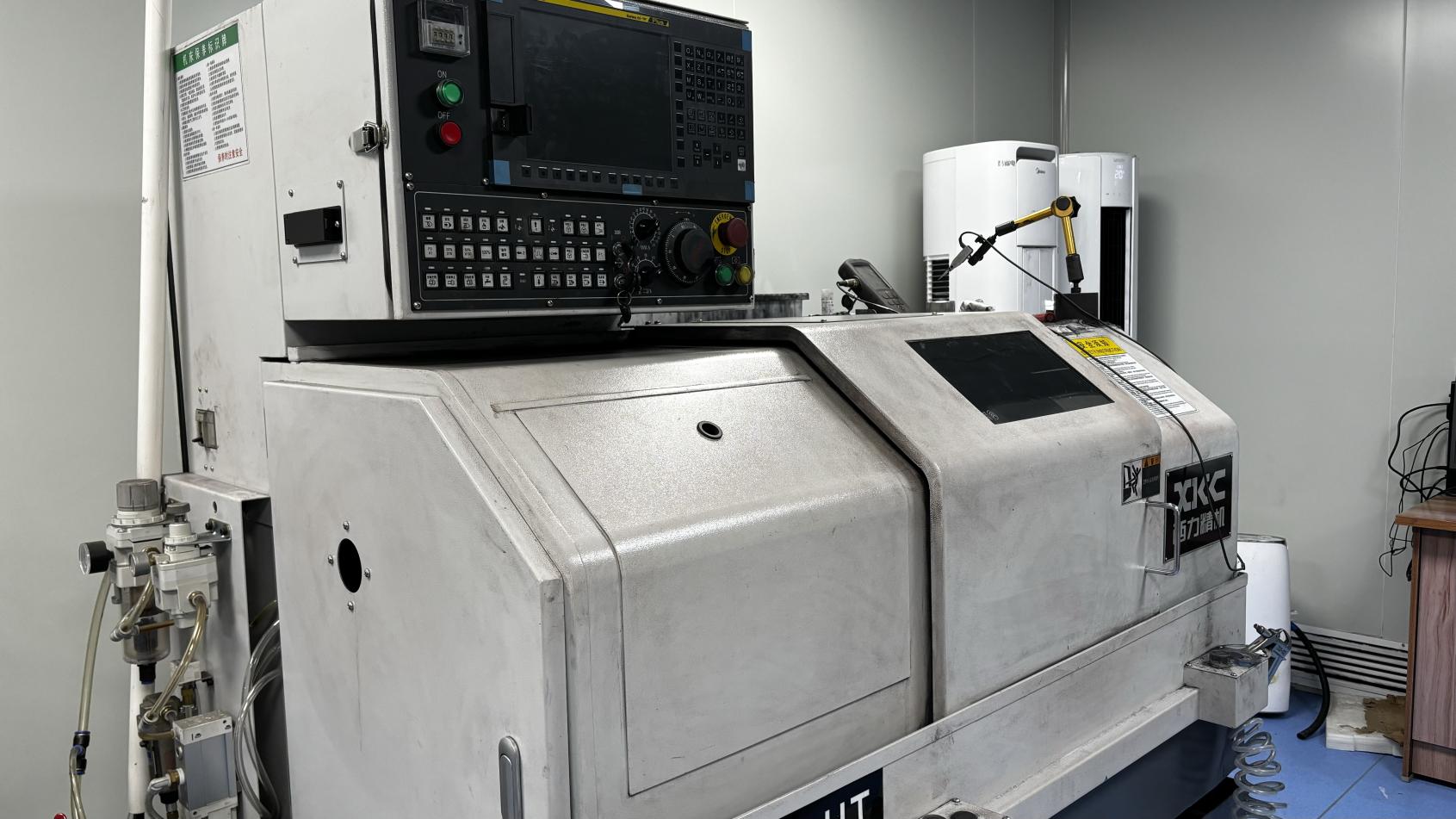
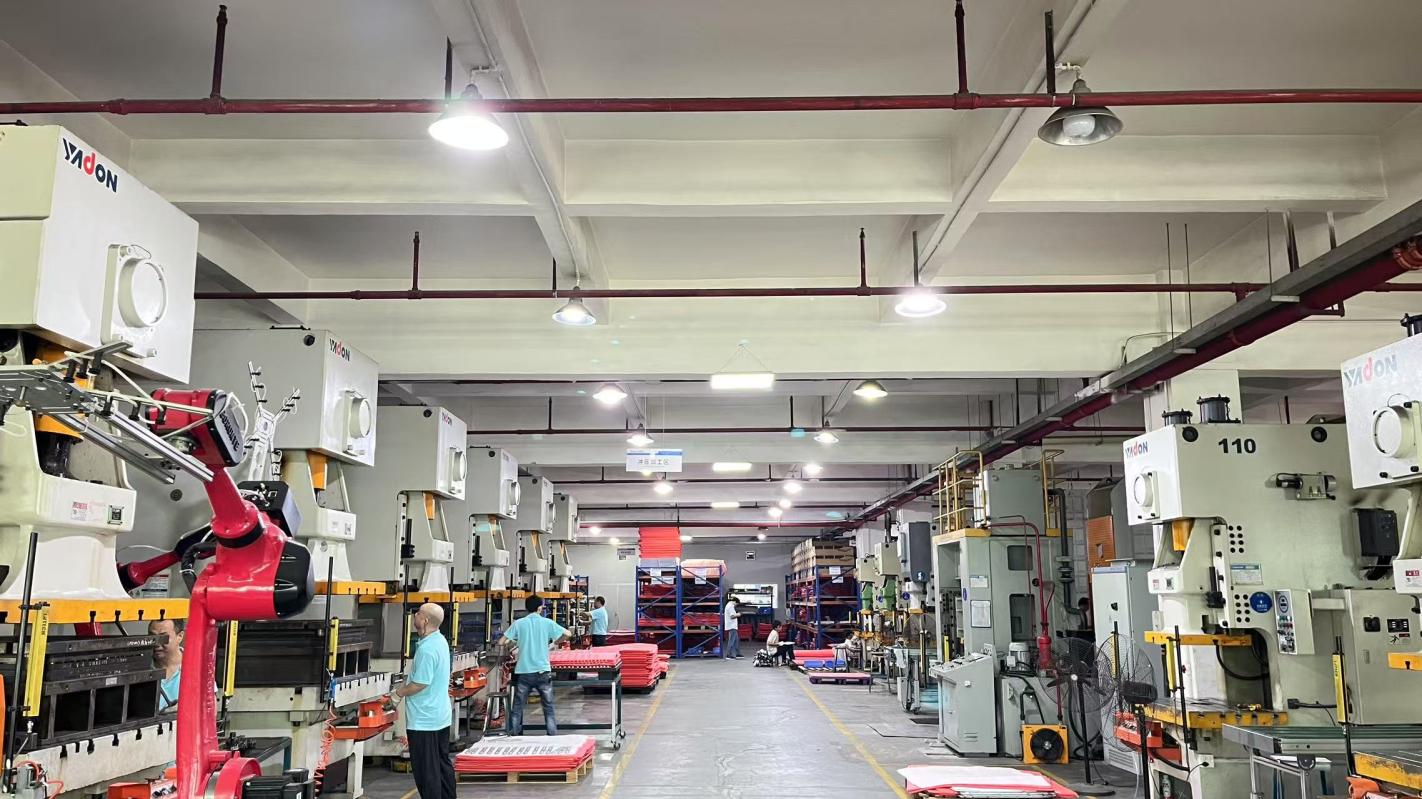
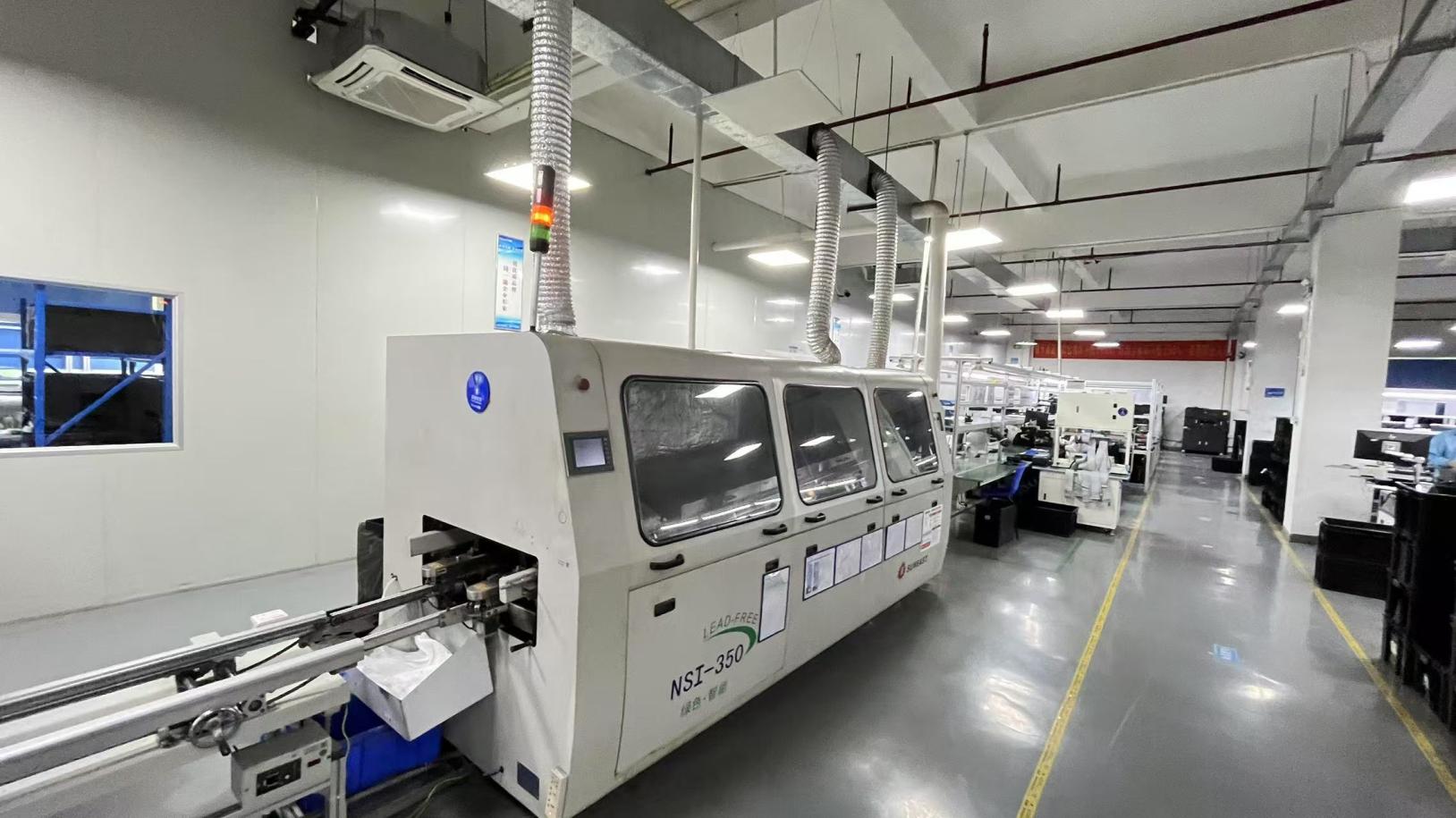
FiberQ operates a state-of-the-art production facility spanning approximately 12,600㎡. Here, manufacturing efficiency matches rigorous inspection processes, delivering optical hardware that performs reliably in the field.
Our supply chain is supported by relationships with over 1,450 component suppliers. This helps ensure component availability even during global semiconductor shortages, preventing lead time delays for our clients.
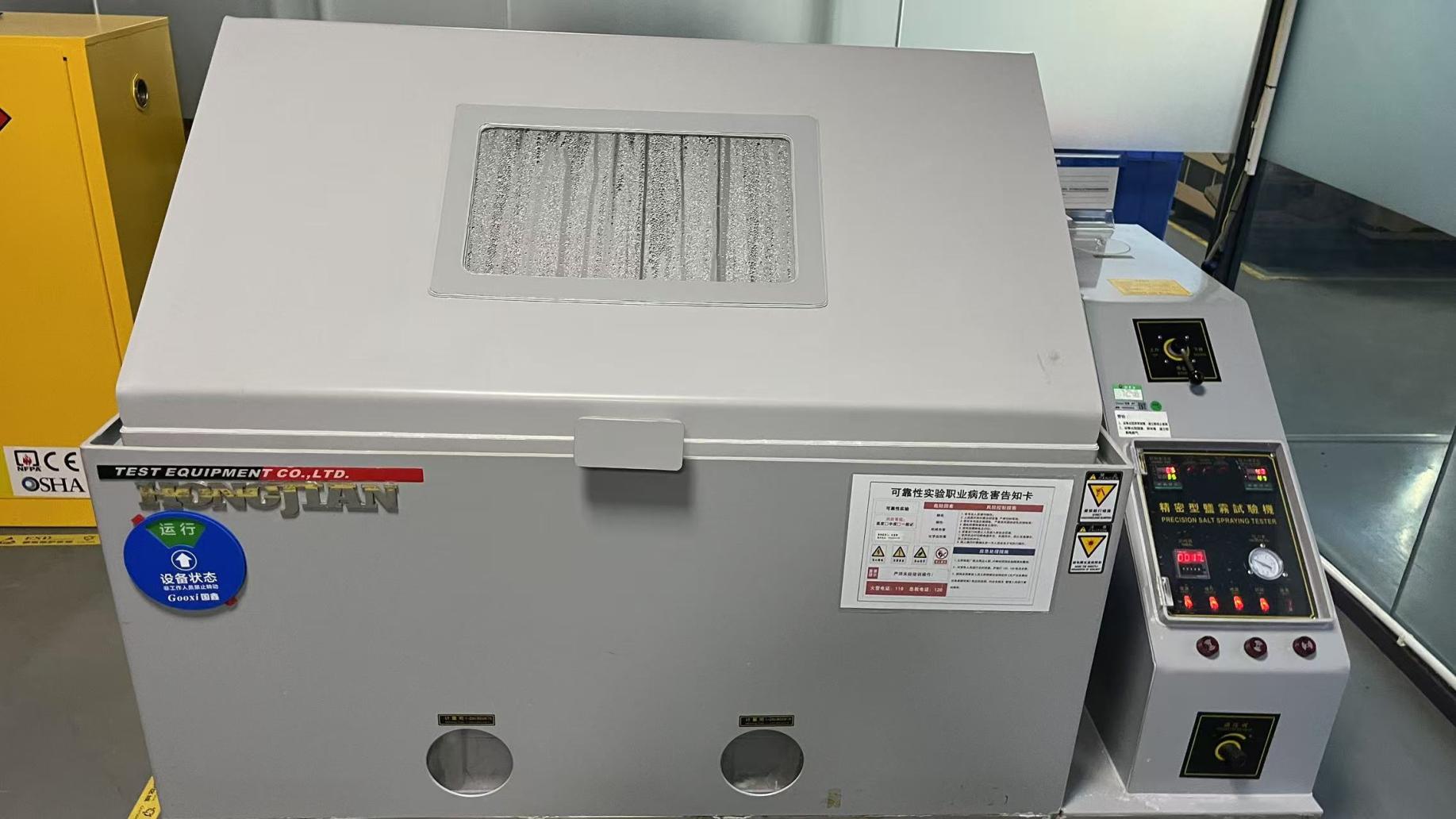
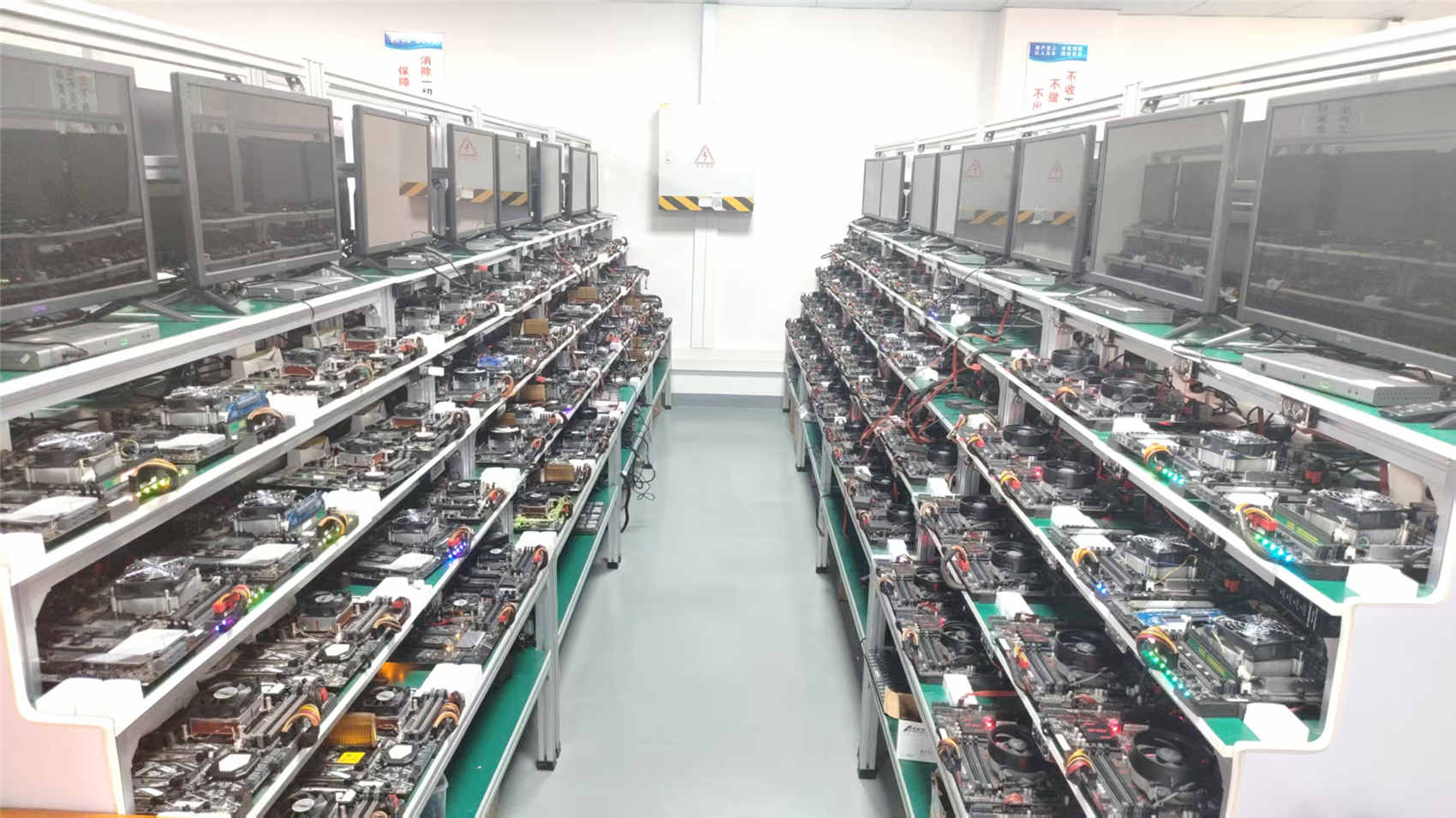
Real-Time Factory View & Quality Inspection Environments:


Select from our comprehensive list of active optical transceivers, compatible with major network switch architectures in New York's enterprise networks.
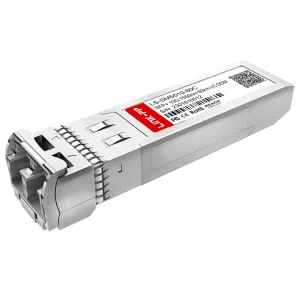
Excellent link budget for long spans without requiring amplification.
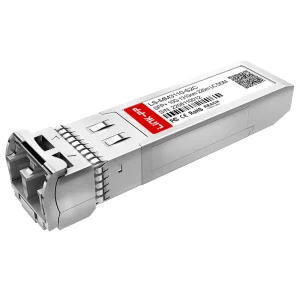
Upgrade FDDI-grade OM1/OM2 fiber to 10G speeds without cable replacement.
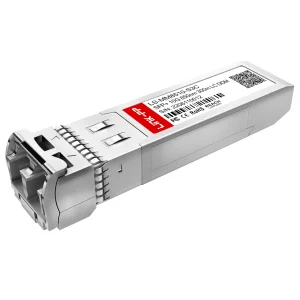
Standard VCSEL-based short-range module for local cabinet interconnects.
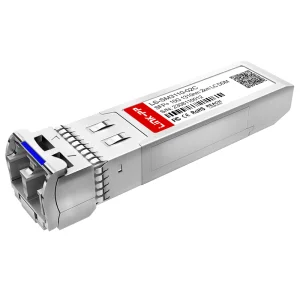
Cost-effective single-mode transceiver for medium-reach building links.
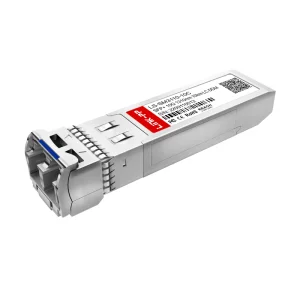
Standard 10-kilometer link budget, suitable for metro ethernet routing.
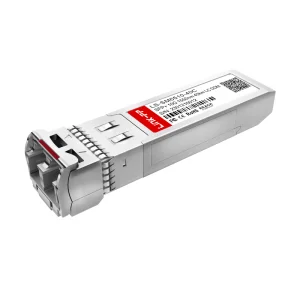
Engineered for extended-reach connections across municipal distribution points.
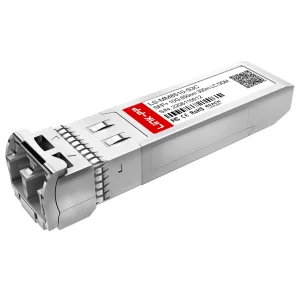
Designed with a wide operating temperature range for industrial utility sites.
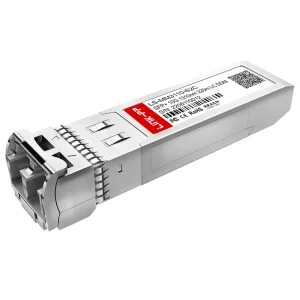
Fully coded to interface with legacy and modern Catalyst switch architectures.
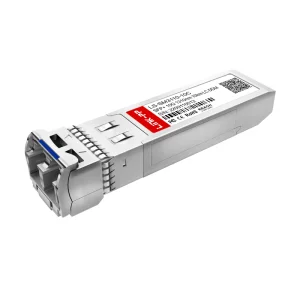
Drop-in replacement for standard Cisco single-mode transceiver parts.
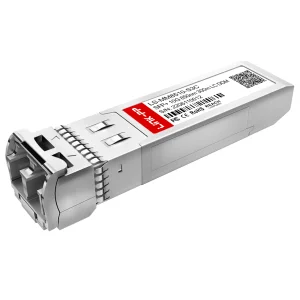
Ensures full compatibility with Cisco Nexus switching platforms inside data centers.
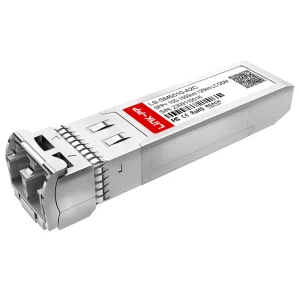
Ultra-long haul capability, engineered to connect remote NY nodes.
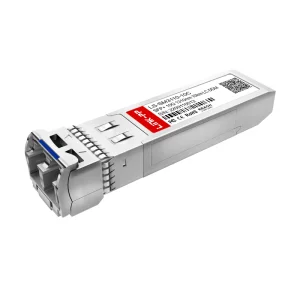
Coded for Cisco's S-Class series, balancing cost and enterprise features.
Detailed technical answers to help network architects select and deploy optical transceiver hardware.
Every transceiver is coded in-house to match the target vendor’s specific Multi-Source Agreement (MSA) EEPROM signatures. After programming, the modules undergo testing on corresponding switch fabrics inside our compatibility lab. This process helps ensure they are recognized by host hardware without throwing port errors.
10G SFP+ optical transceivers offer lower latency than copper 10GBASE-T RJ45 modules. Fiber optic links bypass the block encoding and digital signal processing (DSP) required by copper interfaces, reducing typical physical layer latency to under 0.1 microseconds. This makes optical modules a preferred choice for financial networks in New York.
10GBASE-LRM (Long Reach Multimode) transceivers utilize Electronic Dispersion Compensation (EDC) inside their receiver chipset. This compensation helps mitigate modal dispersion associated with legacy multi-mode fiber cores, allowing 10G operation up to 220 meters without requiring new cabling.
We coordinate shipments from regional logistics networks and our manufacturing facility to ensure reliable delivery times. Standard, in-stock modules typically ship quickly, while custom configurations or large orders are scheduled to align with build timelines. Contact our sales office for specific scheduling.
Our quality assurance protocol includes automated optoelectronic calibration, bit error rate (BER) analysis, eye diagram verification, and high-temperature aging chambers. These tests verify performance parameters across variable temperature ranges, reducing field failures.