FiberQ
FiberQ
FiberQ
Engineered for high-density switches, low latency storage area networks, and extreme climate installations across Brisbane, Sydney, and Melbourne.
Australia’s connectivity landscape is undergoing an unprecedented shift. Driven by massive cloud capital investments in Sydney, Melbourne, and Canberra, the rollout of ultra-low latency infrastructure demands optical hardware capable of operating without packet loss under harsh local environmental conditions.
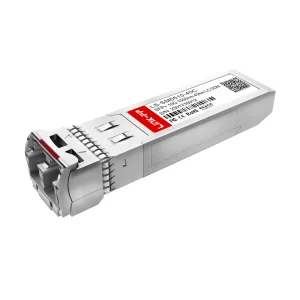
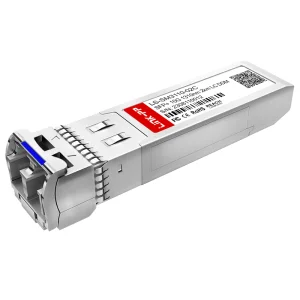
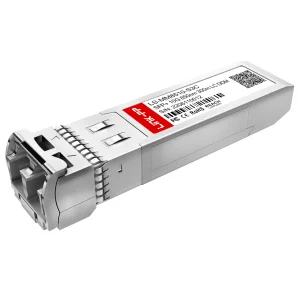
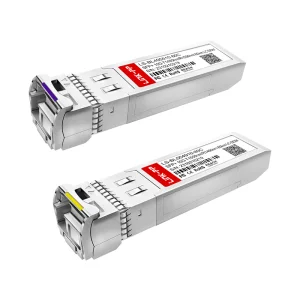
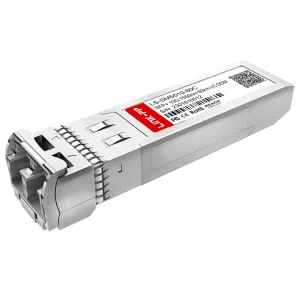
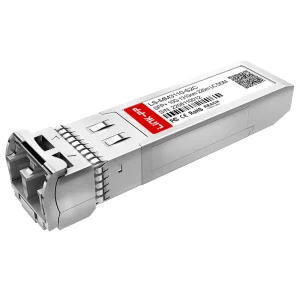
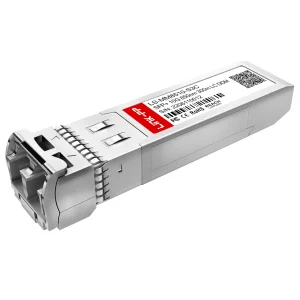
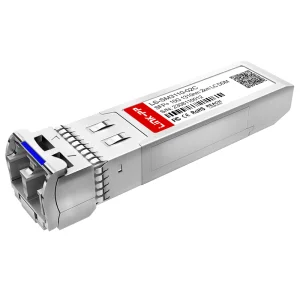
As enterprise storage area networks (SANs) and core switches transition to support high-throughput payloads, the adoption of 10G SFP+ and 16G Fibre Channel (16GFC) optical transceivers has become a technical baseline. Key industries including Western Australian mining automation, Queensland remote telecommunications, and major financial service operations in New South Wales rely on these form factors for critical daily data distribution.
FiberQ Photonics bridges the gap between scalable high-volume production in China and the precise certification and customization standards demanded by Australian systems integrators.
Compatibility programming verified on over 150 switch platforms including Cisco, Juniper, Arista, and HP.
Designed to strictly satisfy Australian electro-magnetic compatibility and laser safety requirements.
Industrial temperature grade availability (-40°C to 85°C) to withstand the harsh Australian climate.
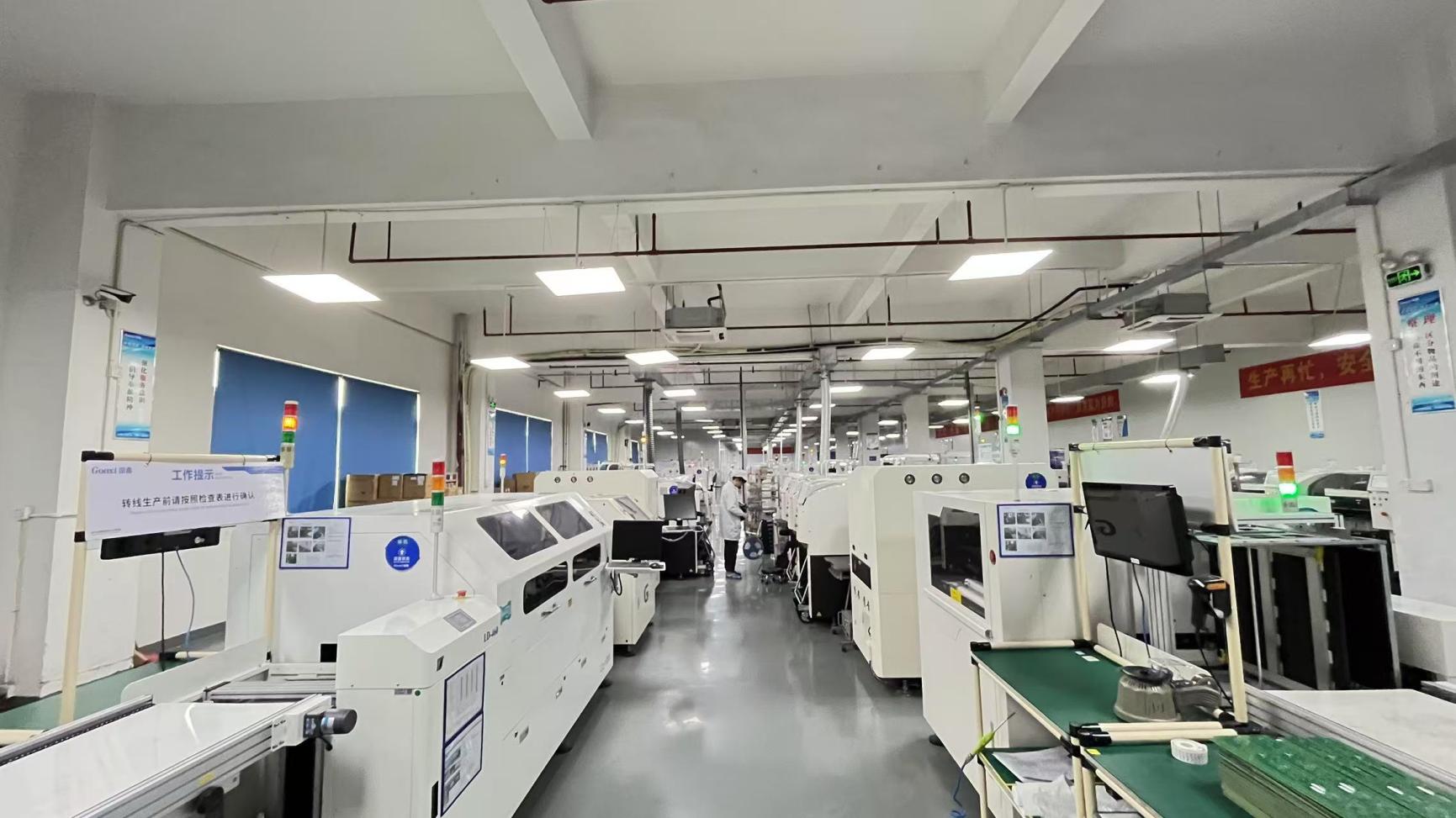
FiberQ Photonics combines 12 years of industry experience with state-of-the-art optoelectronic manufacturing units to deliver reliable performance worldwide.
FiberQ Photonics Technology Co., Ltd. is a professional manufacturer specializing in high-performance fiber optic transceivers and advanced photonic communication solutions for data centers, telecom networks, and high-speed interconnect applications. Founded in 2015, the company has grown into a trusted global supplier with strong engineering and export capabilities.
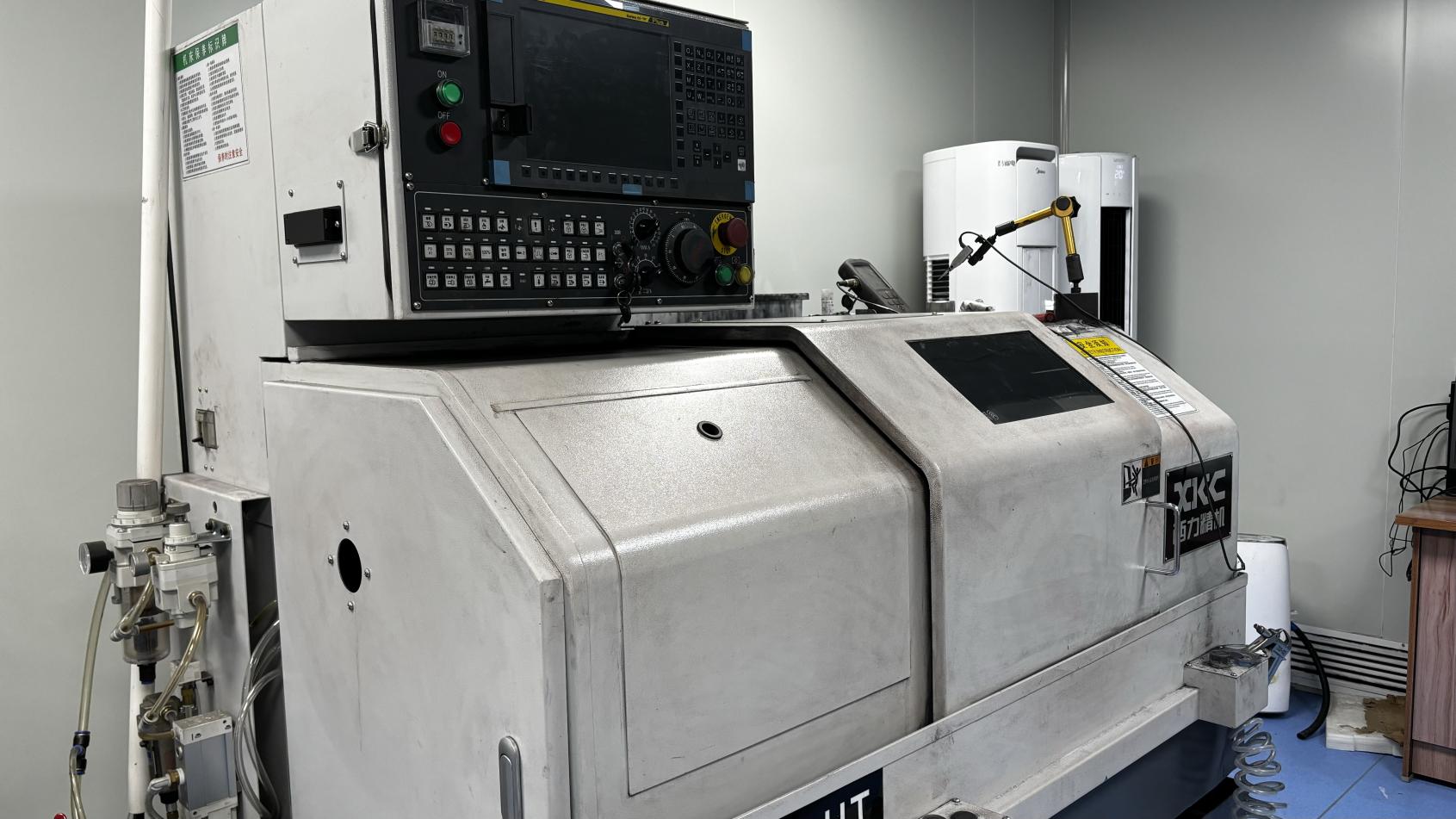
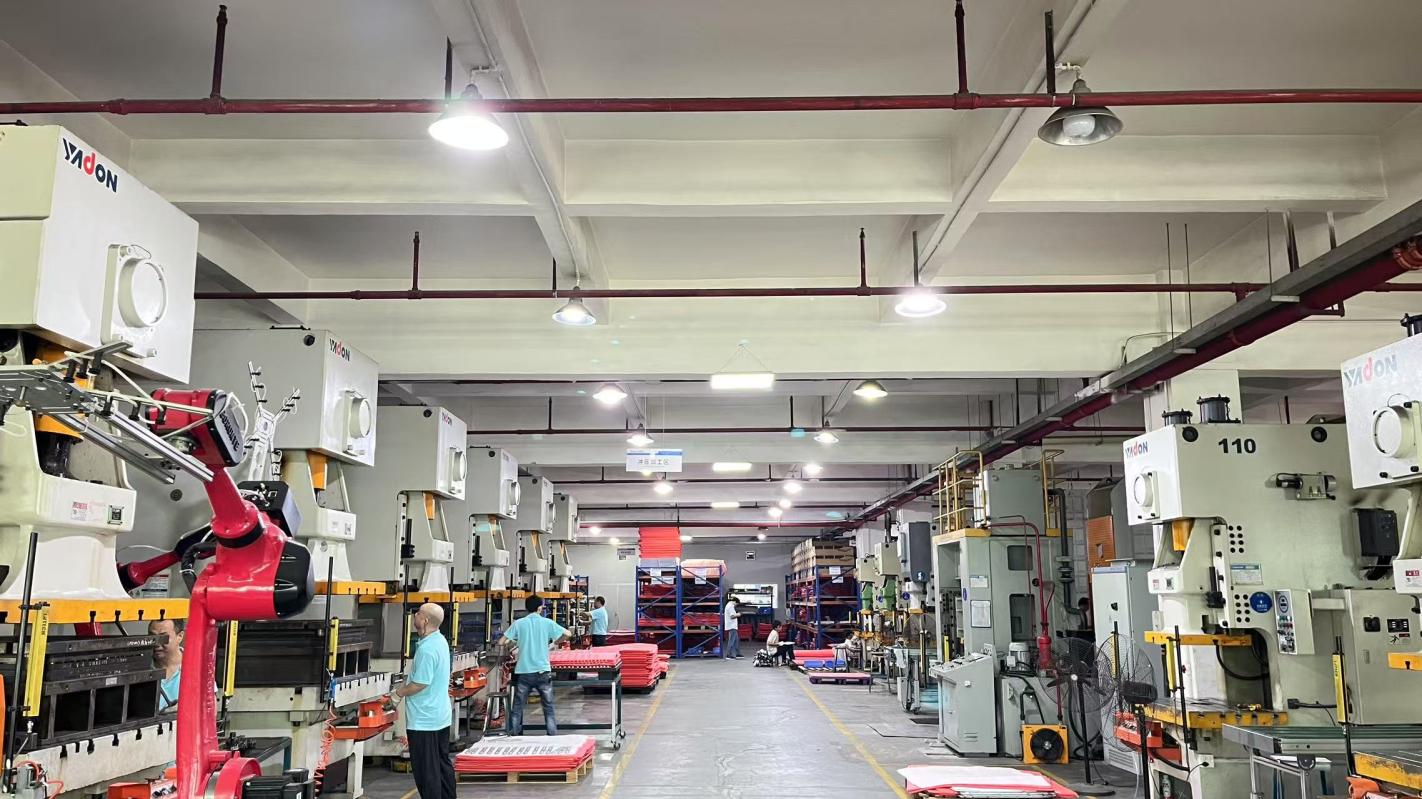
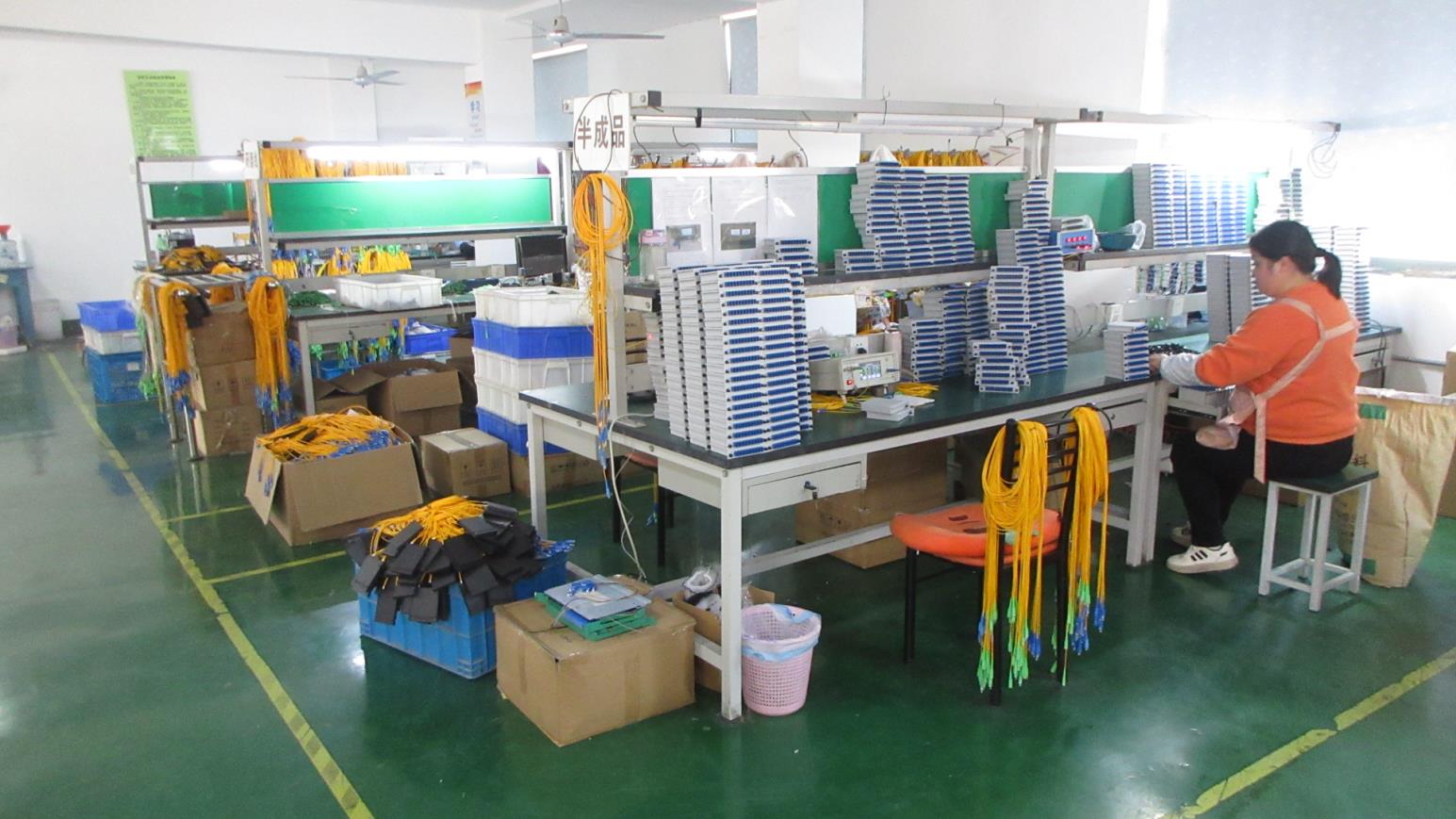
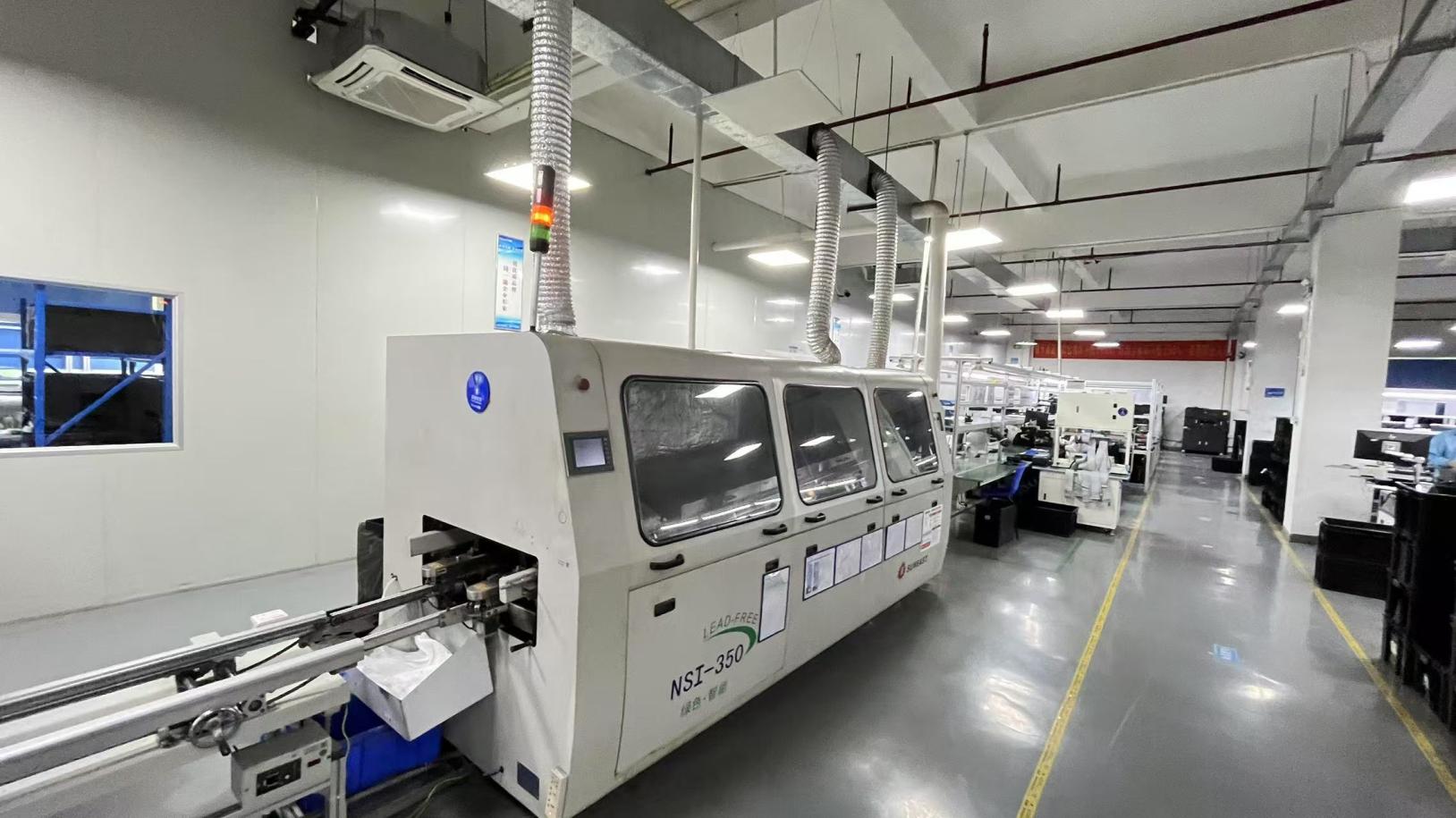
The company operates a modern production facility covering approximately 12,600㎡, enabling scalable manufacturing, precision assembly, and strict quality control processes. With annual export revenue reaching around USD 9.5 million, FiberQ has accumulated 6 years of export experience and 12 years of industry expertise in optical communication technologies.
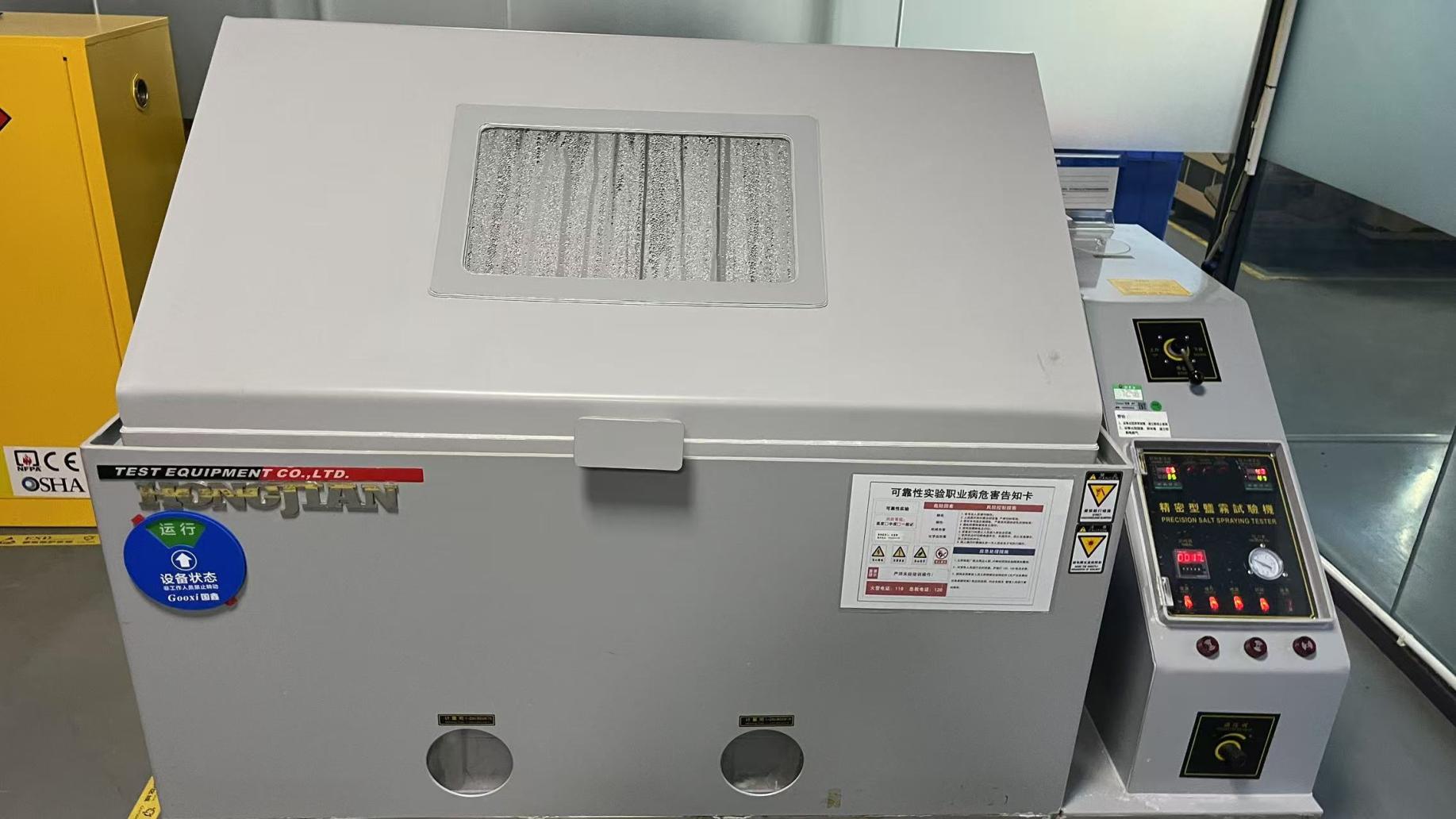
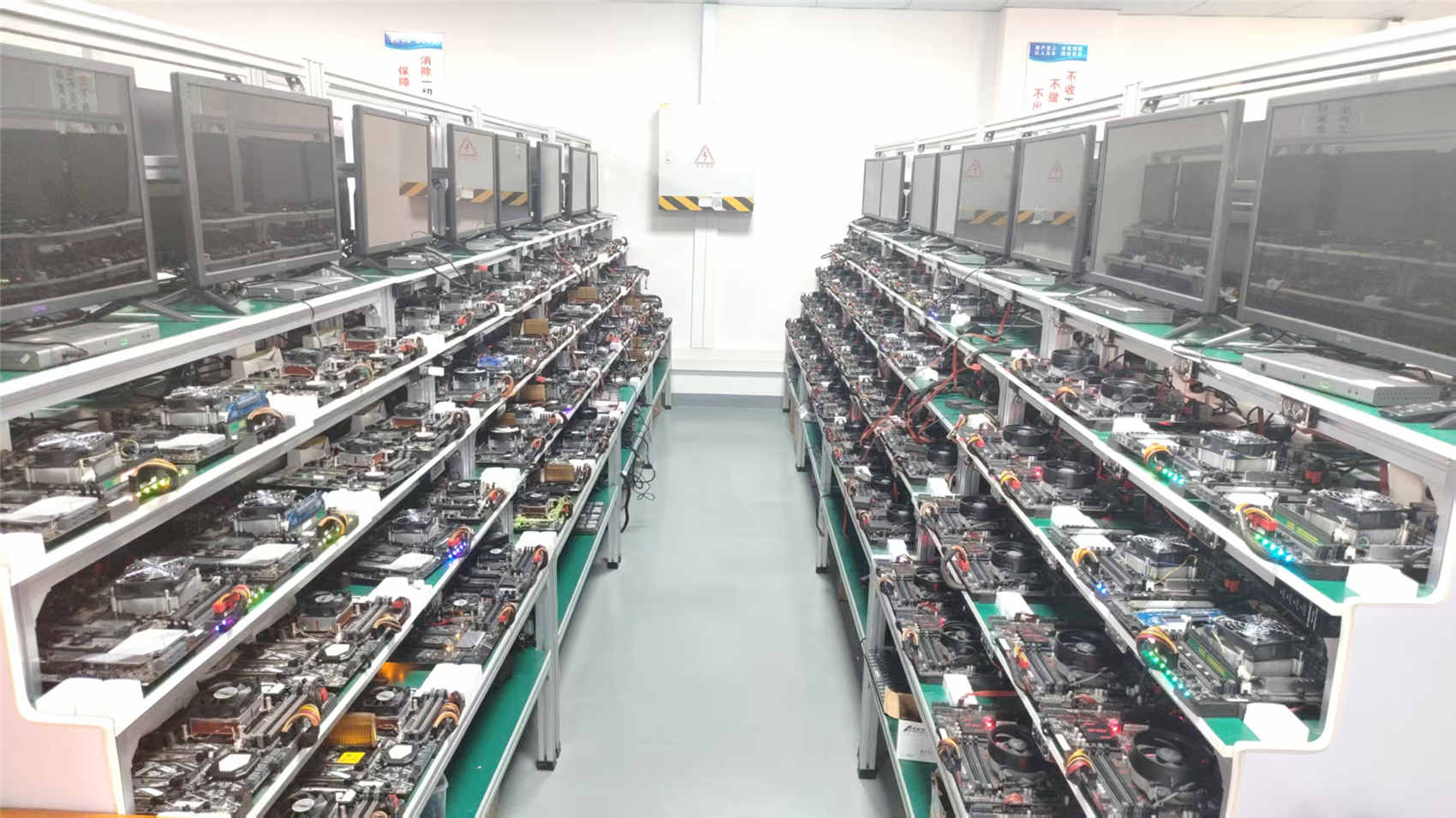
Quality assurance is ensured through a combination of automated optical performance testing, interferometric inspection, high-temperature aging tests, and manual quality checks. The quality control team consists of 62 experienced inspectors dedicated to maintaining product reliability and compliance with international standards. FiberQ maintains a strong trade background focused on OEM and ODM partnerships. Our primary markets include North America, Europe, Japan, and Australia, serving telecom operators, cloud service providers, and enterprise network integrators.
Understanding wavelength engineering, distance budgets, and media interface options for custom enterprise applications.
| Module Standard | Media Type | Wavelength | Max Distance | Typical Applications |
|---|---|---|---|---|
| 10GBASE-SR | Multi-mode (OM3/OM4) | 850nm | 300m / 400m | Intra-rack data center links, local network closets |
| 10GBASE-LR | Single-mode (OS2) | 1310nm | 10km | Campus interconnects, metropolitan ring distribution |
| 10GBASE-ER / ZR | Single-mode (OS2) | 1550nm | 40km / 80km | Long-haul regional backhauls, inter-city telecom nodes |
| 16G Fibre Channel (16GFC) | SMF / MMF Options | 850nm / 1310nm | Up to 10km | Storage Area Network (SAN) switch-to-array pathways |
Our R&D team supports advanced customization including protocol compatibility configurations (expanding up to 100G/200G/400G/800G platforms), wavelength engineering (such as CWDM/DWDM grids), thermal optimization for closed-enclosure environments, and form-factor adaptations. In the past year alone, FiberQ launched approximately 180 new products, reflecting our commitment to technical adaptation and continuous validation.
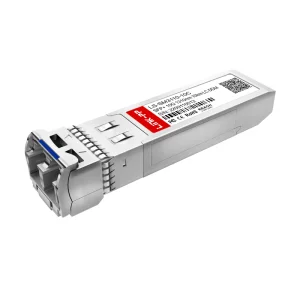
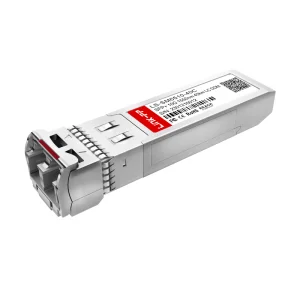
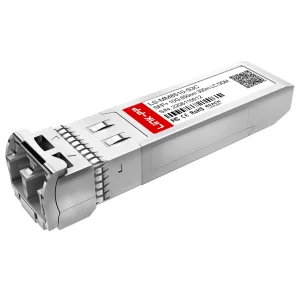
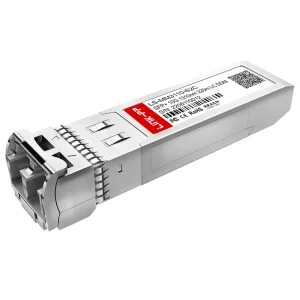
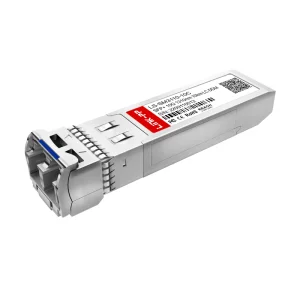
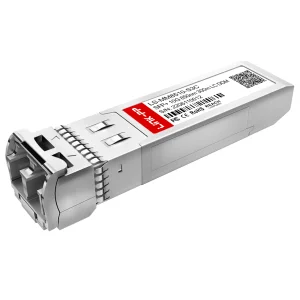
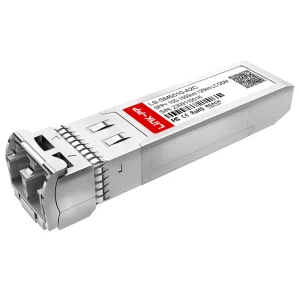
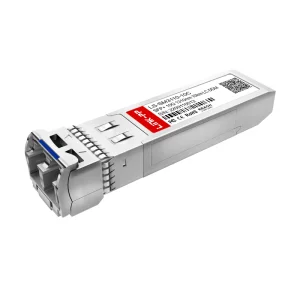
Select from our widely deployed range of multi-mode, single-mode, long-range, and vendor-compatible optical transceivers.
Every transceiver is subject to optical eye-diagram analysis, spectral checking, compatibility testing in native switches, and thermal stress cycles.
Answers to common deployment questions asked by network administrators and purchasing offices in Australia.