FiberQ
FiberQ
FiberQ
Deploy high-speed, reliable fiber connections with our leading 10G/16G transceivers. Optimized for Boston's academic, commercial, and colocation infrastructure.
The Greater Boston area—extending from Cambridge’s Kendall Square tech cluster to the defense and microelectronics manufacturing corridors of Route 128—presents a complex ecosystem of networking demands. As a leading hub for biotechnology, artificial intelligence, academic research (such as MIT and Harvard networks), and quantitative finance, Boston companies generate and process unprecedented quantities of secure, real-time data.
Whether configuring regional enterprise networks, high-density academic computing clusters, or connecting to local peering exchanges like the Boston IX, network engineers must ensure zero packet loss, low latency, and rugged reliability. Our 10G SFP+ and 16G Fibre Channel solutions are specifically engineered to bridge the performance gap between legacy gigabit systems and high-throughput optics, providing the robust physical layers required by New England's demanding commercial infrastructure.
As network architects plan future-proof infrastructures, the shift from 10G/16G SFP+ configurations to higher-density architectures is structured around scalability. The 10G/16G SFP+ module remains the most popular interface for access-layer connections due to its excellent thermal profile, structural cost efficiency, and reliable physical characteristics.
Our transceivers employ state-of-the-art 850nm VCSEL, 1310nm DFB, and 1550nm EML lasers designed for continuous operation. Under high-density deployments, optical parameters such as extinction ratio, side-mode suppression ratio (SMSR), and dispersion tolerance determine overall connection performance. Our modules feature advanced Digital Optical Monitoring (DOM) compliant with SFF-8472, providing real-time diagnostics of parameters like TX/RX power, internal temperature, and laser bias current.
While 10G/16G SFP+ modules serve as the backbone for access networks, our technology roadmap ensures clear pathways toward 25G SFP28, 100G QSFP28, 400G, and 800G coherent configurations. By selecting FiberQ as your primary transceiver manufacturing partner, Boston enterprises guarantee access to engineering expertise that can scale with their data-dense operations over the next decade.
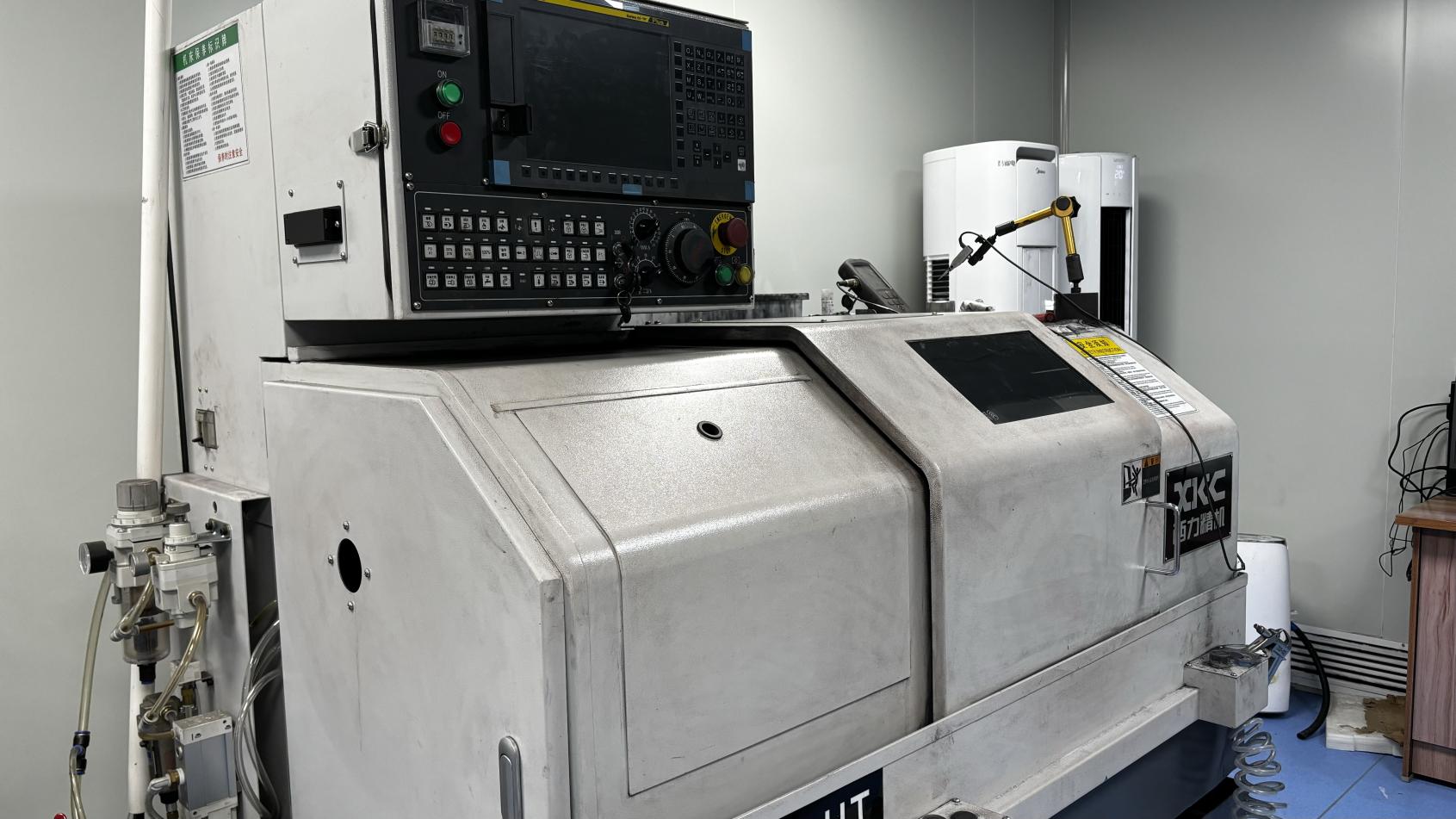
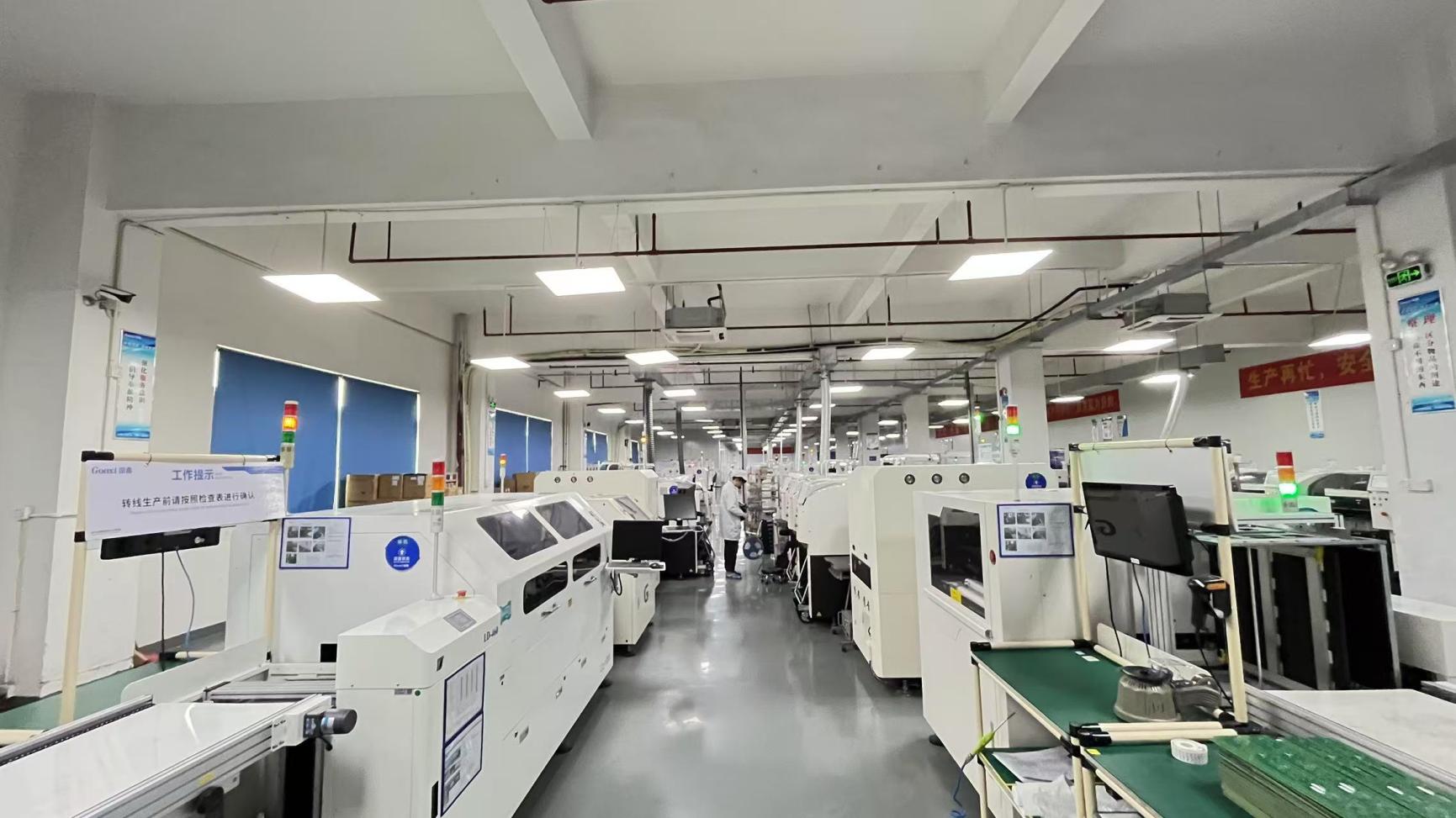
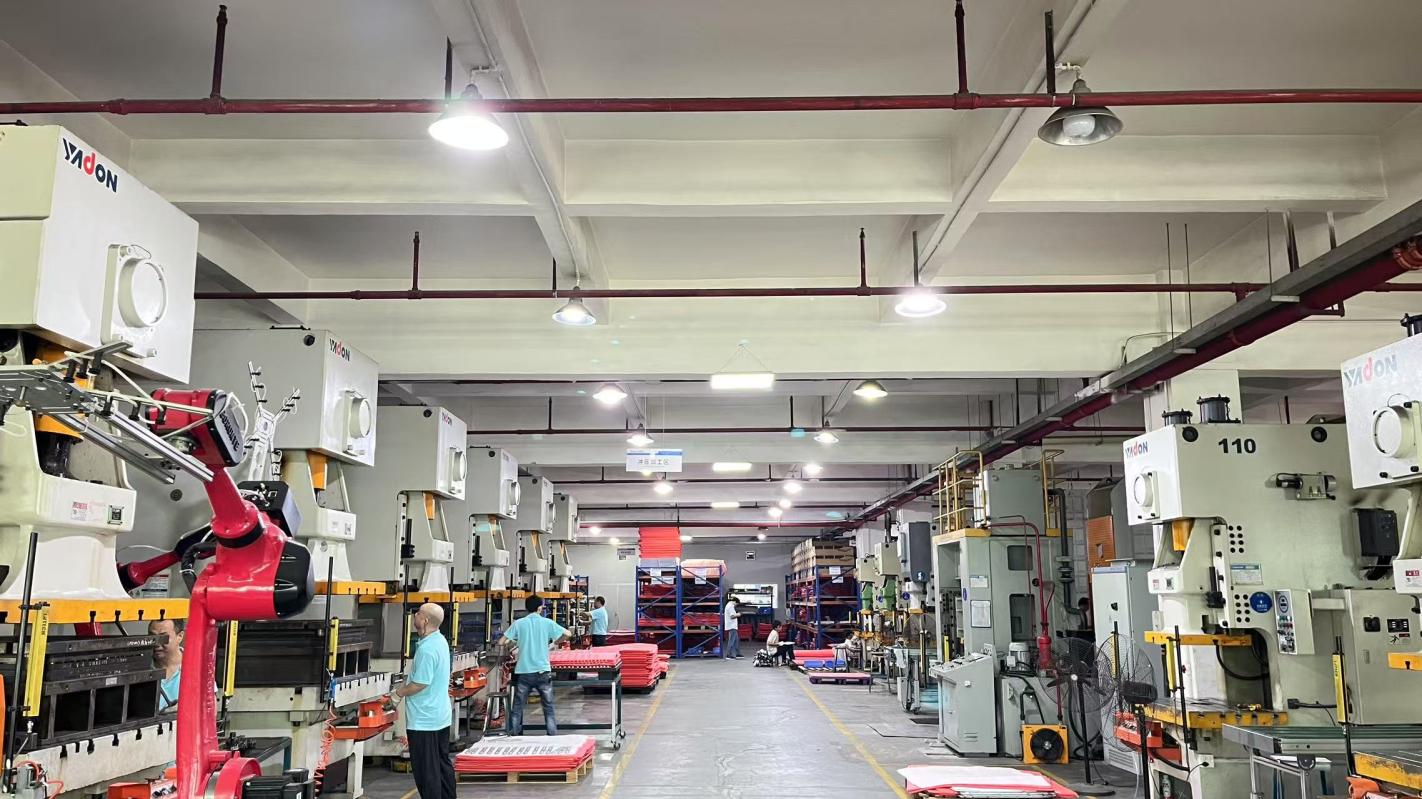
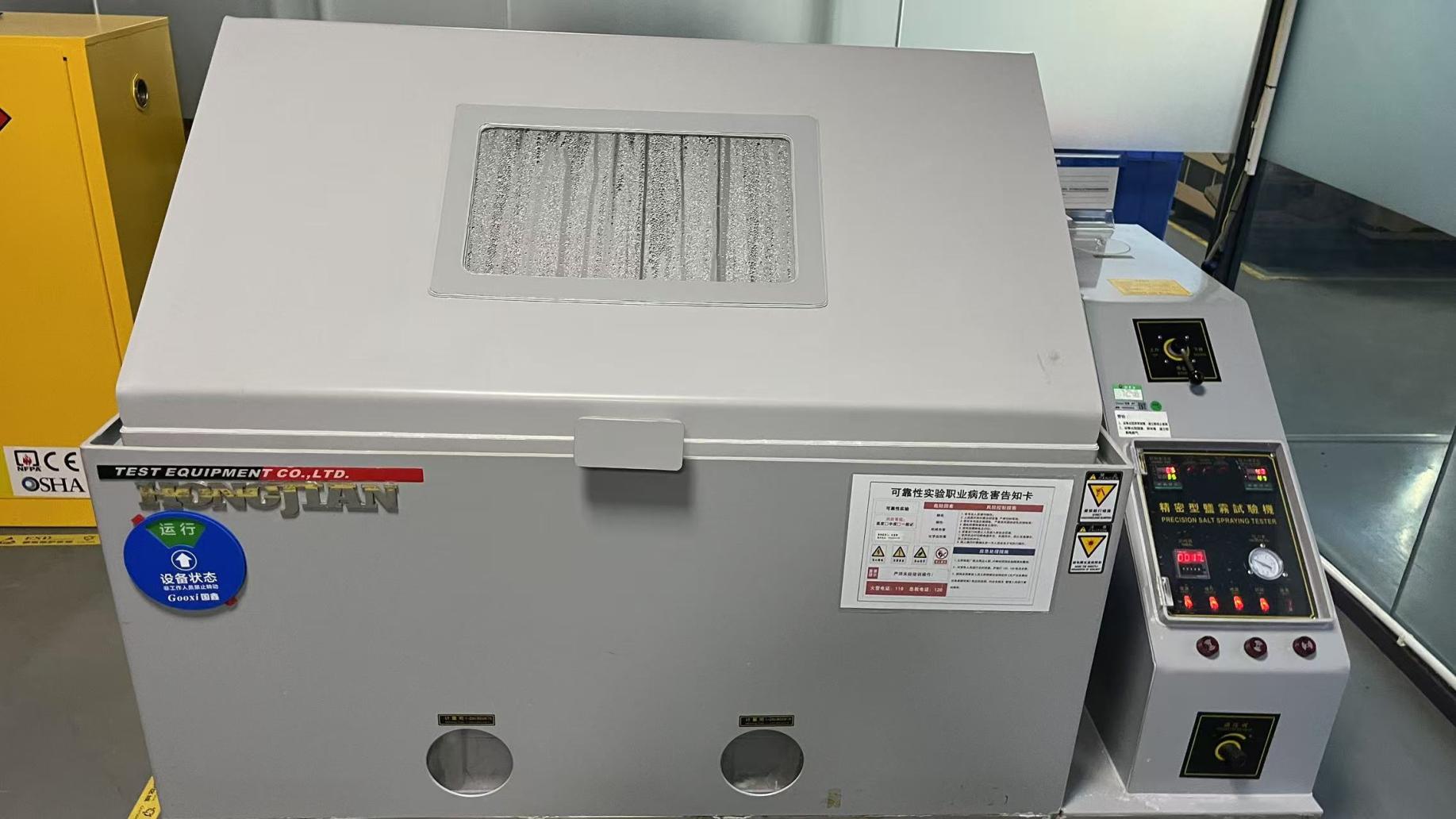
Our advanced production plant operates strictly under ISO 9001 and ISO 14001 guidelines to provide consistent manufacturing at scale. With an annual export volume reaching USD 9.5 million, our facility combines automated optical component placement, robotic wire bonding, and multi-stage testing rigs. Every batch of 10G/16G SFP+ modules undergoes rigorous thermal cycling, high-temperature aging chambers, and real-world hardware compatibility testing on host switches.
Backed by partnerships with over 1,450 trusted component manufacturers, FiberQ avoids the component shortages that stall major deployment initiatives. Our 240 R&D engineers develop bespoke firmware configurations, providing physical-layer compatibility with major OEMs such as Cisco, Juniper, Arista, and Dell. We offer custom wavelength configurations, specialized heat-sink housings for high-density environments, and long-reach single-mode solutions.
Operating a network in the Boston area requires adherence to strict municipal, state, and federal regulatory standards. At FiberQ, we align our product engineering and packaging to comply with New England procurement protocols:
Our entire transceiver catalog is certified compliant with FCC Class B regulations for electromagnetic interference, and FDA Class 1 Laser Safety standards, ensuring secure deployment in high-density office environments and healthcare research labs.
We utilize eco-friendly, lead-free soldering and manufacturing practices. All materials comply with European RoHS and WEEE directives, aligning with corporate sustainability initiatives in Massachusetts.
Through optimized shipping corridors direct to Boston Logan Airport or local warehouses, we reduce lead times to ensure network maintenance, replacements, or expansions are delivered on time.
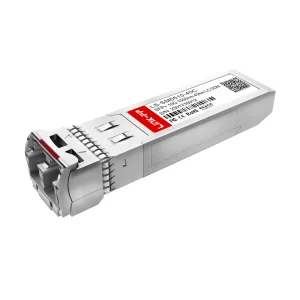
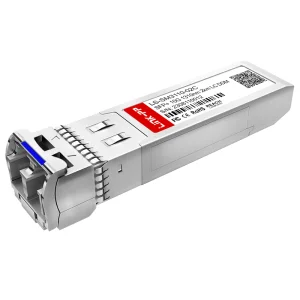
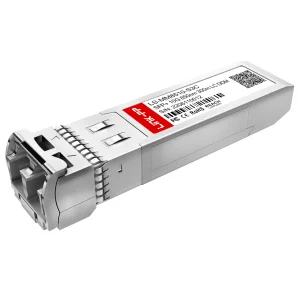
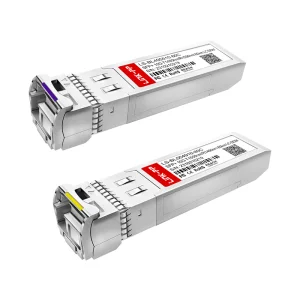
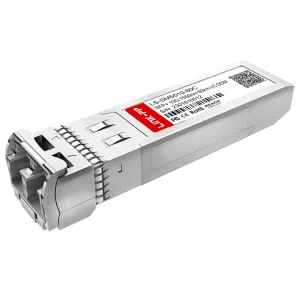
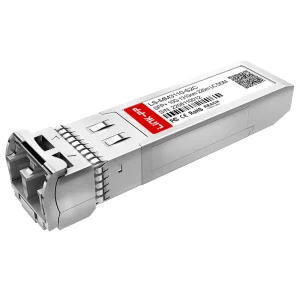
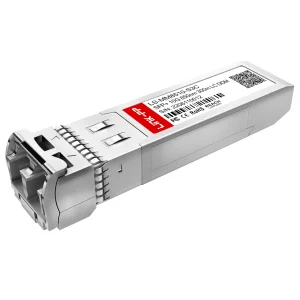
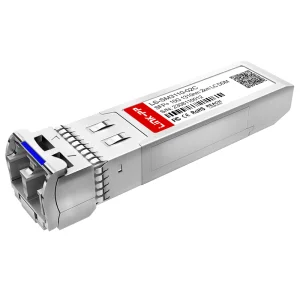
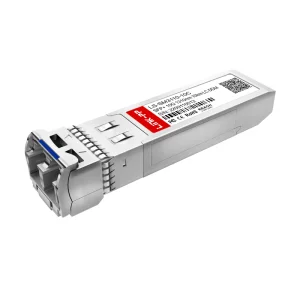
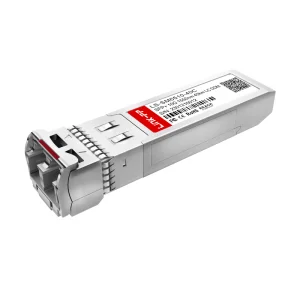
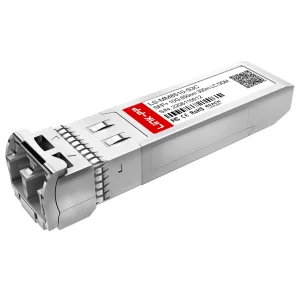
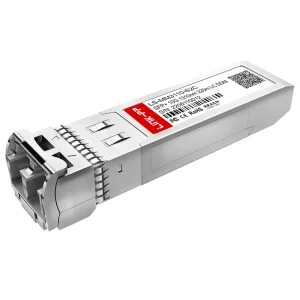
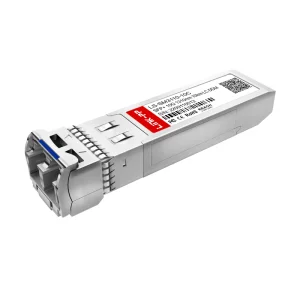
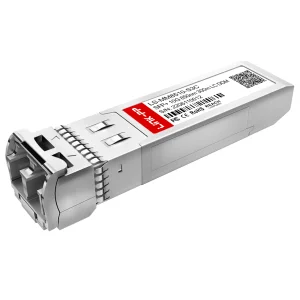
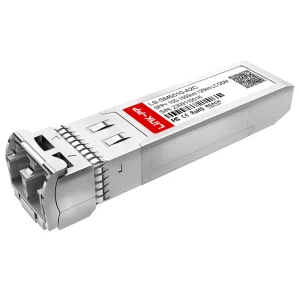
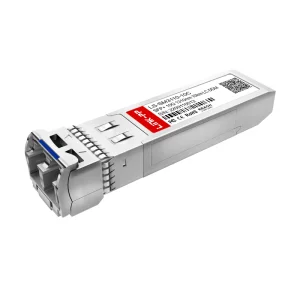
Browse our complete range of high-compatibility optical transceivers. Click on individual products to view detailed engineering datasheets and custom configuration options.
Get an inside look at our 12,600㎡ modern manufacturing center. We invest in automated testing and assembly to maintain standard compliance for our global client base.
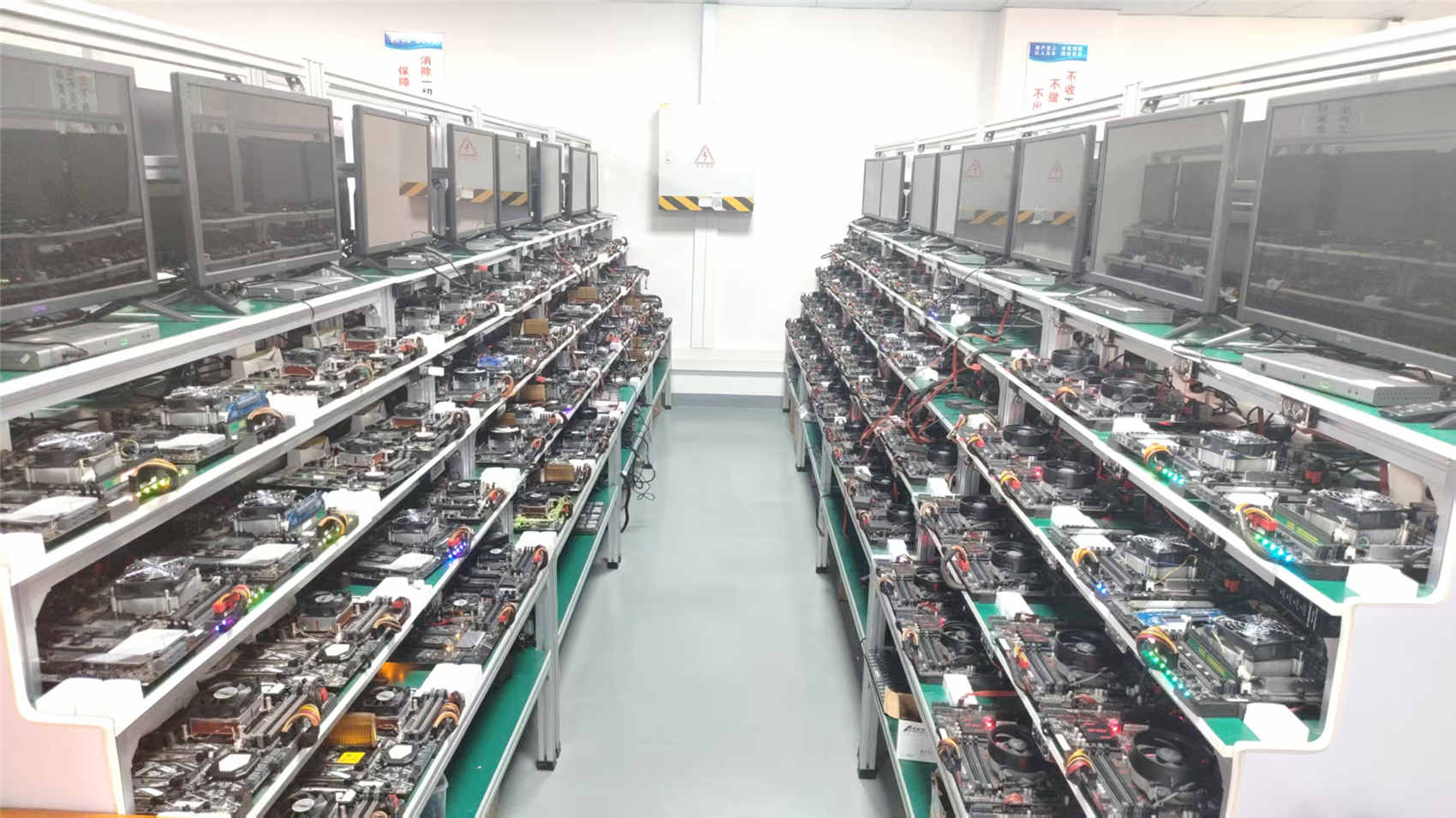
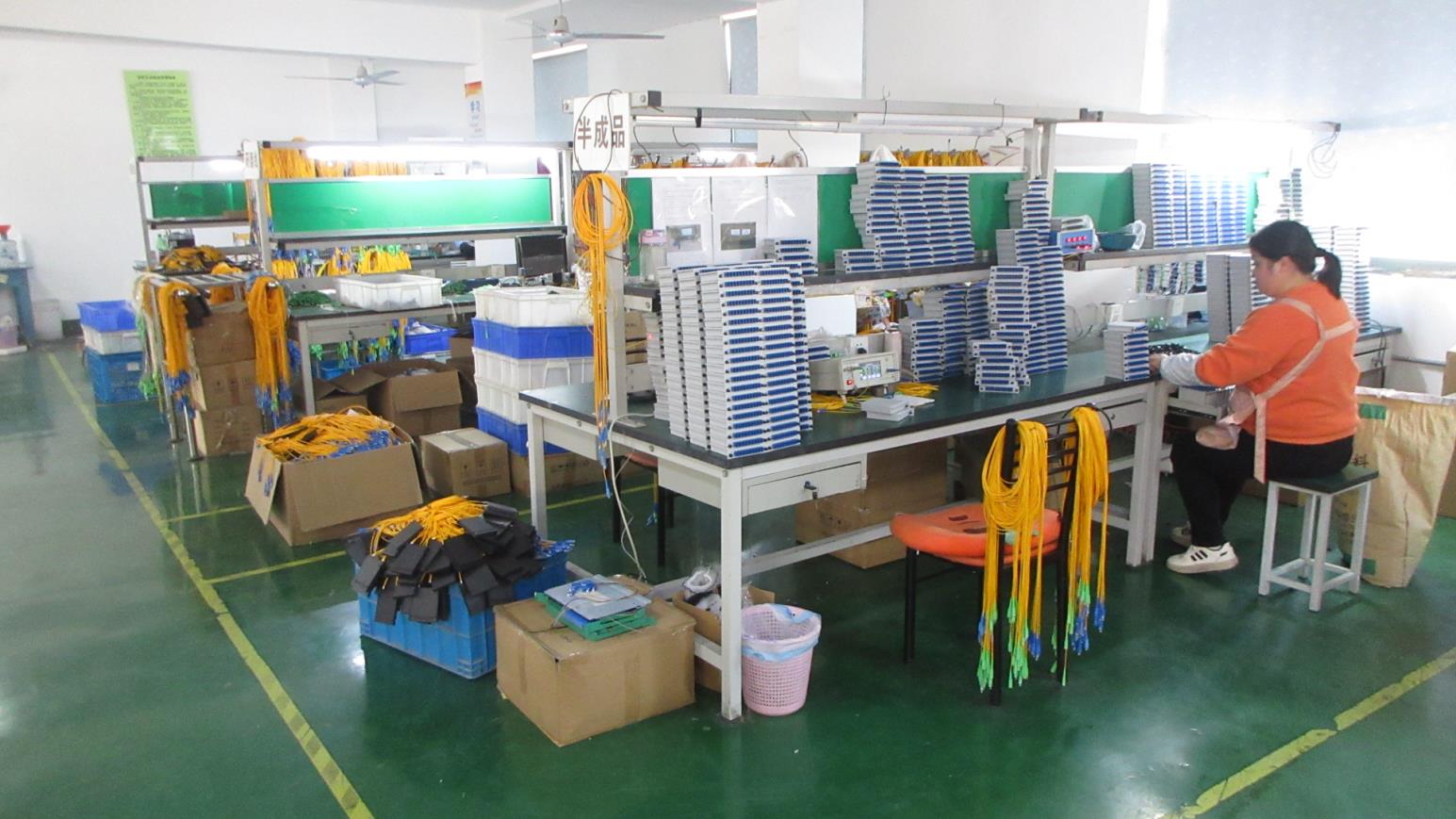
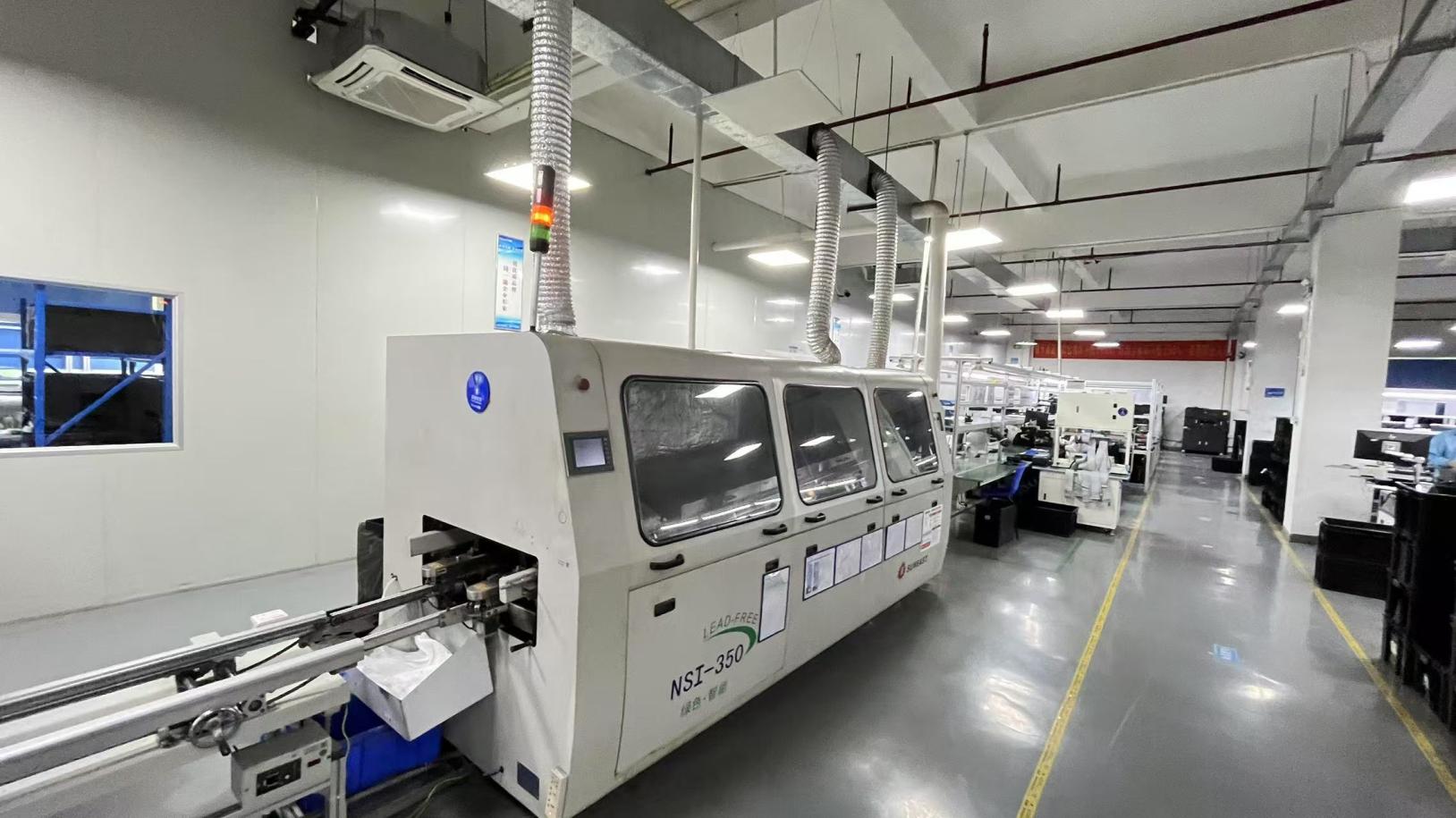
Every transceiver is flash-coded at our factory with custom vendor configurations. We maintain an in-house lab containing recent configurations of enterprise switches, routers, and host bus adapters (HBAs). The EEPROM of each module is tested and matched to meet MSA specifications and vendor-specific handshake protocols.
10G SFP+ is typically optimized for Ethernet networks running at 10.3125 Gbps. 16G SFP+ modules are primarily engineered for Storage Area Networks (SANs) using the Fibre Channel protocol (running at 14.025 Gbps). They are backwards compatible with 8G and 4G Fibre Channel configurations to ensure seamless network integration.
Our DOM technology (compliant with SFF-8472) continuously tracks real-time operating metrics, including optical output power, receiver input power, laser temperature, and bias current. This allows network administrators in enterprise NOCs to identify link degradation and predict module failures before service interruption occurs.
We manufacture Single-Mode Fiber (SMF) 10G SFP+ modules ranging from 10km (using 1310nm wavelengths) up to 40km (ER) and 80km (ZR) utilizing 1550nm DFB/EML lasers. For customized fiber-scarce topologies, we provide Bidirectional (BiDi) SFP+ optics that transmit and receive over a single strand of fiber using WDM technology.
Yes. While we supply standard commercial-grade modules (0°C to 70°C), we also manufacture industrial-grade transceivers capable of operating from -40°C to 85°C. These modules feature ruggedized optoelectronic sub-assemblies (TOSA/ROSA) designed for outdoor enclosures, smart city systems, and harsh factory floor environments.
Need to source high-reliability 10G/16G SFP+ transceivers for an upcoming infrastructure upgrade, colocation migration, or data center expansion in the Boston metropolitan area?
Send Inquiry Now