FiberQ
FiberQ
FiberQ
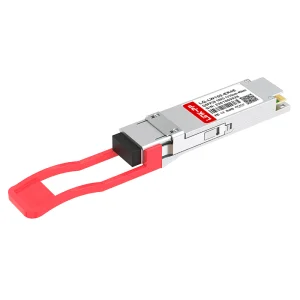
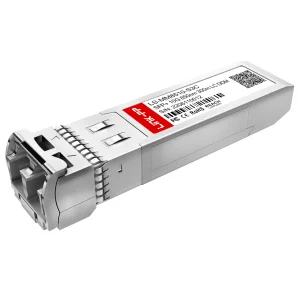
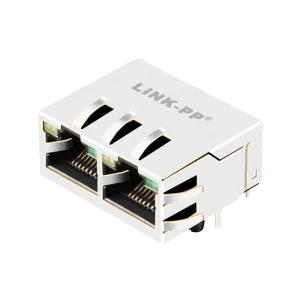
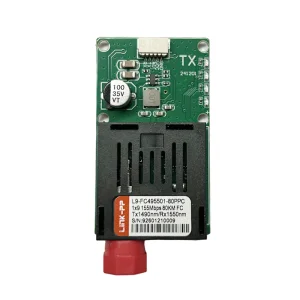
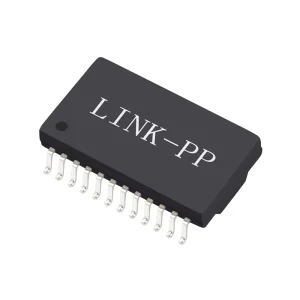
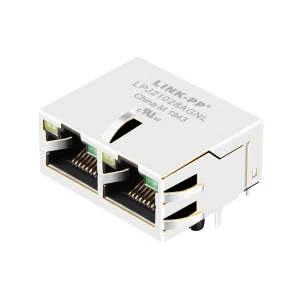
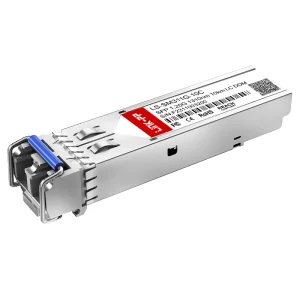
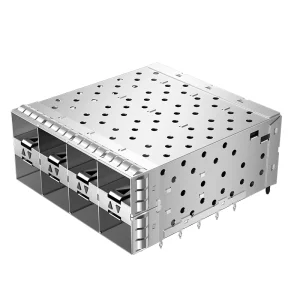
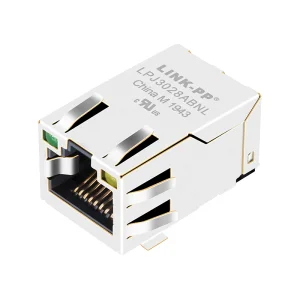
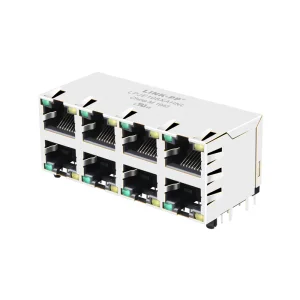
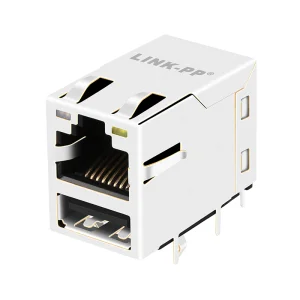
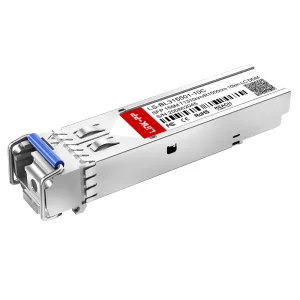
Explore our top-performing transceivers, ruggedized cages, and PCB jacks designed for minimal signal degradation and high EMI suppression.
In modern industrial and telecommunication architectures, physical-layer integrity is the bedrock of system operational continuity. FiberQ Photonics Technology Co., Ltd. (founded in 2015) has established itself as an engineering-centric pioneer in specialized connectivity systems. Our core focus centers on developing high-performance fiber optic transceivers, structured Ethernet interfaces, and advanced photonic solutions.
As networks scale to support massive multi-gigabit throughputs, the vulnerability of structural connections to ingress, vibrations, and structural stress escalates. This is where our RJ45 Overmolded Connector technology excels. By deploying precision-engineered thermoplastics directly onto the wire-to-connector interface, we eliminate the physical vulnerabilities of standard field-termination methods, establishing a monolithic barrier against harsh environments.
"We do not just construct connectors; we build physical-layer guarantees. Through severe mechanical strain-relief testing and automated optical diagnostics, we achieve unparalleled lifecycle metrics across sub-sea, medical, and heavy industrial automation networks."
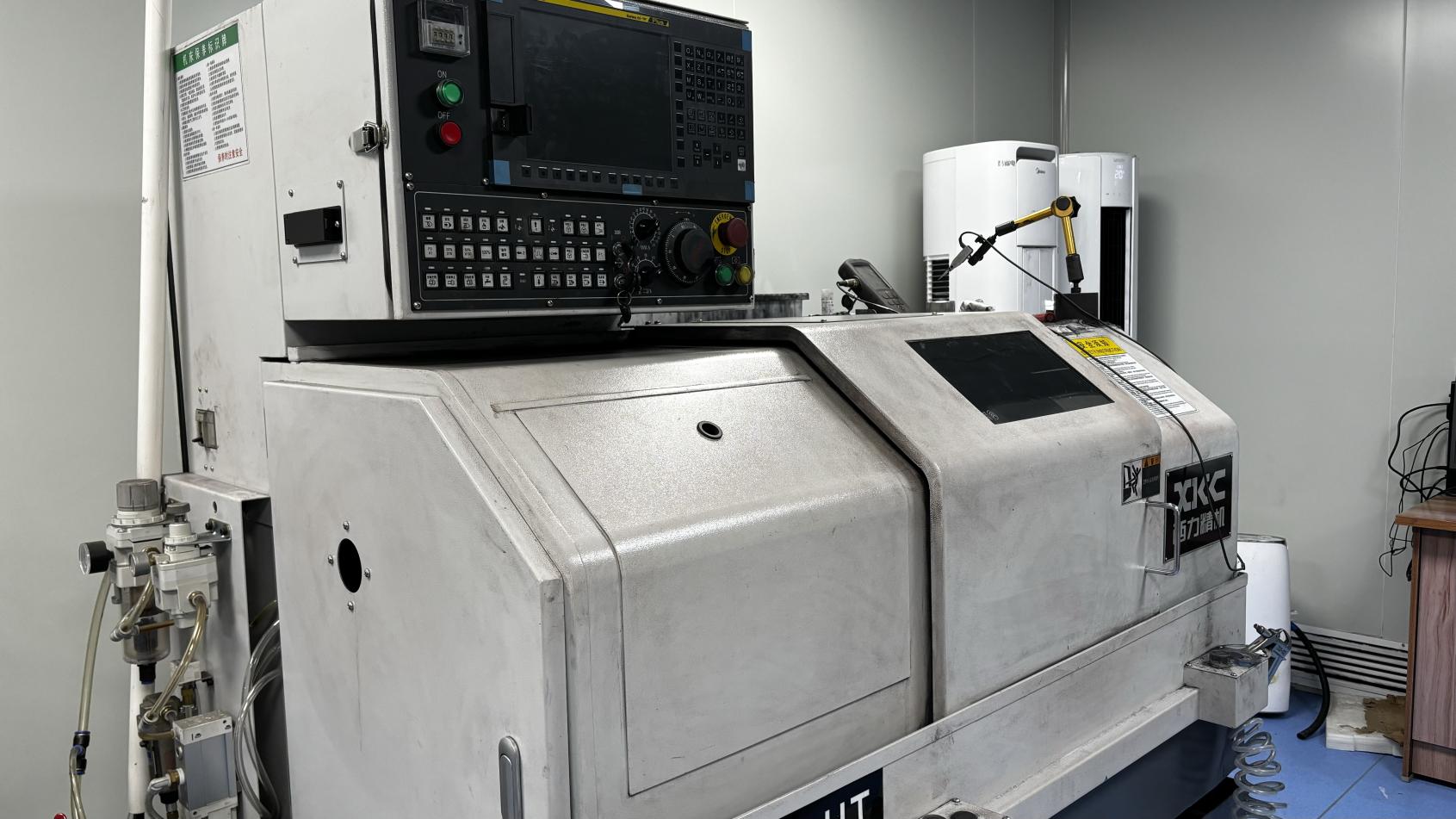
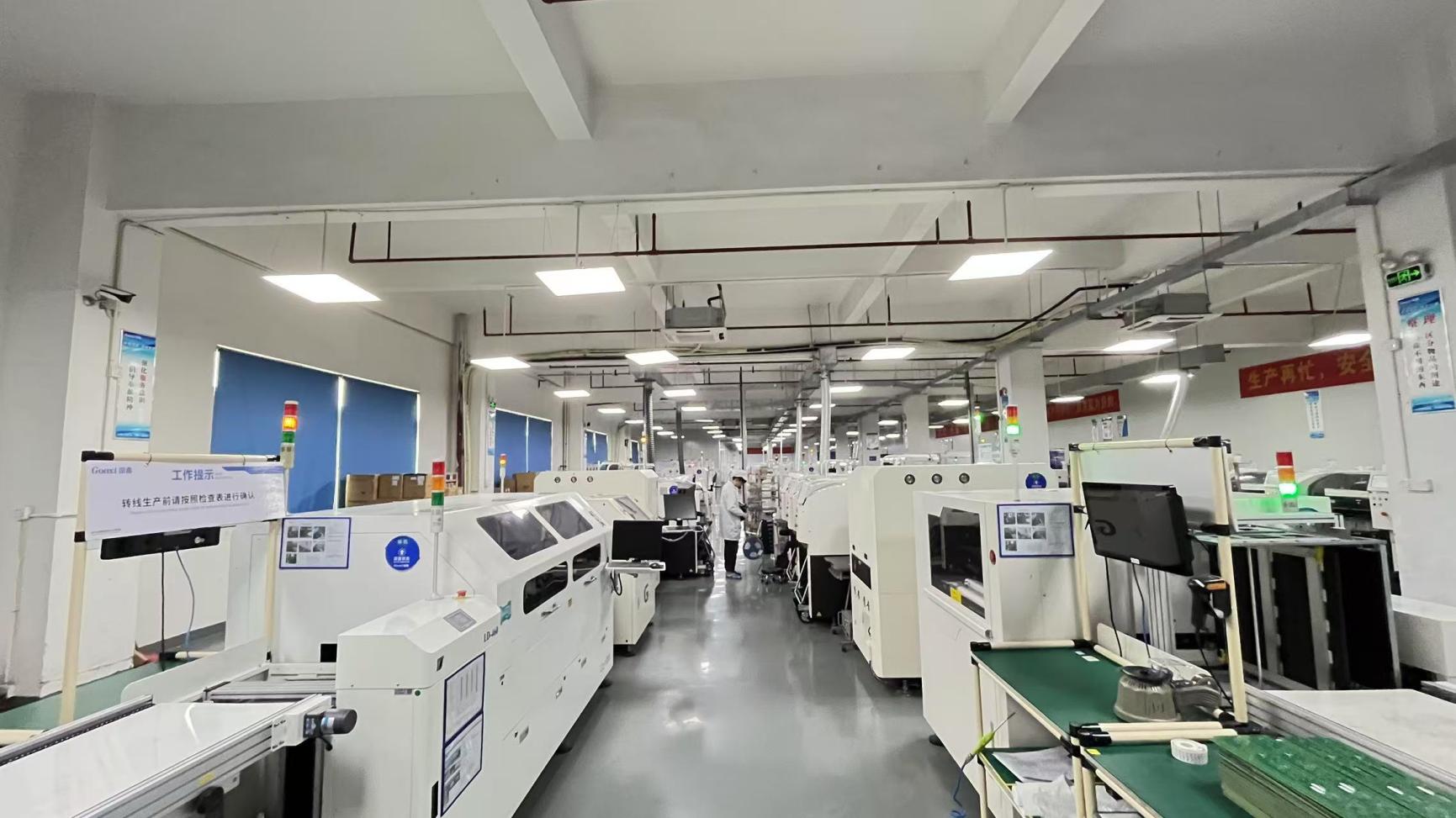
Understanding the mechanical, material, and electrical superiority of factory-sealed overmolded systems compared to field-assembly methods.
Utilizing high-grade thermoplastic elastomers (TPE, TPU, or PVC) injected at high pressures ensures all internal voids around the contacts, conductors, and strain-relief boots are completely encapsulated. This protects the sensitive twisted-pair terminations from water entry, chemical exposure, and fine dust particles (IP67/IP68 rating compatibility).
Our overmolded RJ45 connectors integrate structured 360-degree internal metal shielding. This ensures continuous ground path connection from the cable shield directly to the PCB chassis, successfully mitigating near-end crosstalk (NEXT), far-end crosstalk (FEXT), and electromagnetic interference in high-density rack deployments.
Unlike standard boot designs that pinch the cable jacket under strain, overmolding chemically bonds the connector body to the outer cable sheath. This distributes bending stresses along a gradual, pre-engineered curve, achieving over 10,000 bending cycles without electrical degradation or jacket tearing.
| Performance Parameters | Field-Assembled RJ45 Connectors | FiberQ Overmolded RJ45 Connectors | Test Standard Compliance |
|---|---|---|---|
| Ingress Protection Rating | IP20 (Typical indoor only) | IP67 / IP68 (Dust-tight, continuous immersion) | IEC 60529 |
| Bending Lifecycle (90° Flex) | ~500 Cycles before jacket slip | > 10,000 Cycles without degradation | EIA-364-41C |
| Shield Continuity & EMI Protection | Variable, hand-crimped drain wire | Continuous 360° inner metal shell encapsulation | CISPR 22 / FCC Part 15 |
| Tensile Strength (Pull force) | < 50 N before termination failure | > 150 N (Integrated molecular bonding) | IEC 60512-9-1 |
| Signal Loss (NEXT & Return Loss) | Susceptible to assembly skill variation | 100% factory swept & certified Cat6A/Cat8 | ANSI/TIA-568.2-D |
How our overmolded interconnect assemblies support diverse critical infrastructures, meeting local environmental challenges.
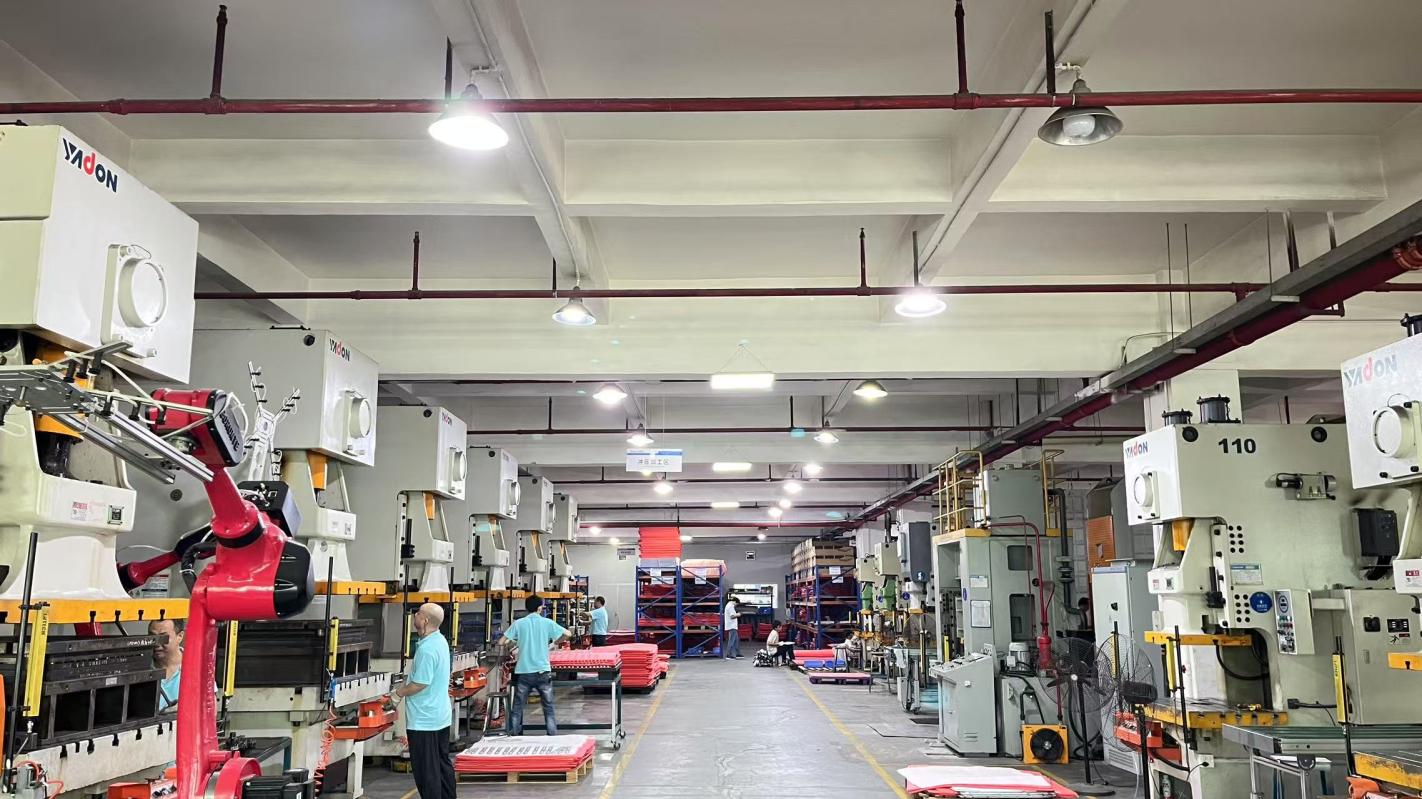
In highly automated manufacturing environments, high-frequency physical movements of robotic arms place intense structural fatigue on interconnect points. FiberQ's overmolded RJ45 cables provide high torsional flexibility. With robust lock-tab configurations and oil-resistant PUR overmolds, our connectors resist degradation from lubricants, sparks, and localized thermal shifts.
External surveillance and wireless nodes are continuously exposed to rain, humidity, UV radiation, and high winds. Standard plastic connectors degrade under UV exposure within months. Our localized formulations for North American and European municipal grids utilize UV-stabilized polyurethane and specialized halogen-free materials to guarantee a service life exceeding 10 years without micro-cracking.
Saline air and constant mechanical vibration degrade physical layer contacts rapidly through galvanic corrosion. We apply hard gold plating (50 micro-inches) on our contact pins, coupled with tight silicone sealing gaskets. This configuration is widely deployed across transit monitoring networks in Japan and offshore setups in the North Sea, ensuring consistent Gigabit performance.
Ensuring business continuity, high technology readiness levels (TRL), and localized compliance across international borders.
As edge computing demands 25G/40GBase-T speeds at short distances, our R&D team is standardizing Cat8-compliant overmolded RJ45 solutions. These units maintain rigorous insertion loss budgets and structural shielding, pushing the boundaries of copper-based physical networks.
Our operations leverage a network of over 1,450 vetted upstream component partners in China's industrial zones. This deep integration allows us to secure raw materials (highly conductive copper alloys, performance-grade polymers) and precision molds quickly, sheltering our global clients from supply bottlenecks.
Environmental compatibility is non-negotiable. Our development pipeline incorporates Bio-based thermoplastic materials, which reduce carbon footprints by 30% while retaining high chemical resistance. We ensure fully documented compliance with EU RoHS, REACH, and UL94-V0 fire safety directives.
With an engineering pool of 240 R&D engineers, FiberQ does not just supply standard sizes. We support full custom tooling designs—ranging from right-angle 90-degree cable exit paths for tight spaces to custom color coding, locking mechanisms, and specialized pinouts for industrial control networks. Over 180 new products launched yearly demonstrate our commitment to keeping up with rapid market changes.
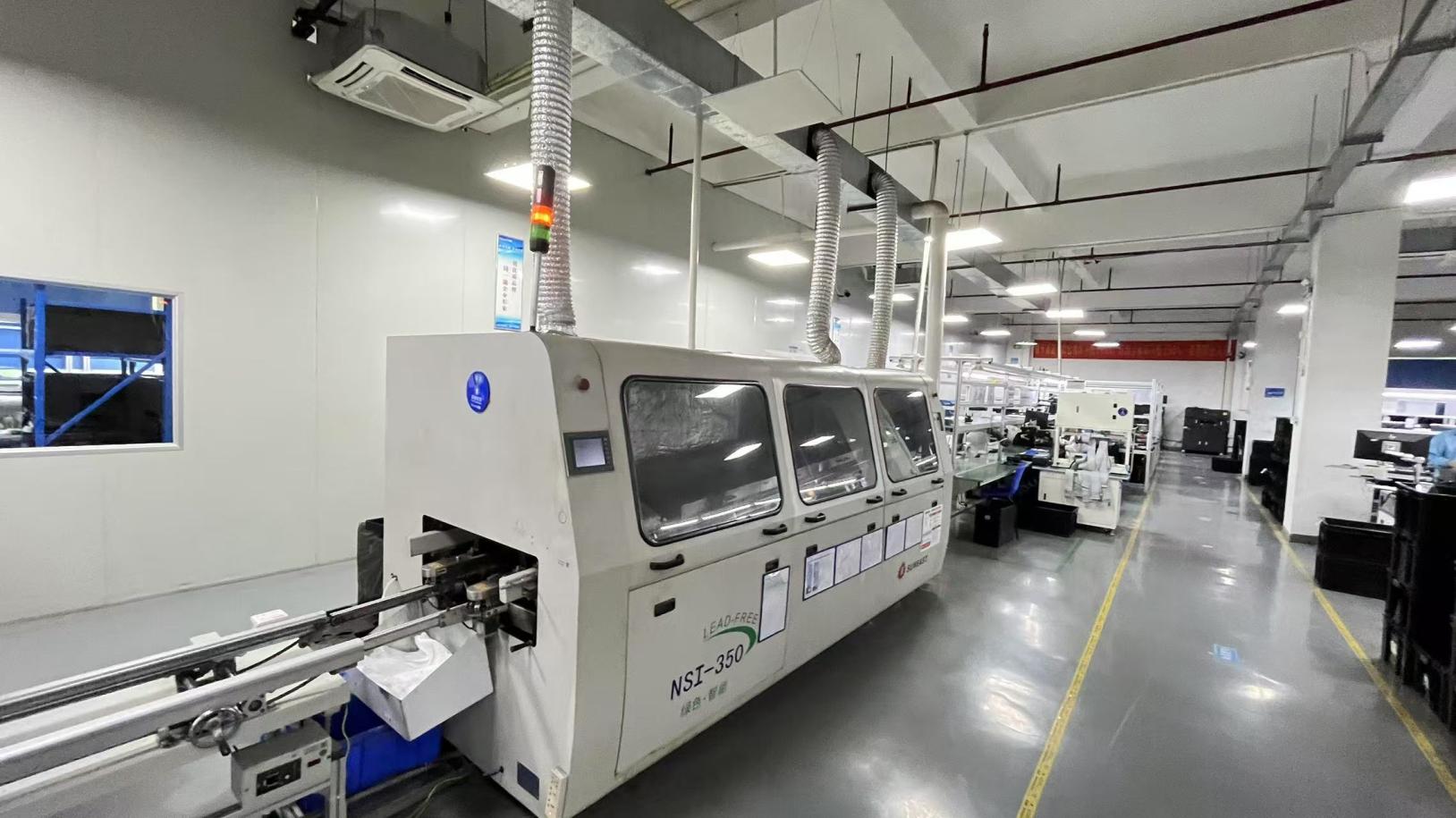
Our 12,600 square meter facility runs optimized assembly protocols under ISO 9001:2015 and ISO 14001:2015 oversight. With 62 dedicated quality control inspectors, we track raw materials from arrival to final shipment. We test for electrical continuity, insulation resistance, dielectric withstanding voltage, and physical parameters to keep our defect rate below 50 PPM.
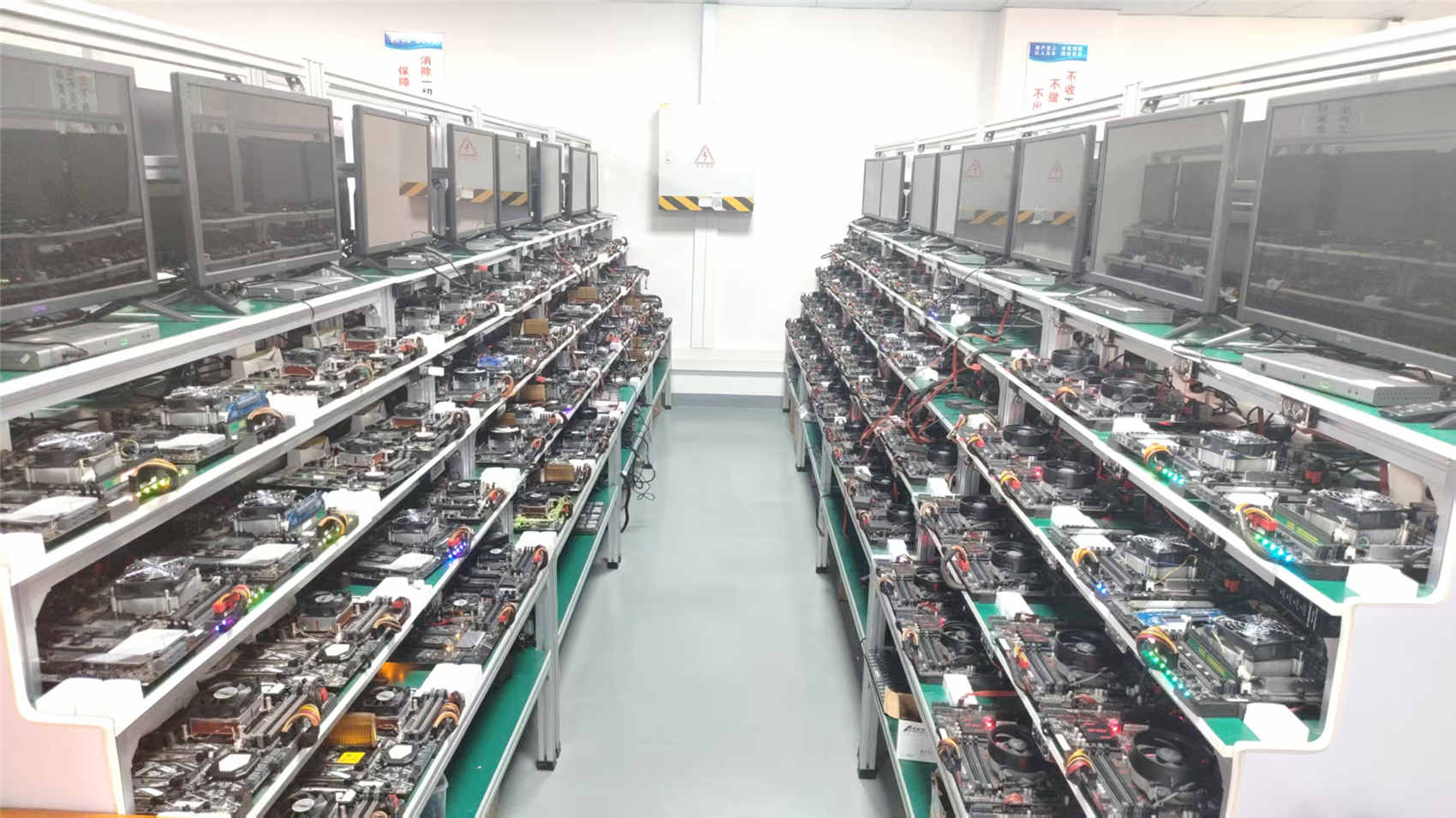
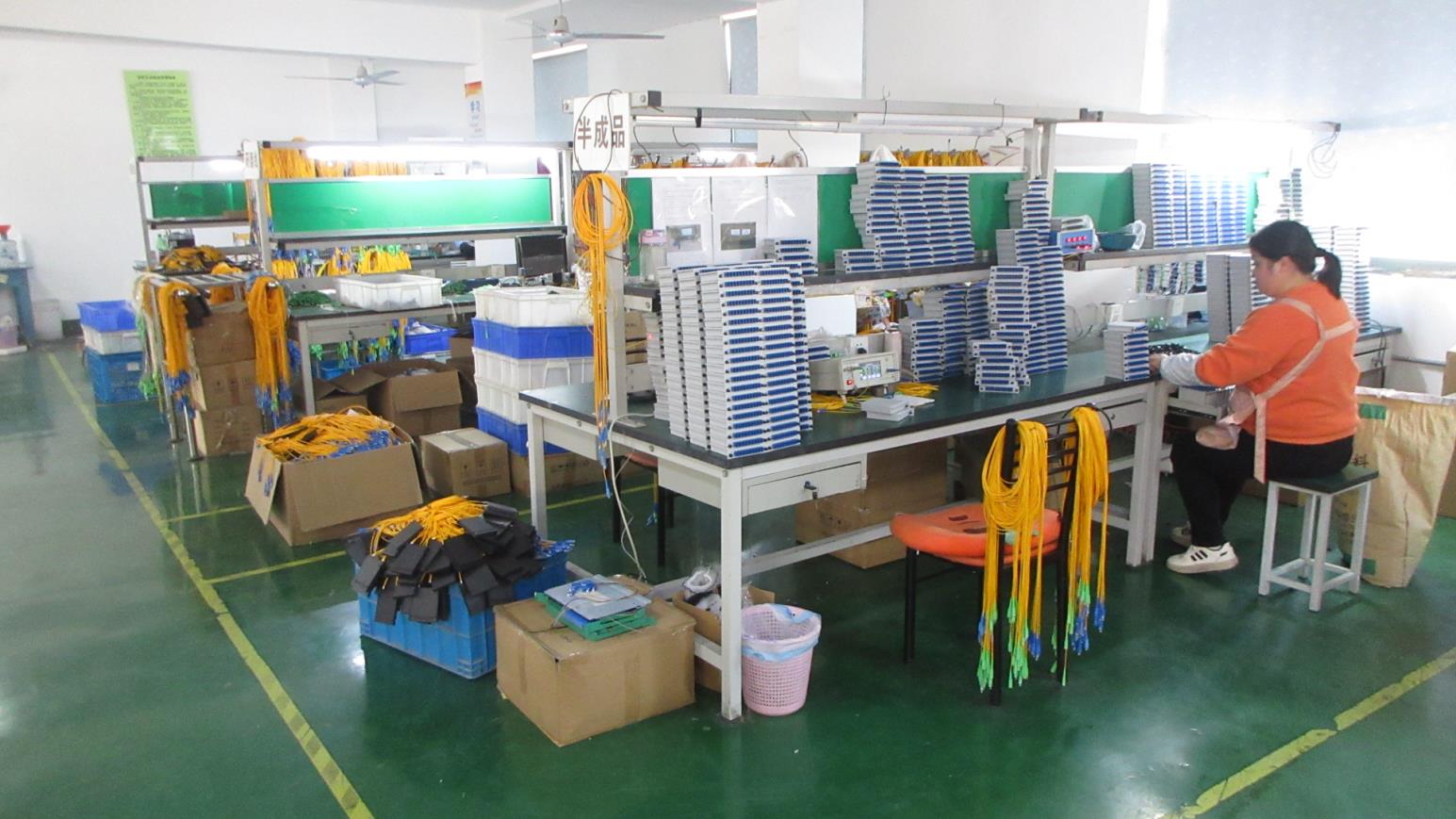
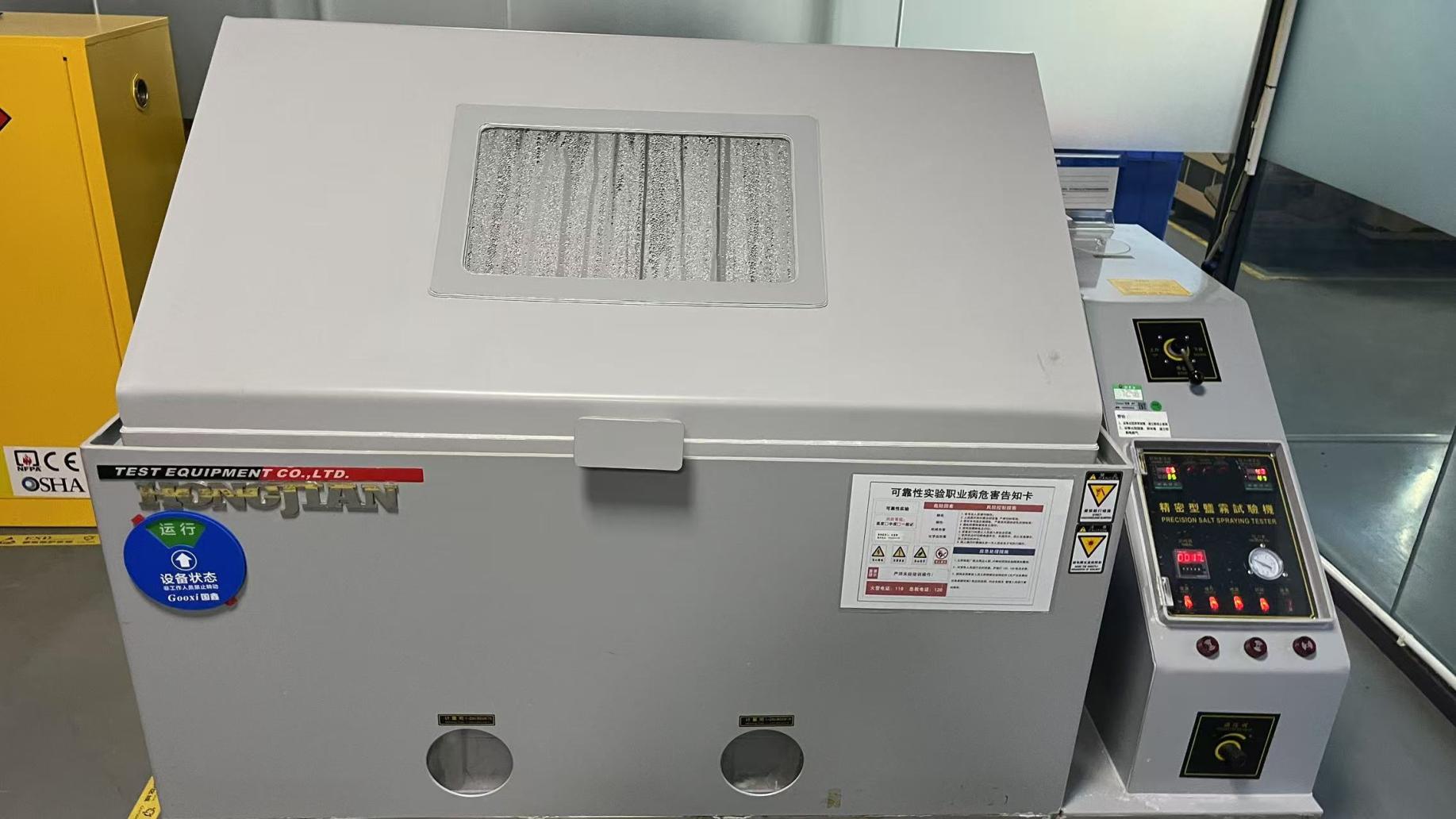
Every overmolded RJ45 assembly undergoes structured validation to verify reliability under severe conditions.
We test 100% of our high-speed overmolded patch cords for channel and patch cord compliance, measuring crosstalk, return loss, and shield integrity across operating frequencies up to 2000 MHz.
To verify seal integrity under water pressure, batch samples undergo physical submersion tests at 1.5 meters depth for 24 hours. They must maintain insulation resistance >100 MΩ at 500V DC.
Connectors are placed in environmental chambers and subjected to temperatures from -40°C to +85°C at 95% relative humidity for 1,000 hours, ensuring stability in extreme climates.
Expert answers addressing the design, material selection, and deployment of industrial overmolded RJ45 interconnect systems.
Complete your network layout with our high-reliability components, designed for long lifecycles and easy system integration.