FiberQ
FiberQ
FiberQ
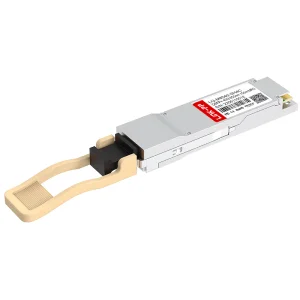
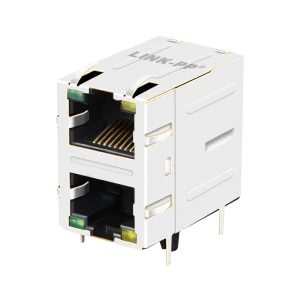
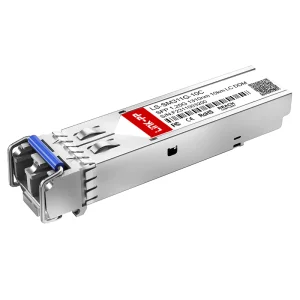
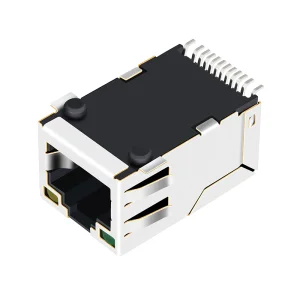
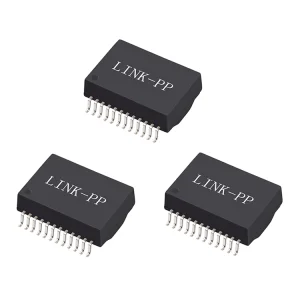
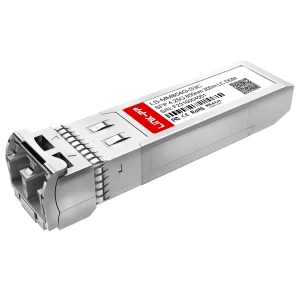
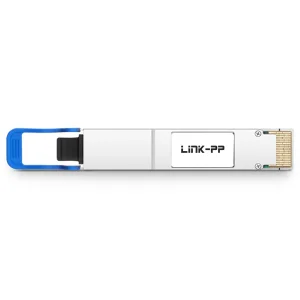
Explore our top-performing selection of optical transceivers and flexible RJ45 connector components designed for enterprise networking environments.
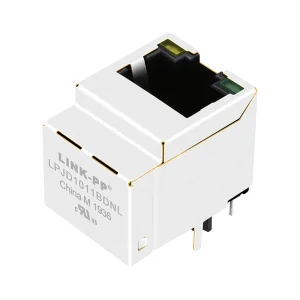
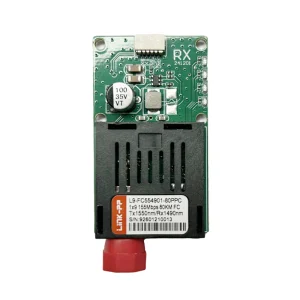
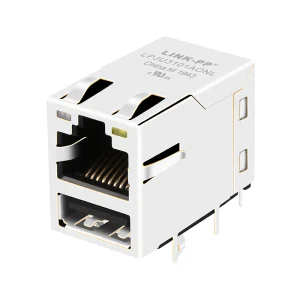
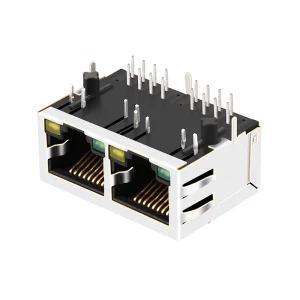
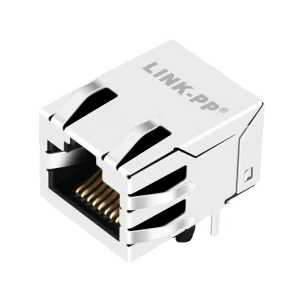
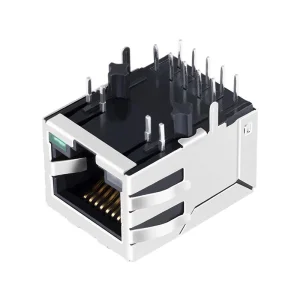
In modern telecommunications, data centers, and industrial IoT environments, signal reliability is paramount. A Flex RJ45 Connector is engineered to solve a specific, high-stakes physical networking challenge: delivering robust Ethernet connections in tightly enclosed spaces without causing cable stress, performance degradation, or connector wear.
Standard RJ45 connectors feature a rigid boot structure that forces Ethernet cables to protrude straight out from the port faceplate. This requirement often causes severe bend radii in shallow server enclosures, wall outlets, or industrial control panels. The resulting cable strain leads to internal conductor breaks, micro-cracks in shielding, impedance mismatches, and eventually packet loss. Flex RJ45 connectors alleviate this layout constraint by incorporating flexible boots, angled bodies, or multi-directional strain reliefs that safely bend up to 180 degrees without compressing internal wire pairs.
By mitigating mechanical fatigue, these specialized connectors maintain signal integrity up to Cat6A, Cat7, or even Cat8 specifications. They support high-bandwidth applications like 10GBASE-T, high-power PoE (Power over Ethernet), and low-latency networking, bridging the physical layer transition with maximum uptime.
Founded in 2015, FiberQ Photonics Technology Co., Ltd. has established itself as an authoritative manufacturer specializing in high-performance fiber optic transceivers, network modular connectors, and photonic communication systems. Our corporate infrastructure bridges high-speed optical transceivers with high-integrity copper connectivity solutions, satisfying the hybrid infrastructure demands of modern data centers and telecom networks.
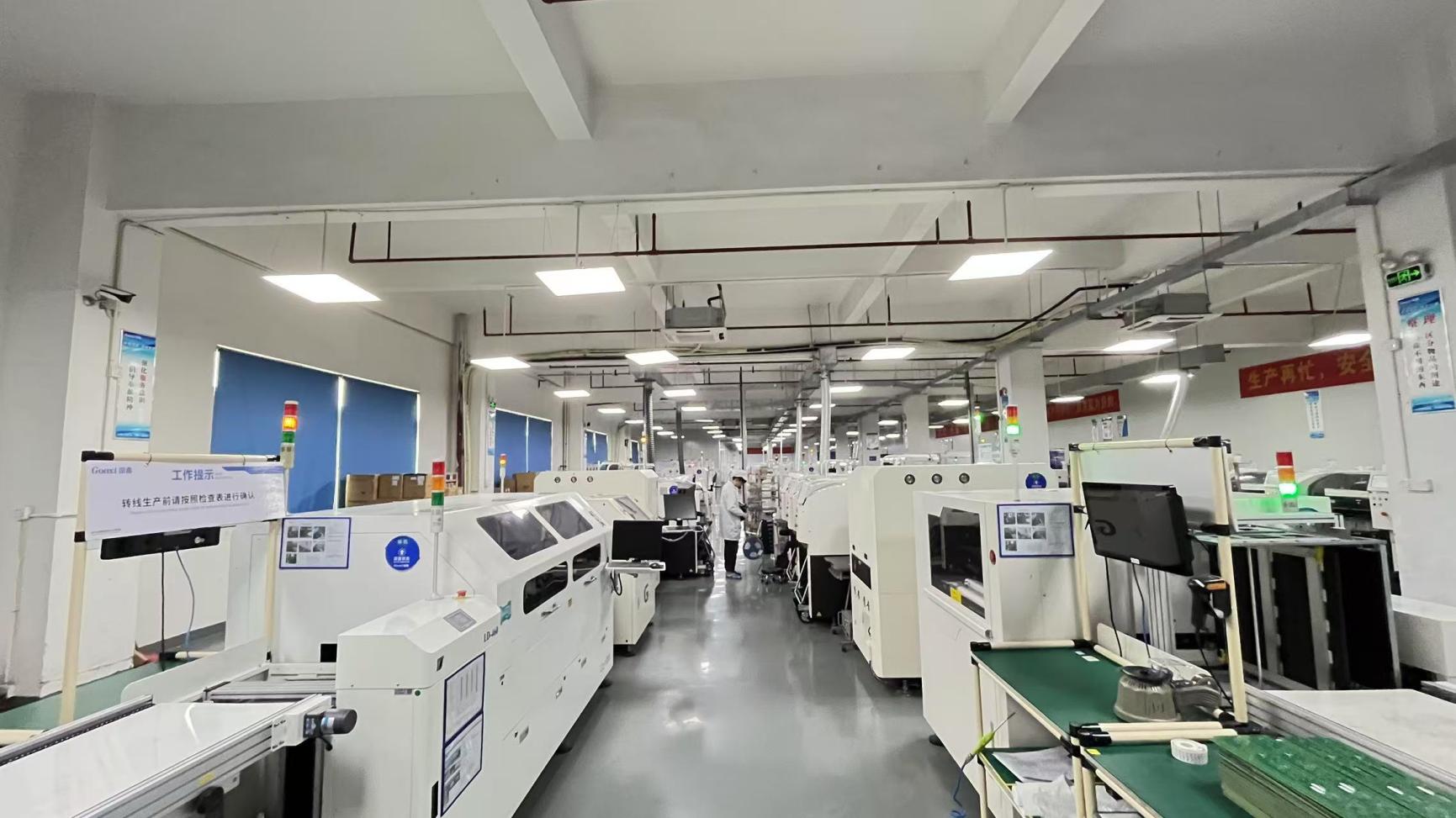
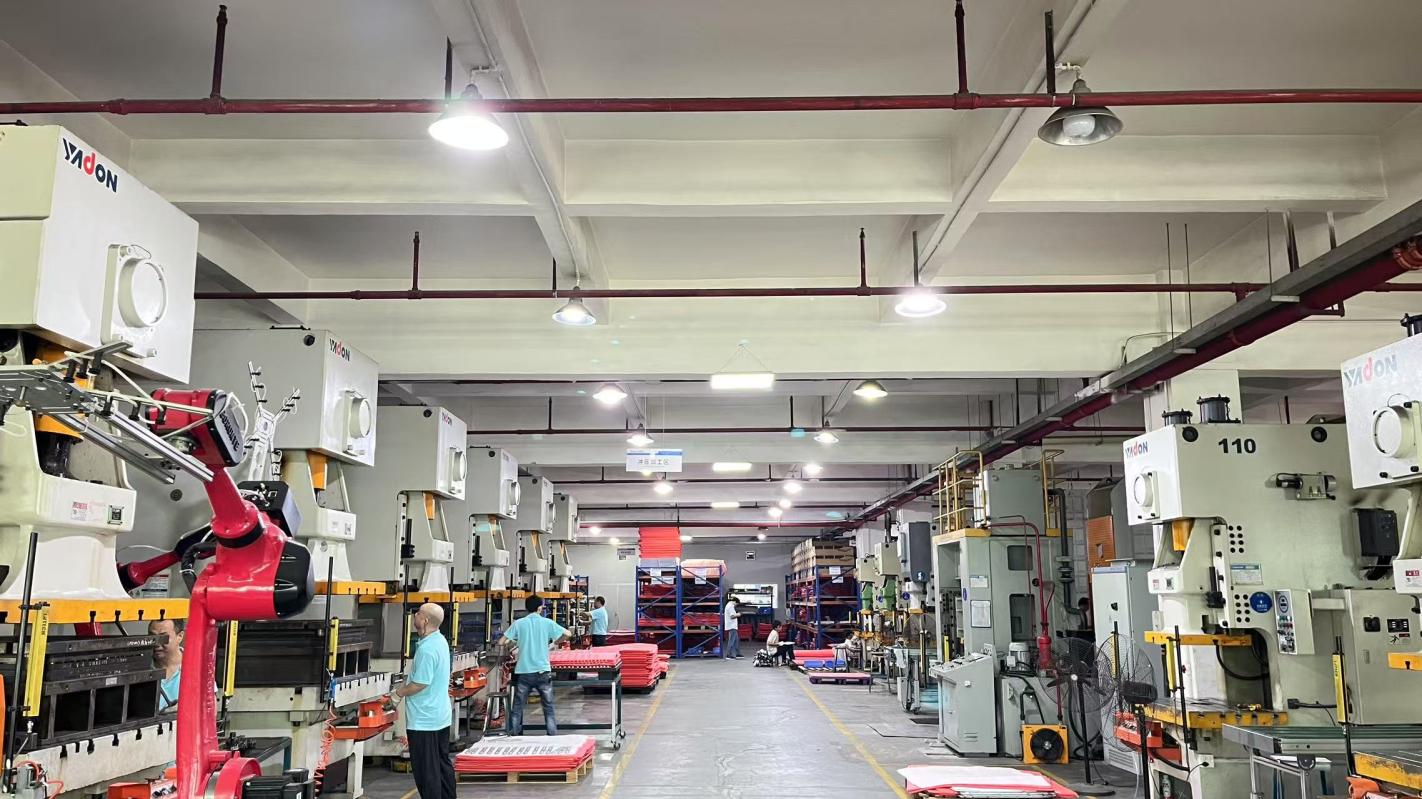
Operating from our state-of-the-art 12,600㎡ production facility, we incorporate automated optical performance testing, precision interferometric inspection, high-temperature aging chambers, and rigorous physical testing. Our 62 experienced quality control inspectors work around the clock to guarantee that every single shipment conforms to stringent international standards, minimizing defective rates to parts-per-million levels.
With an annual export revenue of approximately USD 9.5 million and active clients in North America, Europe, Japan, and Southeast Asia, we understand global trade compliances, logistics, and technical specifications. Supported by a robust engineering team of 240 R&D engineers, we consistently pioneer customized designs, introducing approximately 180 new products yearly to stay ahead of evolving signal standards.
"By integrating optical fiber backbones with resilient copper termination systems like Flex RJ45 connectors, FiberQ Photonics offers an end-to-end guarantee of physical layer performance, thermal efficiency, and protocol compatibility (100G to 800G paradigms)."
| Parameters | Specifications / Standards |
|---|---|
| Data Speeds Supported | 10/100/1000 Base-T, up to 10G / 40G Optic Paths |
| PoE Support | IEEE 802.3af (PoE), 802.3at (PoE+), 802.3bt (PoE++) |
| Housing Materials | High-Temp LCP, Shielded Nickel-Plated Brass, UL 94V-0 |
| Customization Options | Wavelength engineering, protocol tuning, layout adaptation |
| Main Exports | North America, Europe, Japan, Southeast Asia |
China's manufacturing hubs provide unprecedented advantages in material sourcing, high-speed automated assembly, and vertical integration.
Operating within China's primary industrial zones allows FiberQ to collaborate with over 1,450 supply chain partners. This dense network ensures access to premium raw materials—such as high-purity copper, specialized liquid crystal polymers (LCP), and gold plating materials—reducing lead times and insulating buyers from global material spikes.
Chinese factories have transitioned from simple contract manufacturing to high-tech co-development. Supported by 240 R&D engineers, we provide fast prototyping for complex board layouts, including vertical, horizontal, low-profile, or multi-port RJ45 configurations equipped with custom internal magnetics.
Automated assembly lines perform electrical, optical, and mechanical tests simultaneously. By running high-volume production, Chinese suppliers keep per-unit costs low while maintaining full compliance with CE, FCC, RoHS, and REACH directives, ensuring frictionless import into Western markets.
When sourcing Flex RJ45 connectors for critical infrastructure, design and procurement teams must evaluate key physical and electrical characteristics:
For Cat6A and higher protocols operating at frequencies up to 500 MHz, internal connector crosstalk (NEXT and FEXT) is a major contributor to transmission errors. Ensure the supplier utilizes multi-layered PCB designs within the jack to balance inductive and capacitive coupling, providing clean eye-diagram results on automated testing equipment.
In EMI-heavy industrial environments, unshielded connectors act as antennas, introducing RF noise into the signal path. Choose 360-degree wrapped brass housings with multiple grounding tabs. This design ensures consistent contact with the chassis grounding plane, maintaining a shielding path from the cable shield to the device cabinet.
Cheap connectors thin-plate their contact pins, resulting in wear and high contact resistance over time. Procurement specs should explicitly demand at least 50 microinches (50μ") of gold plating over a nickel underplate. This guarantees over 750 mating cycles and provides corrosion resistance in harsh, humid, or coastal conditions.
Flexibility in design allows these components to excel across diverse real-world installations.
When retrofitting old racks with modern, high-density switches, rear cable clearance is often restricted. An angled or flexible RJ45 connector routes patching cords downward or sideways immediately upon exiting the port, allowing cabinet doors to close securely without stressing the connection.
Robotic arms and dynamic CNC machines put cabling through constant motion. Regular connectors loosen under sustained vibration. A Flex RJ45, reinforced with a secure latch mechanism and a dynamic strain relief boot, distributes mechanical force to prevent intermittent link drops.
Commercial LED screens, outdoor signage, and slim wall-mounted smart TVs require low-profile connectors. Standard cables push the display away from the wall. A 90-degree flex boot routes cables parallel to the chassis, reducing mounting depth requirements.
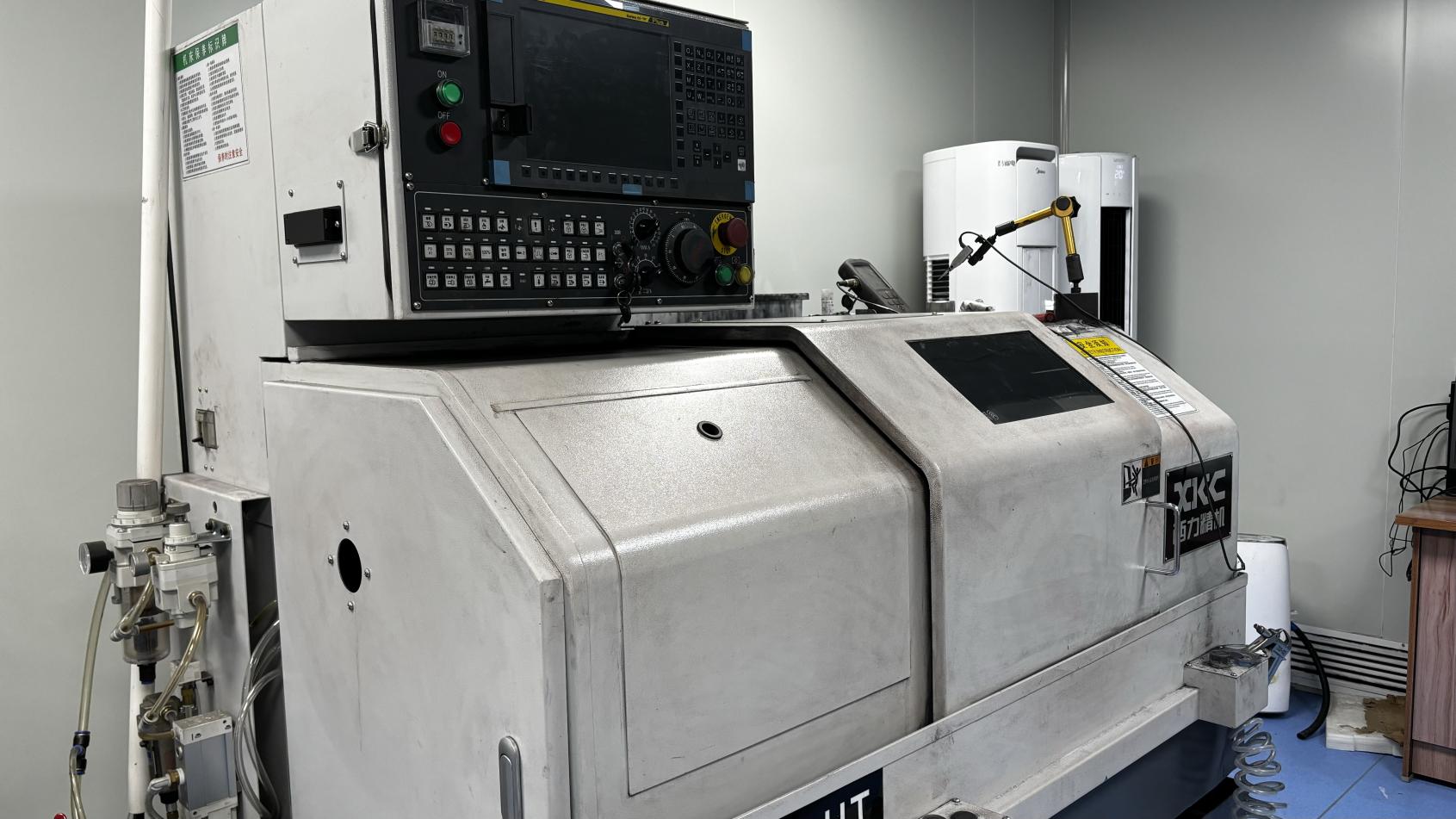
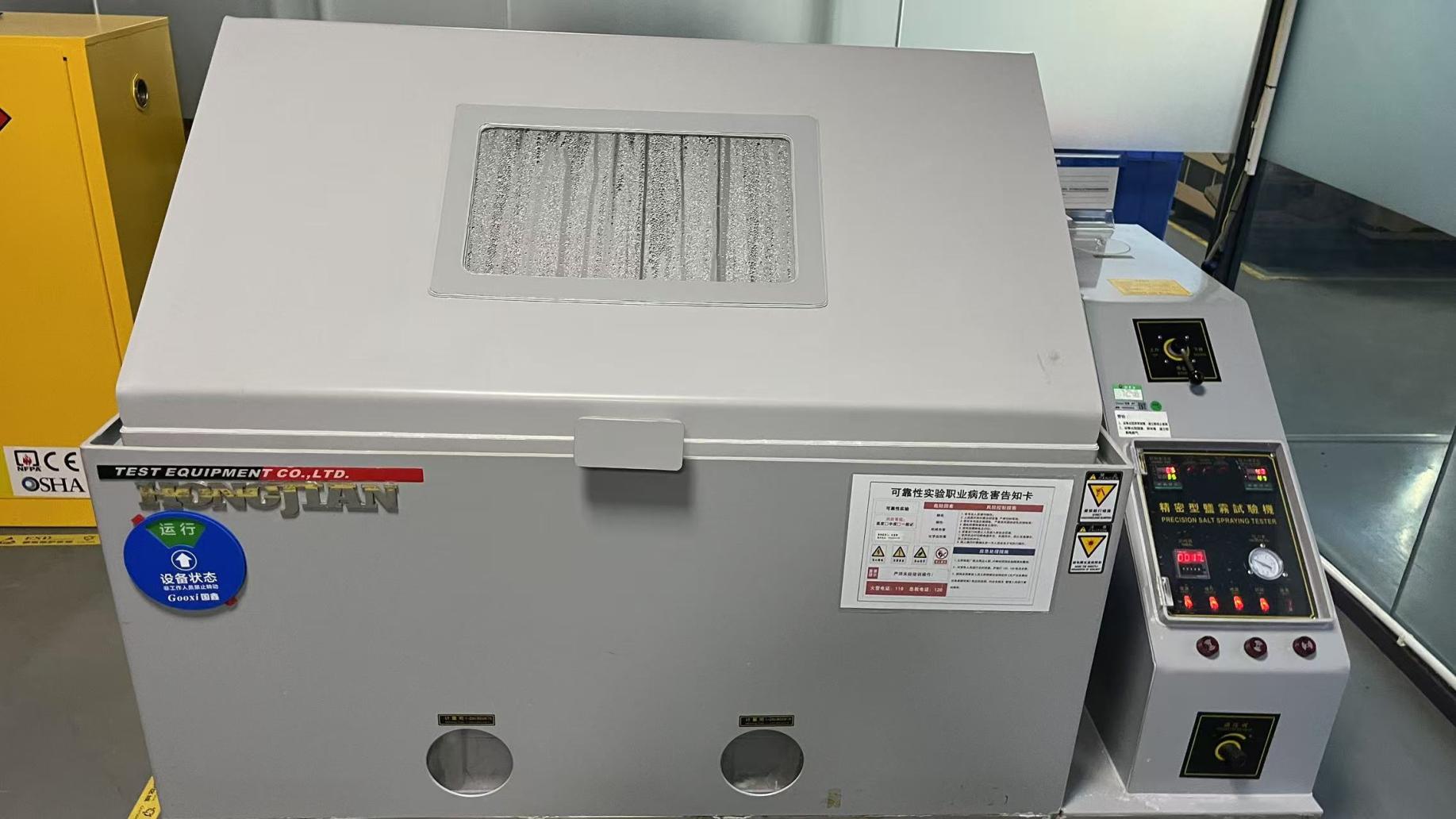
Take a look inside the production, inspection, and assembly phases that define FiberQ Photonics.
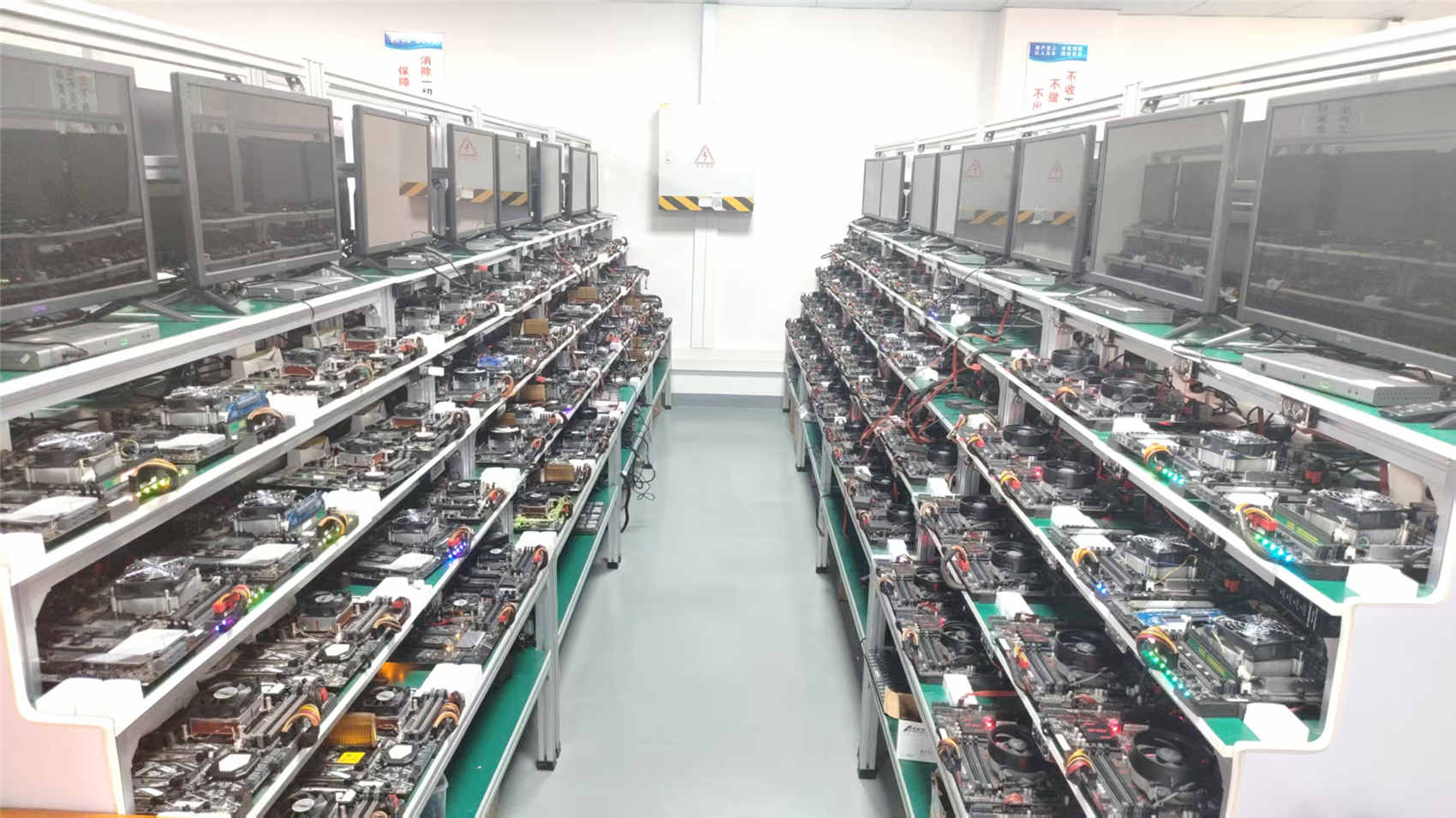
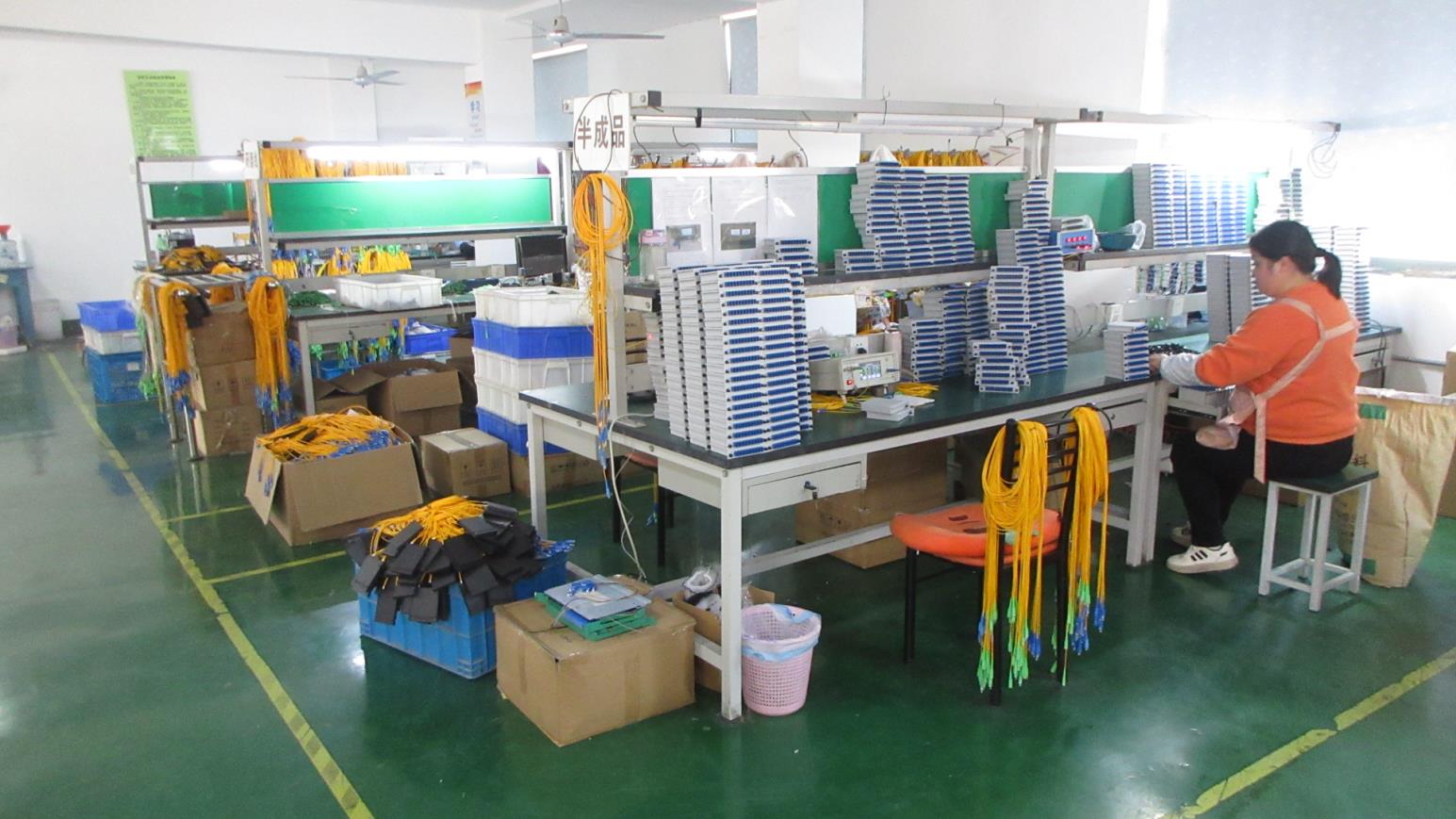
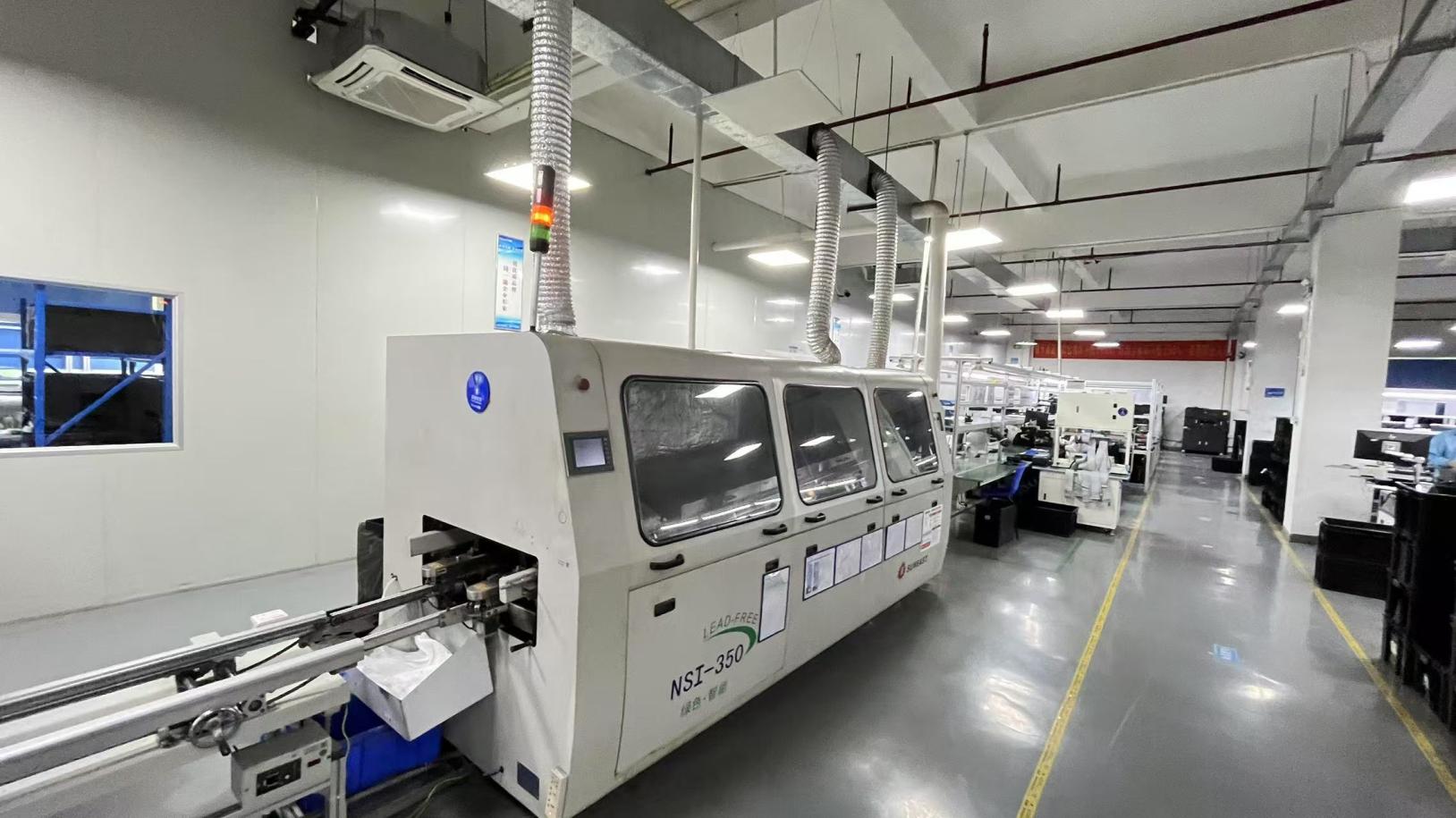
The landscape of hardware termination is evolving to match speed, power, and environmental expectations.
With the release of IEEE 802.3bt, Ethernet cables must now handle up to 90W of power. This current levels can cause spark arcing, which damages contact surfaces during disconnect under load. Modern Flex RJ45 connectors feature specialized contact zone geometry, ensuring that any arcing occurs away from the critical data transmission point.
Global guidelines like REACH and RoHS enforce strict rules regarding hazardous substances. Premium factories use Low Smoke Zero Halogen (LSZH) plastics for their connector bodies and strain relief boots. In the event of a fire, LSZH materials reduce toxic gas emissions, helping protect technicians and critical equipment in confined data rooms.
Get answers to critical technical questions regarding the configuration, deployment, and validation of high-performance connectors.
A Flex RJ45 connector features an adjustable boot or angled body that can bend up to 180 degrees. This prevents cable fatigue and keeps the bend radius within safe limits, avoiding copper strain and impedance issues in tight physical spaces.
Gold plating protects copper contacts from oxidizing and wearing down over repeated mating cycles. While consumer jacks use thin flash plating, industrial connectors require 50 microinches (50μ") of gold to withstand over 750 insertion cycles in humid or harsh environments.
Yes, provided they are rated for high-wattage transmission. The connector pins and internal PCB must be designed to handle up to 90W (under IEEE 802.3bt) without overheating or experiencing contact erosion due to electrical arcing when disconnected.
Top-tier factories use automated testing equipment (ATE) to verify insertion loss, return loss, and near-end crosstalk (NEXT). They also perform mechanical testing (such as pull force and mating cycles) and environmental testing (such as salt spray and high-temperature aging).
Yes, our high-speed connectors are engineered to maintain shielding and internal wire geometry. This design meets Cat6A (10 Gbps at 500 MHz) and Cat8 (40 Gbps at 2 GHz0 specs, keeping signal reflection to a minimum.
Our 240 R&D engineers can customize protocol compatibility, mechanical dimensions, shielding configurations, and thermal dissipation, ensuring seamless integration with your network equipment.
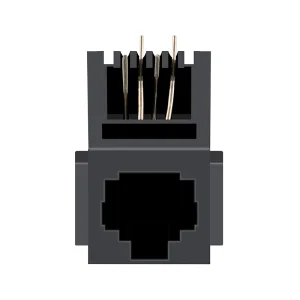
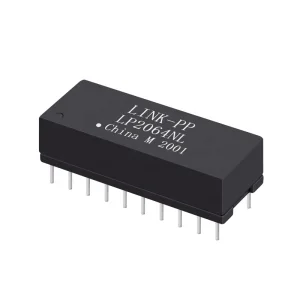
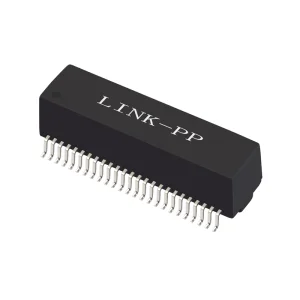
Our extended catalog features premium magnetics, dual-port connectors, and advanced transceiver components for global networking applications.