FiberQ
FiberQ
FiberQ
Engineered for low signal loss, optimized crosstalk, and robust thermal performance in enterprise switching.
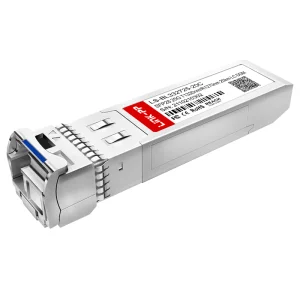
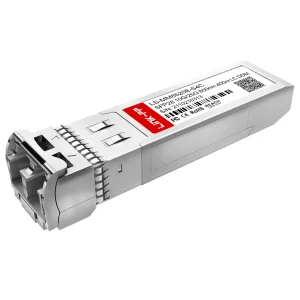
Modern telecommunications, edge computing infrastructures, and high-density data processing facilities demand flawless physical connection systems. The external RJ45 connector, alongside high-speed copper and optical interfaces, operates as the foundational pivot point for signals transiting complex data arrays. While optical fiber handles long-distance backhauls, robust copper connections remain highly relevant due to cost efficiency, PoE (Power over Ethernet) support, and local network architecture scalability.
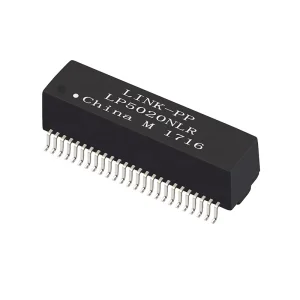
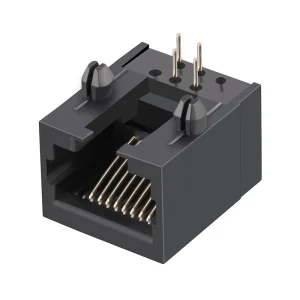
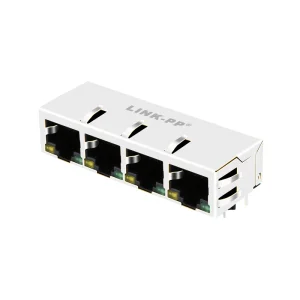
Selecting an external RJ45 connector manufacturer is no longer simply about bulk ordering standard parts. Industry requirements now focus on exact electrical metrics, signal shielding parameters, and structural integrity. Signal attenuation, return loss, and near-end crosstalk (NEXT) must be minimized to support Cat6a, Cat7, or even newer Cat8 architectures operating up to 40 Gbps. A high-quality manufacturer must employ advanced simulation tools, automated insertion processes, and comprehensive lab testing to verify impedance profiles and prevent signal degradation.
Why leading global integrators specify FiberQ engineering for critical networking architecture.
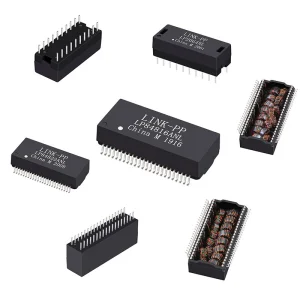
Integrated internal magnetic modules and full nickel-plated brass shells deliver outstanding electromagnetic interference containment and high ESD tolerance across high-density configurations.
Capable of supporting high data throughput rates (from 10/100 BASE-T to 10G copper setups), engineered to align perfectly with standard industry protocols.
Our dynamic OEM and ODM services support pin configuration adaptations, customized LED color layouts, visual lightpipe designs, and various heat sink setups.
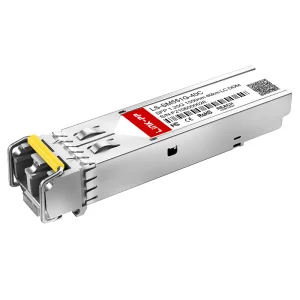
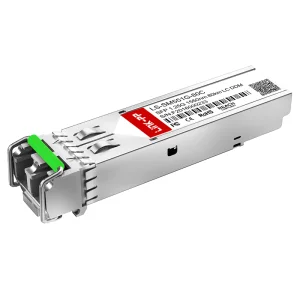
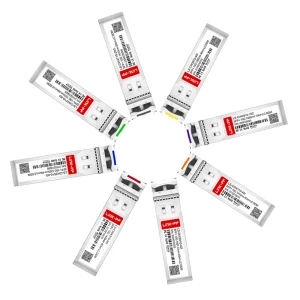
As corporate IT centers evolve, many businesses operate hybrid network environments where copper and optical fiber run side-by-side. FiberQ Photonics Technology Co., Ltd. addresses this transition by manufacturing both high-speed fiber-optic transceivers (supporting 100G, 200G, 400G, and 800G) and reliable copper components. This comprehensive range allows engineers to manage transition points, such as converting high-speed SFP+ ports to standard copper connections, with a single, trusted hardware supplier.
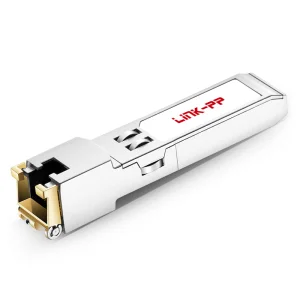
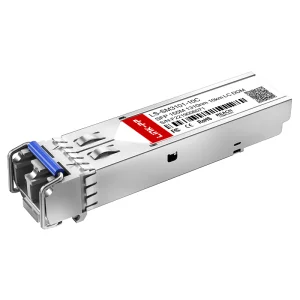
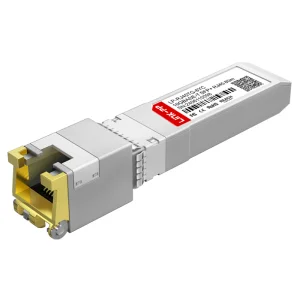
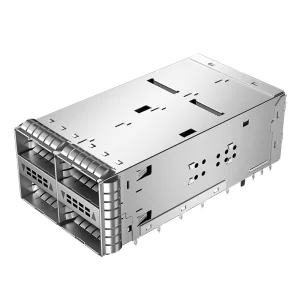
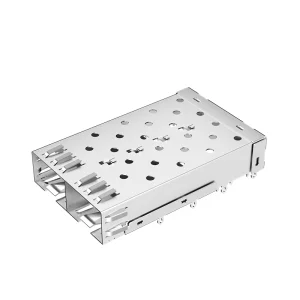
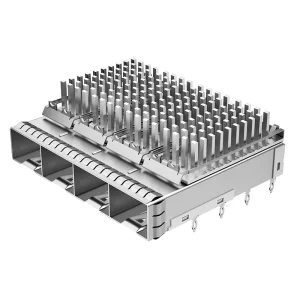
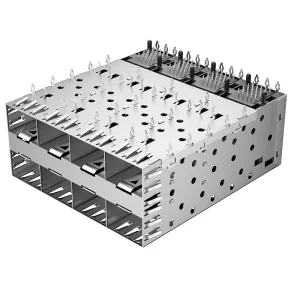
A key solution in modern telecom design is the 10G Copper SFP+ Transceiver Module, which enables standard RJ45 copper patch cables to connect directly into SFP+ cages. This design helps organizations extend the lifespan of their existing copper cabling systems without requiring a complete fiber upgrade. However, these modules present engineering challenges related to power consumption and heat dissipation. Standard optical SFP+ transceivers typically consume less than 1W, whereas a 10GBASE-T RJ45 transceiver can consume up to 2.5W. This highlights the importance of choosing cages equipped with integrated heat sinks to maintain proper thermal management.
Procurement teams at major cloud providers and telecom operators look for specific criteria when evaluating manufacturing partners. Product reliability, stable pricing, and steady lead times are crucial, but technical verification remains the top priority. Leading suppliers must provide documentation showing compliance with international standards. Key engineering requirements include:
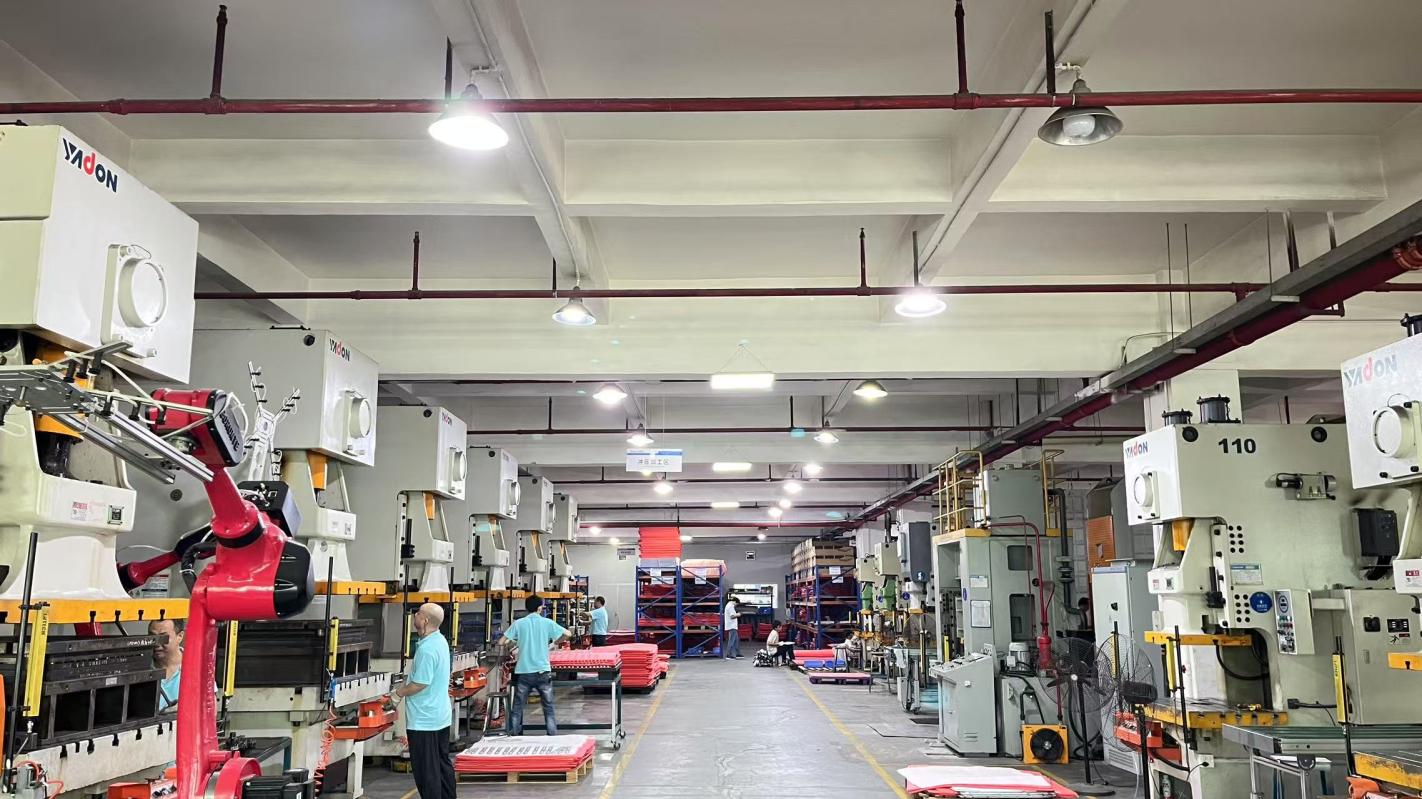
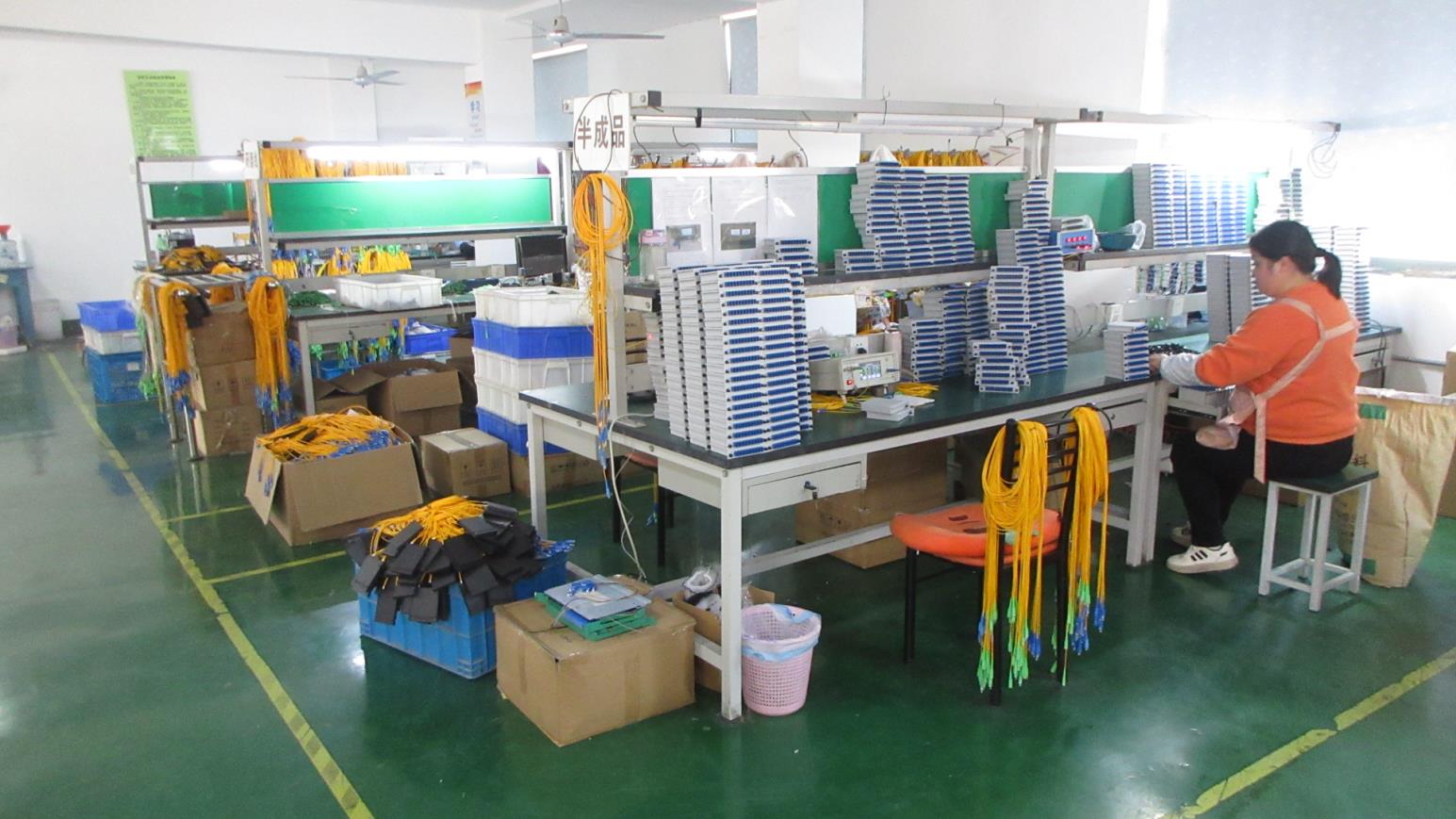
Founded in 2015, FiberQ Photonics Technology Co., Ltd. has developed into a reliable global supplier of high-performance fiber optic transceivers and advanced interconnect components. The company operates a modern 12,600㎡ manufacturing facility equipped with automated assembly machinery, high-precision optical alignment tools, and dedicated cleaning lines. This scale allows FiberQ to support high-volume production runs while keeping pricing competitive and lead times reliable for overseas buyers.
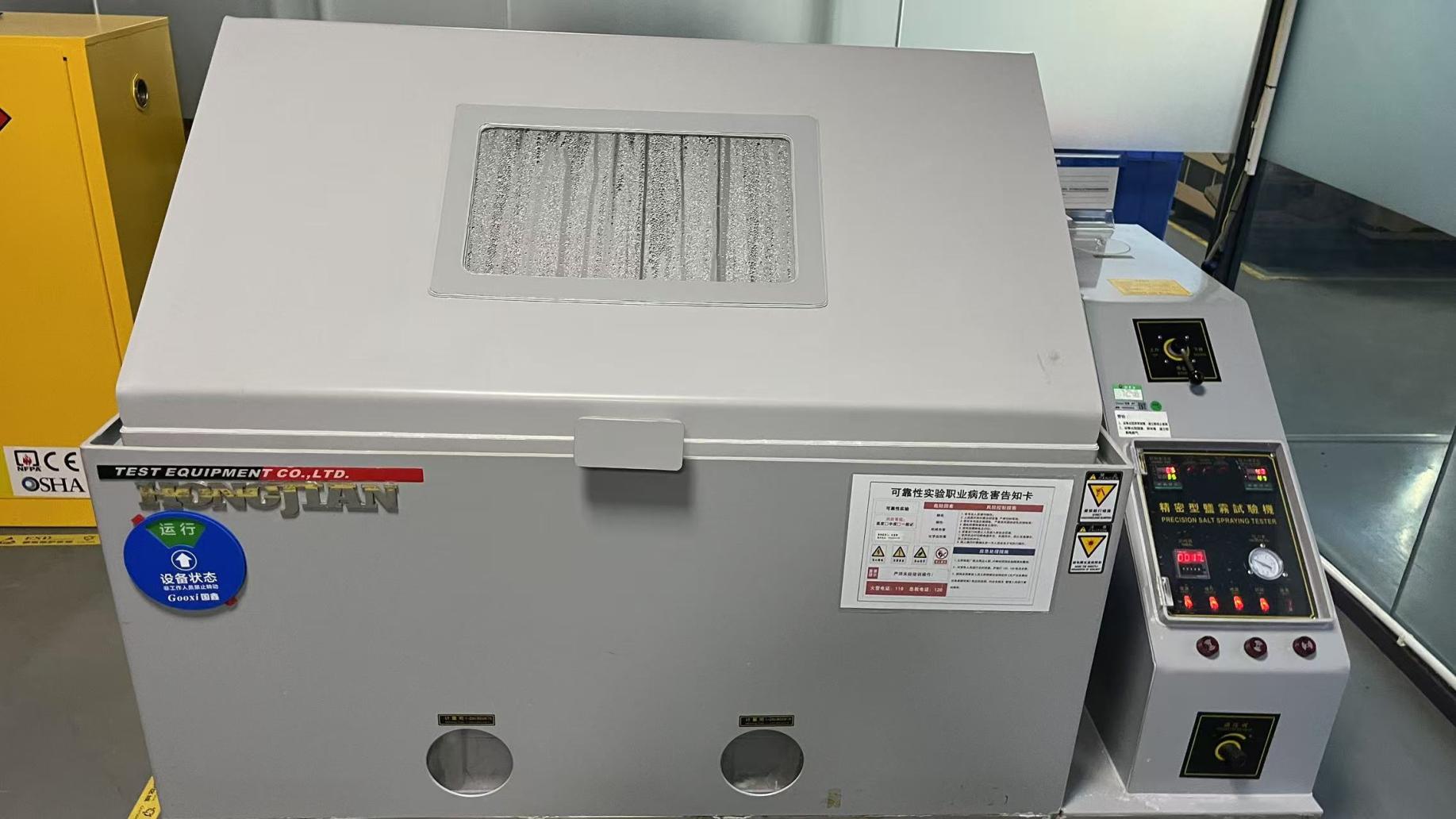
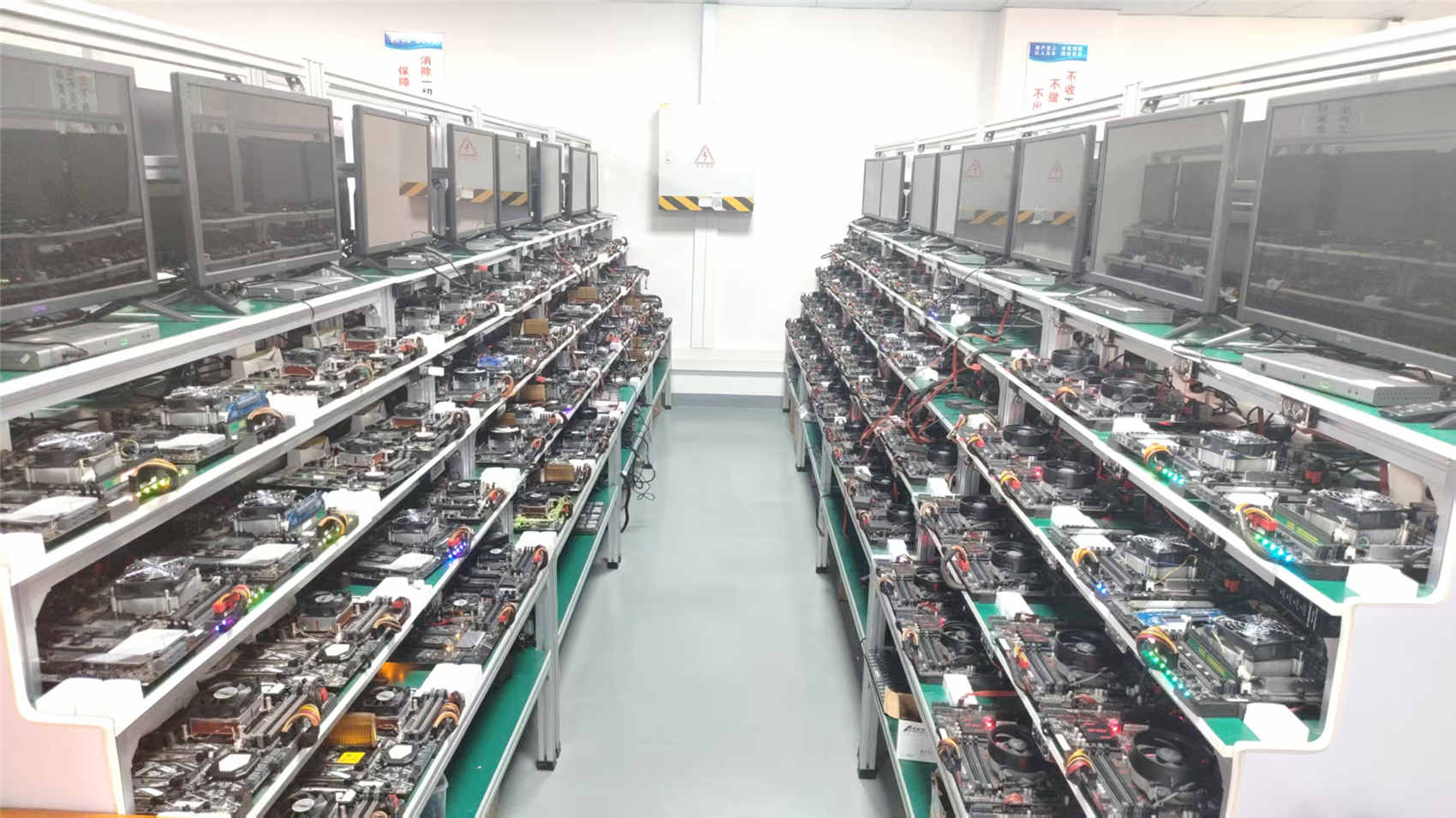
Quality assurance is embedded in every stage of the manufacturing process. Rather than relying on simple batch checks, FiberQ's QC process involves automated optical performance testing, interferometric inspection of connectors, high-temperature aging chambers, and final manual audits. A dedicated team of 62 experienced quality inspectors monitors production to ensure every component meets international standards and customer specifications before shipment.
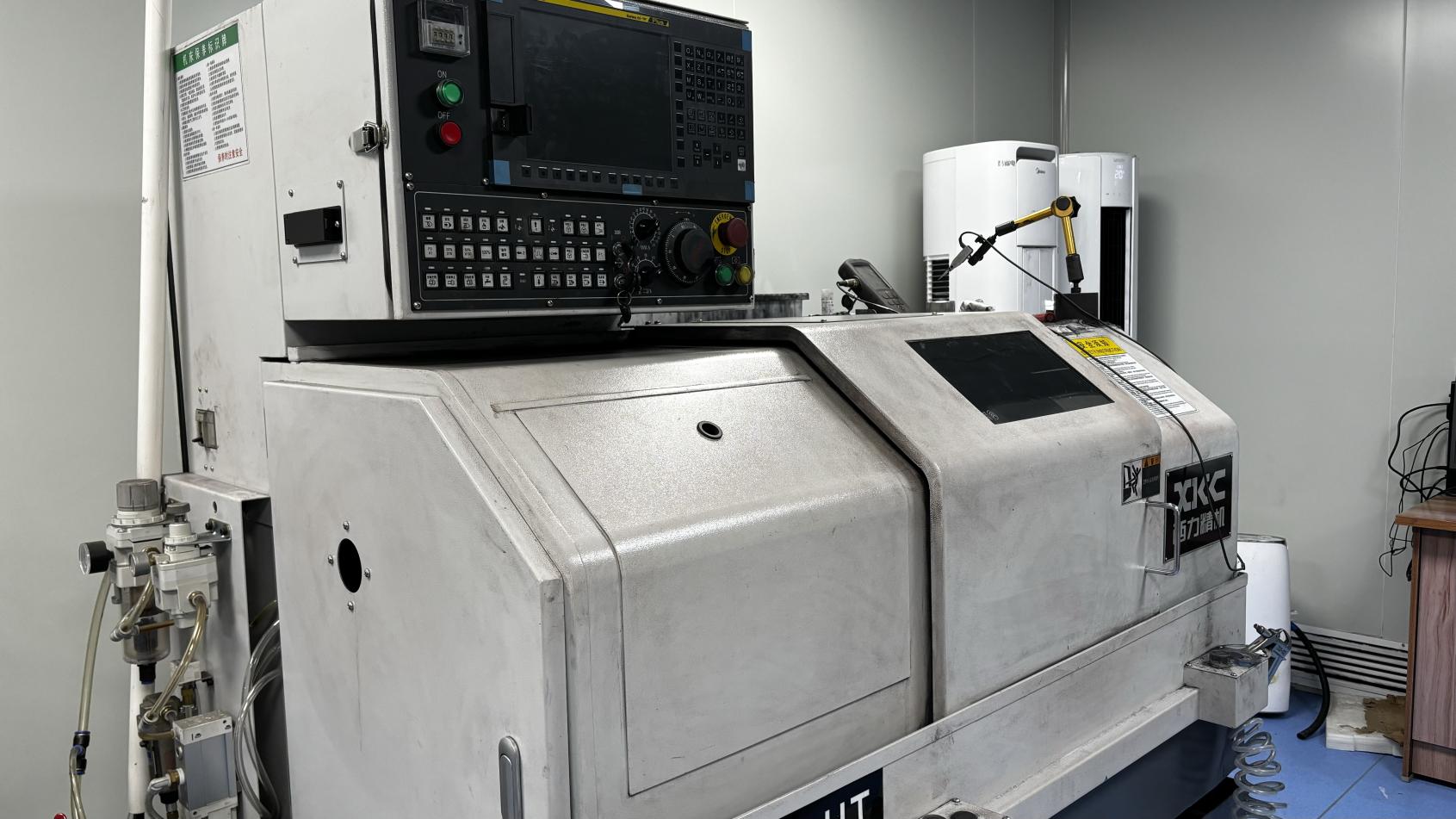
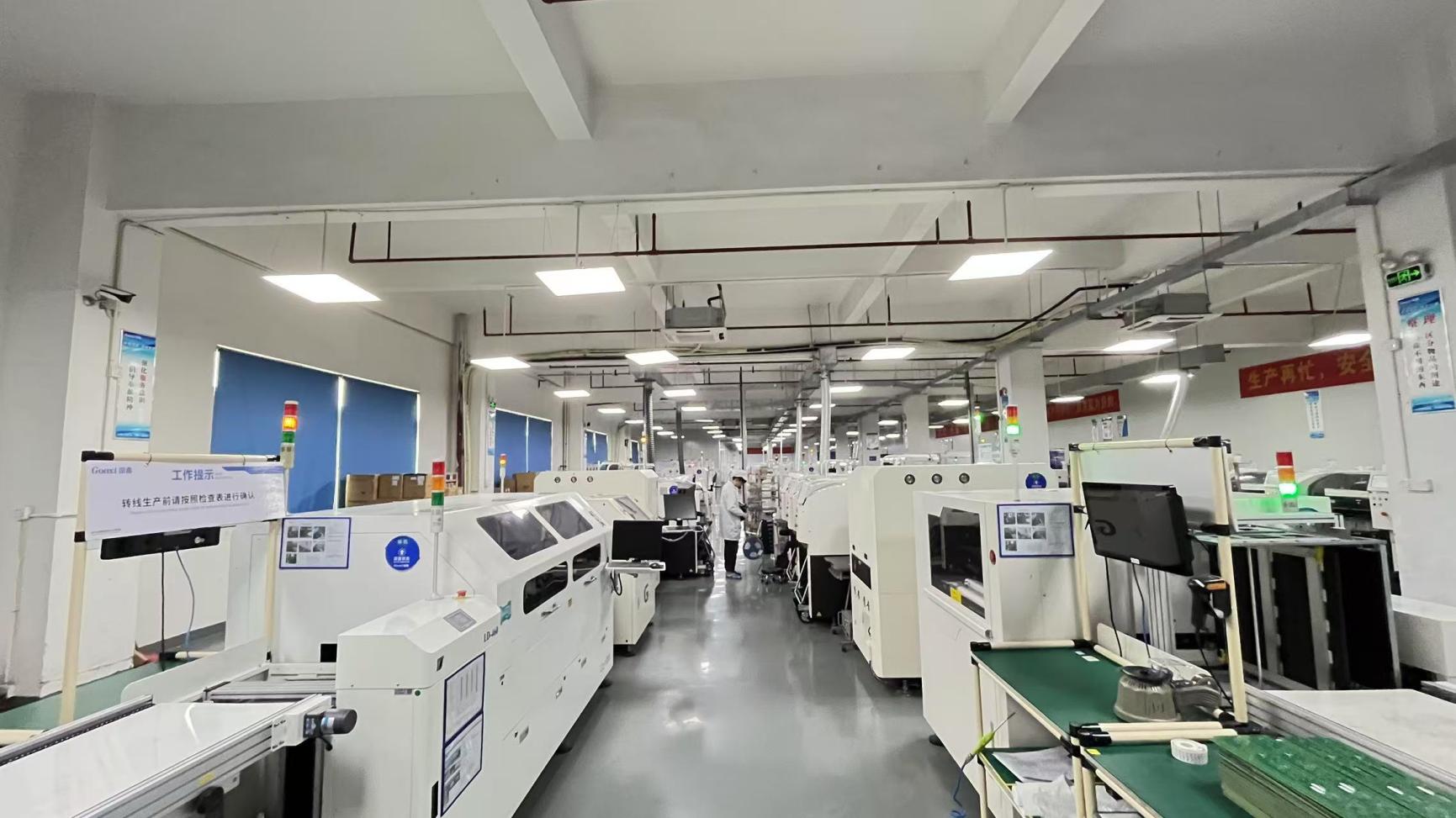
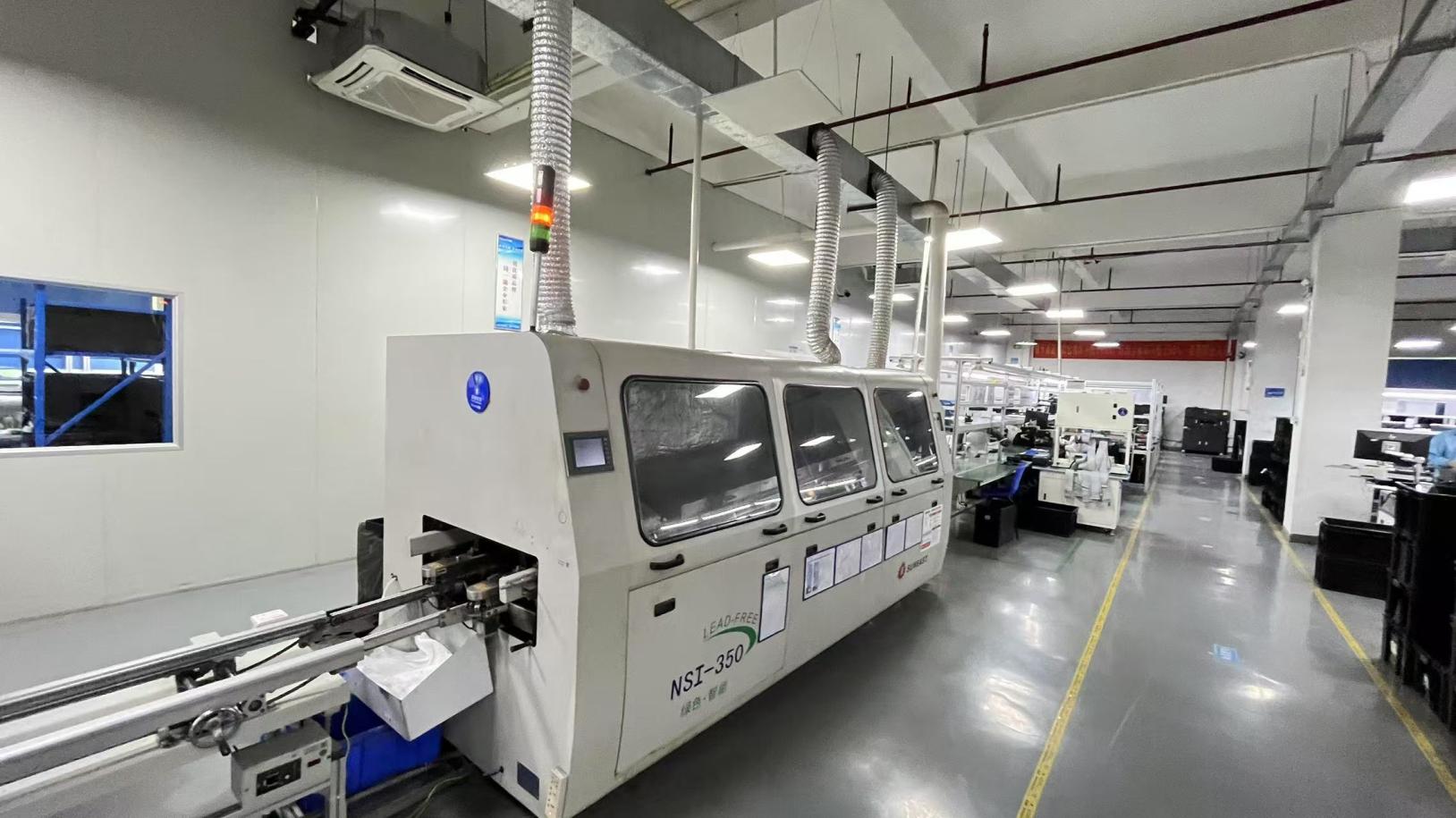
With an annual export revenue of approximately USD 9.5 million and 6 years of direct export experience, FiberQ serves customers in North America, Europe, Japan, and Southeast Asia. The company maintains long-term supply agreements with more than 1,450 partners, securing access to high-quality raw materials and critical electronic components. This robust supply chain helps protect clients from sudden market shortages and material cost fluctuations.
FiberQ's engineering team consists of 240 R&D engineers focused on optical design, signal integrity, thermal optimization, and high-frequency circuit layouts. The team handles complex customization requests, from modifying mechanical dimensions to adjusting compatibility parameters for major OEM networking brands. In the past year alone, FiberQ developed and introduced approximately 180 new products, keeping pace with shifting industry requirements.
For international buyers, regulatory compliance is a critical requirement. Exported products must meet target market environmental and safety regulations. FiberQ components are certified to comply with EU RoHS and REACH directives, ensuring that hazardous substances are kept below regulatory limits. The manufacturing plant also holds ISO 9001:2015 certification, validating that its quality management systems consistently meet international manufacturing standards.
The networking industry is moving toward higher speeds, smaller footprints, and lower power consumption. As edge computing and AI processing clusters expand, data rates at the local switch level are shifting from 10G to 25G and 50G copper connections. FiberQ is actively researching high-frequency electrical designs and next-generation shielding systems to support these evolving speeds over short distances. At the same time, the company is refining its 800G and 1.6T optical transceivers to support long-distance transmission for hyperscale cloud data centers.
Explore our robust SFP+ cages and long-range optical engines designed for stable enterprise networks.
Technical answers directly from FiberQ's hardware and optical design engineering departments.