FiberQ
FiberQ
FiberQ
Next-Generation Physical Layer Interfaces, Custom Transceivers & Industrial Networking Solutions
Explore our high-performance copper and optical components engineered for enterprise networking, telecommunication infrastructure, and extreme-density data applications.
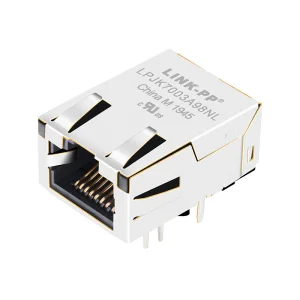
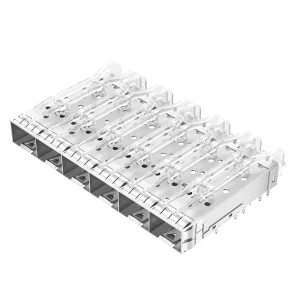
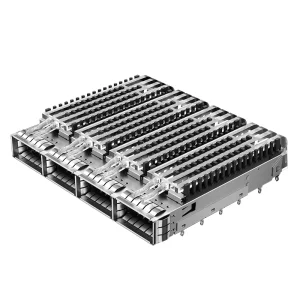
An in-depth analysis of copper physical termination mechanics, signal integrity, and the coexistence of optical backplanes in hyper-scale environments.
For decades, traditional RJ45 termination relied heavily on radial or vertical crimping mechanisms. While cost-effective, classic crimping creates uneven physical displacement on internal conductor insulation, leading to micro-fractures, air pockets, and subsequent oxidation over time. As bandwidth standards migrate from 1Gbps (Cat5e/Cat6) to 10Gbps (Cat6A) and 40Gbps (Cat8), electrical parameters such as Insertion Loss, Return Loss, and near-end crosstalk (NEXT) become highly sensitive to these termination anomalies.
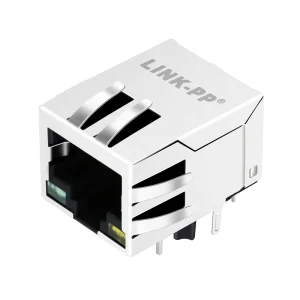
RJ45 Compression Connectors solve this vulnerability by establishing a uniform, 360-degree radial compression seal. This gas-tight termination excludes atmospheric moisture and corrosive elements, guaranteeing consistent characteristic impedance throughout the operational lifecycle. In mission-critical deployments—ranging from IP67 industrial edge devices to carrier-grade telecommunication routing arrays—compression interfaces have become the baseline standard for avoiding packet dropouts and physical layer (PHY) line failures.
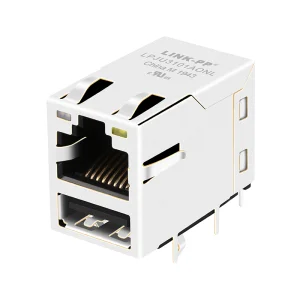
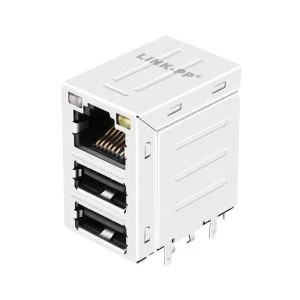
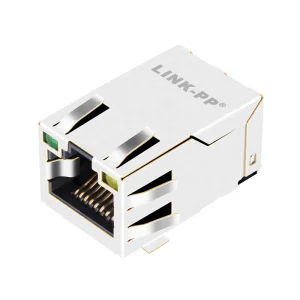
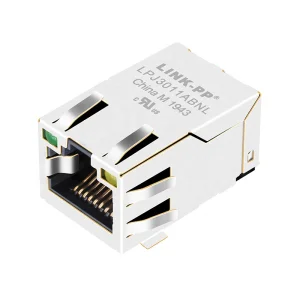
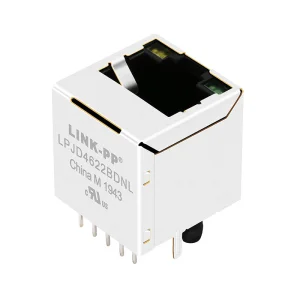
High-speed telemetry applications are highly sensitive to EMI. By implementing modular connectors with integrated magnetics (MagJack) and dual-shielded housings, modern architectures isolate differential data lines from common-mode noise, preventing signal degradation at the physical port interface.
Modern global procurement strategies mandate that physical connectors satisfy rigorous standards including IEEE 802.3 specifications for Ethernet, UL94 V-0 flame retardancy, and Telcordia GR-1217-CORE requirements for reliability under thermal shock, humidity, and vibration.
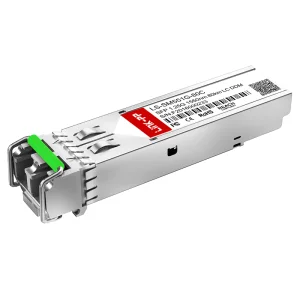
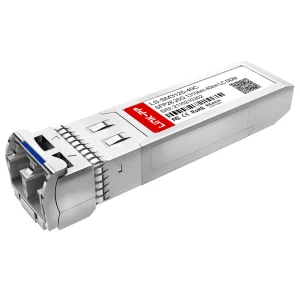
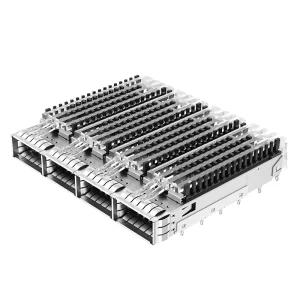
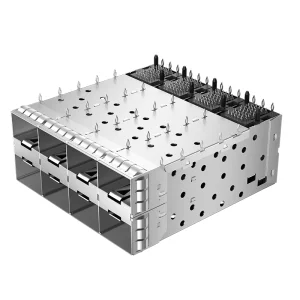
At high speeds (such as SFP28 25G channels), optical transceivers operate under extreme thermal environments. System designers must source components featuring integrated heat sinks, light pipes, and press-fit EMI cage architectures to prevent thermal throttling and packet loss.
Pioneering next-generation interconnect architectures, active transceivers, and hybrid distribution interfaces for high-demand global infrastructures.
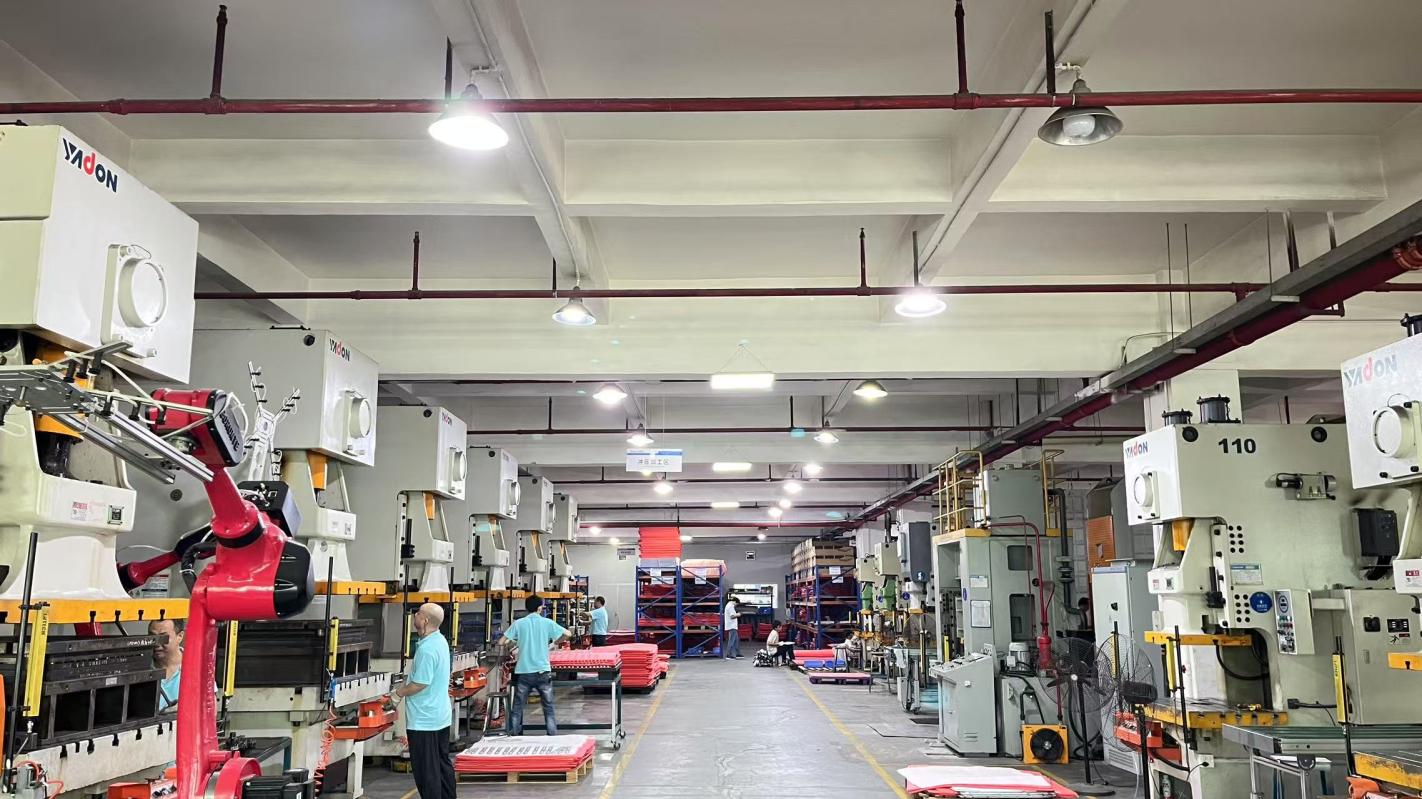
Founded in 2015, FiberQ Photonics Technology Co., Ltd. has developed into a reliable manufacturer of fiber optic transceivers and physical layer networking interfaces. Operating out of our modern 12,600㎡ facility, FiberQ delivers customized solutions designed to bridge copper end-points with high-density optical cores.
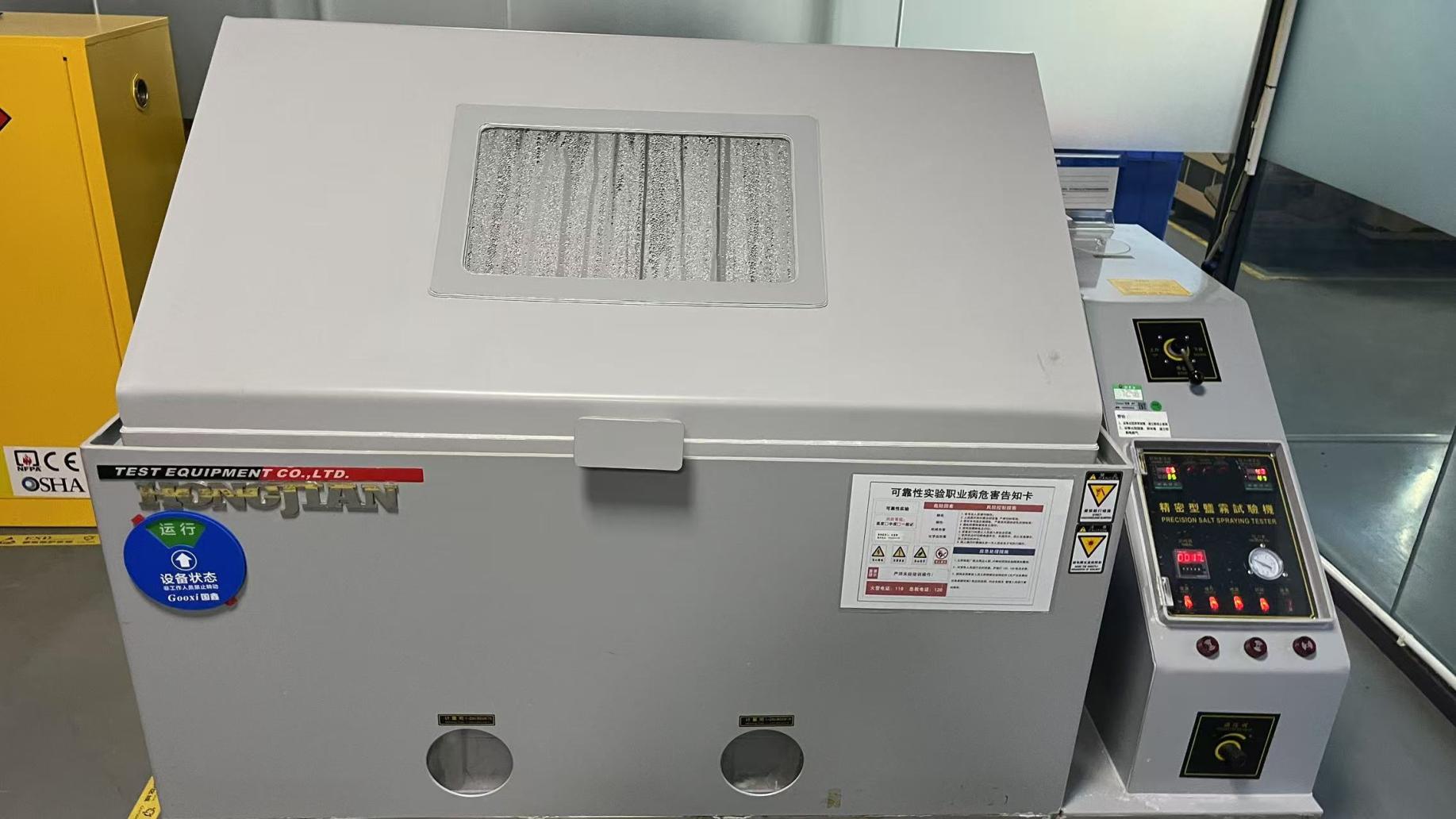
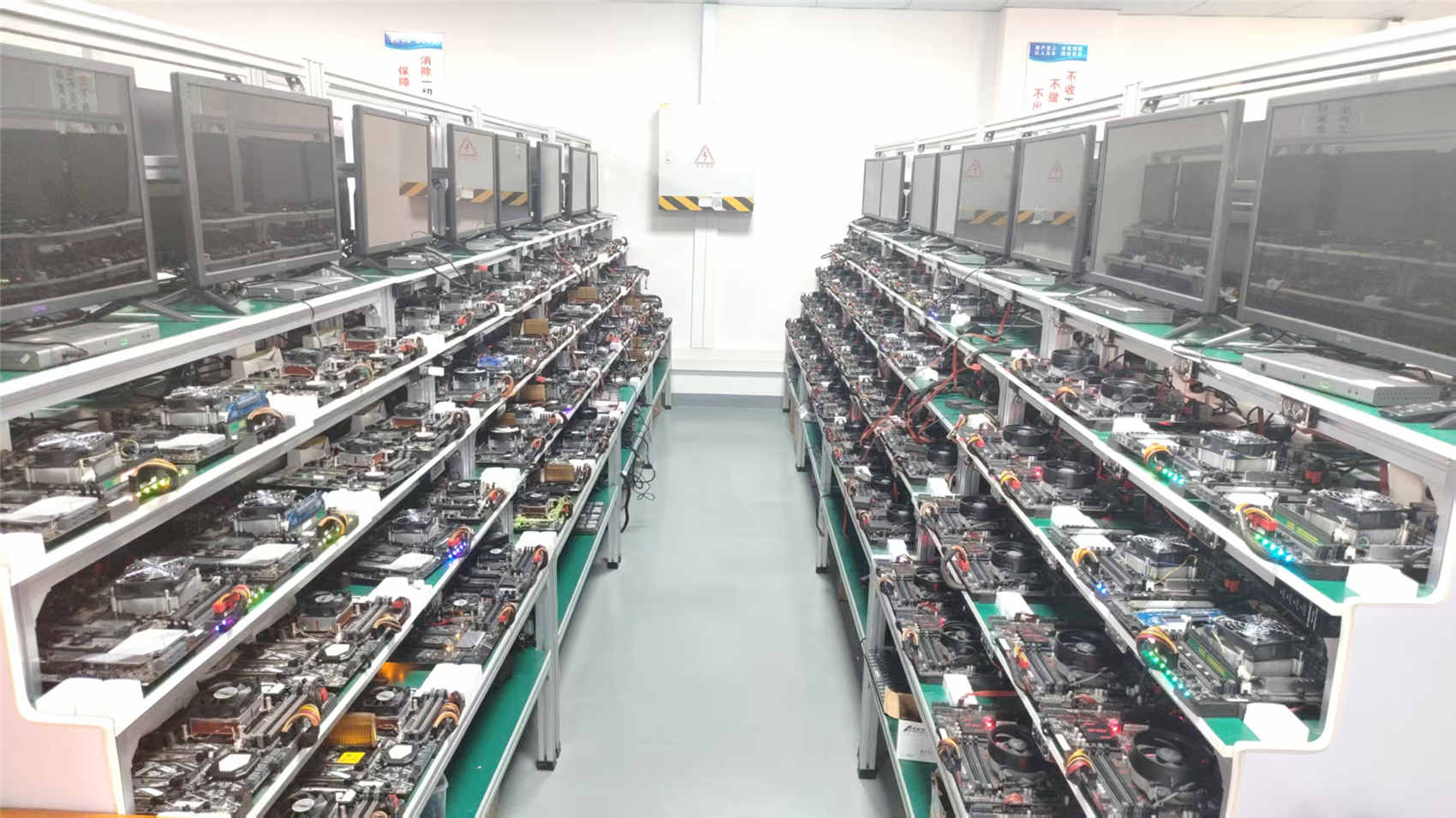
To ensure consistent output across millions of units, FiberQ relies on automated optical performance testing, interferometric inspections, and high-temperature aging chambers. Every single RJ45 MagJack, SFP cage, and optical transceiver undergoes rigorous functional validation under loaded network topologies, ensuring that our products arrive in compliance with Telcordia standards.
Our R&D team of 240 engineers works to optimize electrical design, minimize parasitics, and expand custom compatibility across standard protocols (100G/200G/400G/800G). By collaborating with 1,450 vetted supply chain partners, FiberQ provides uninterrupted delivery schedules for complex ODM and OEM projects, serving major networks in North America, Europe, Japan, and Southeast Asia.
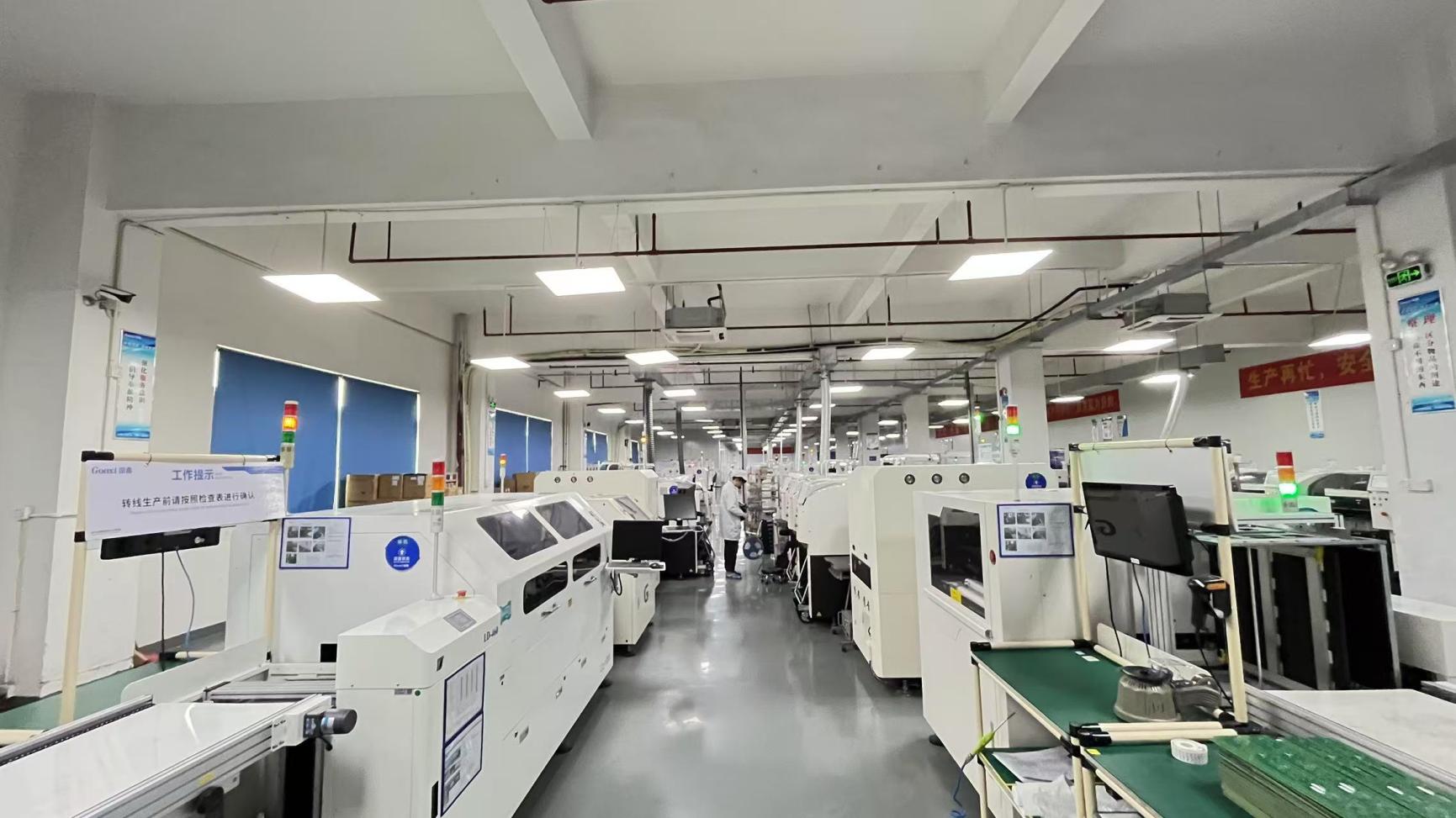
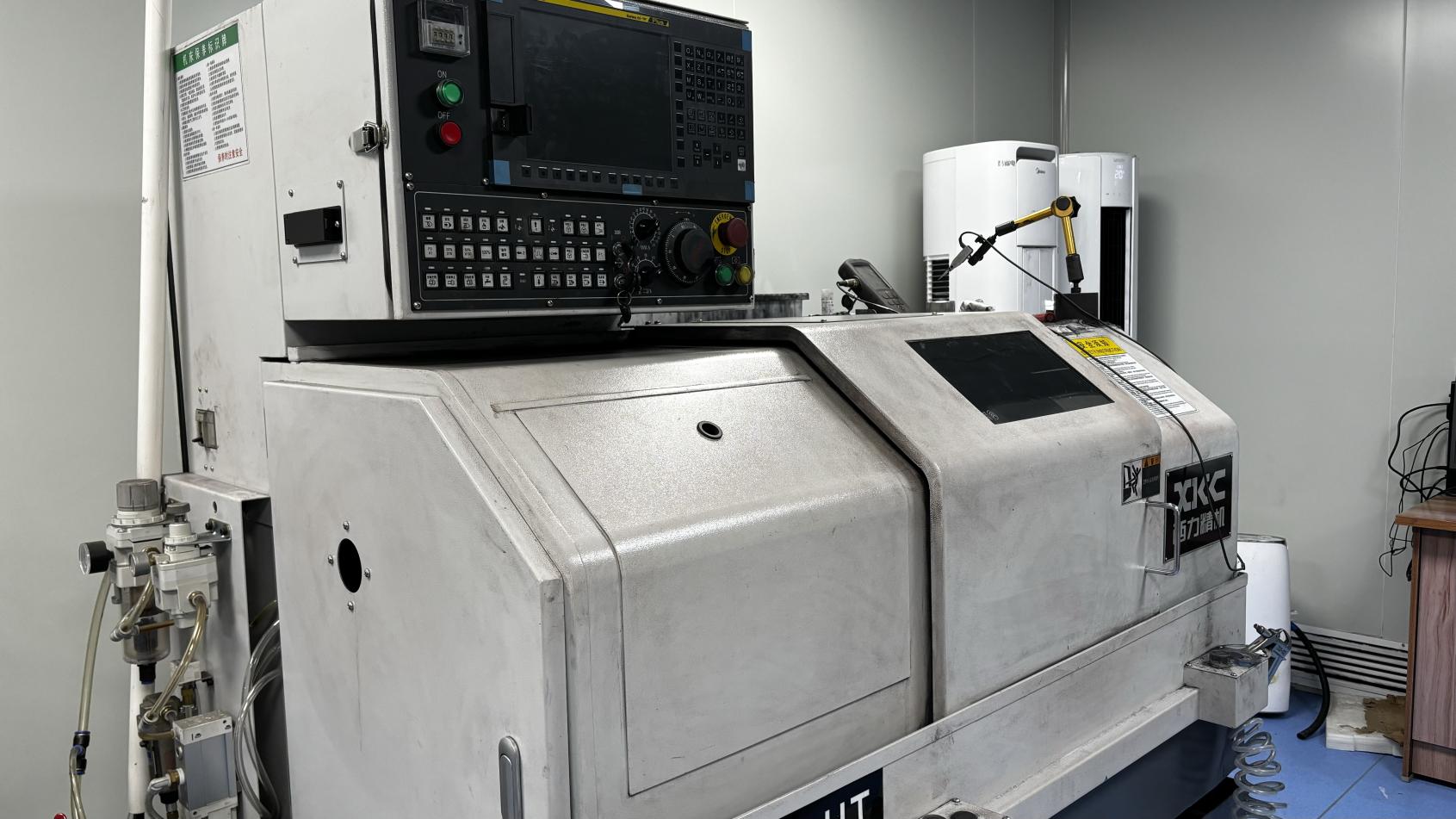
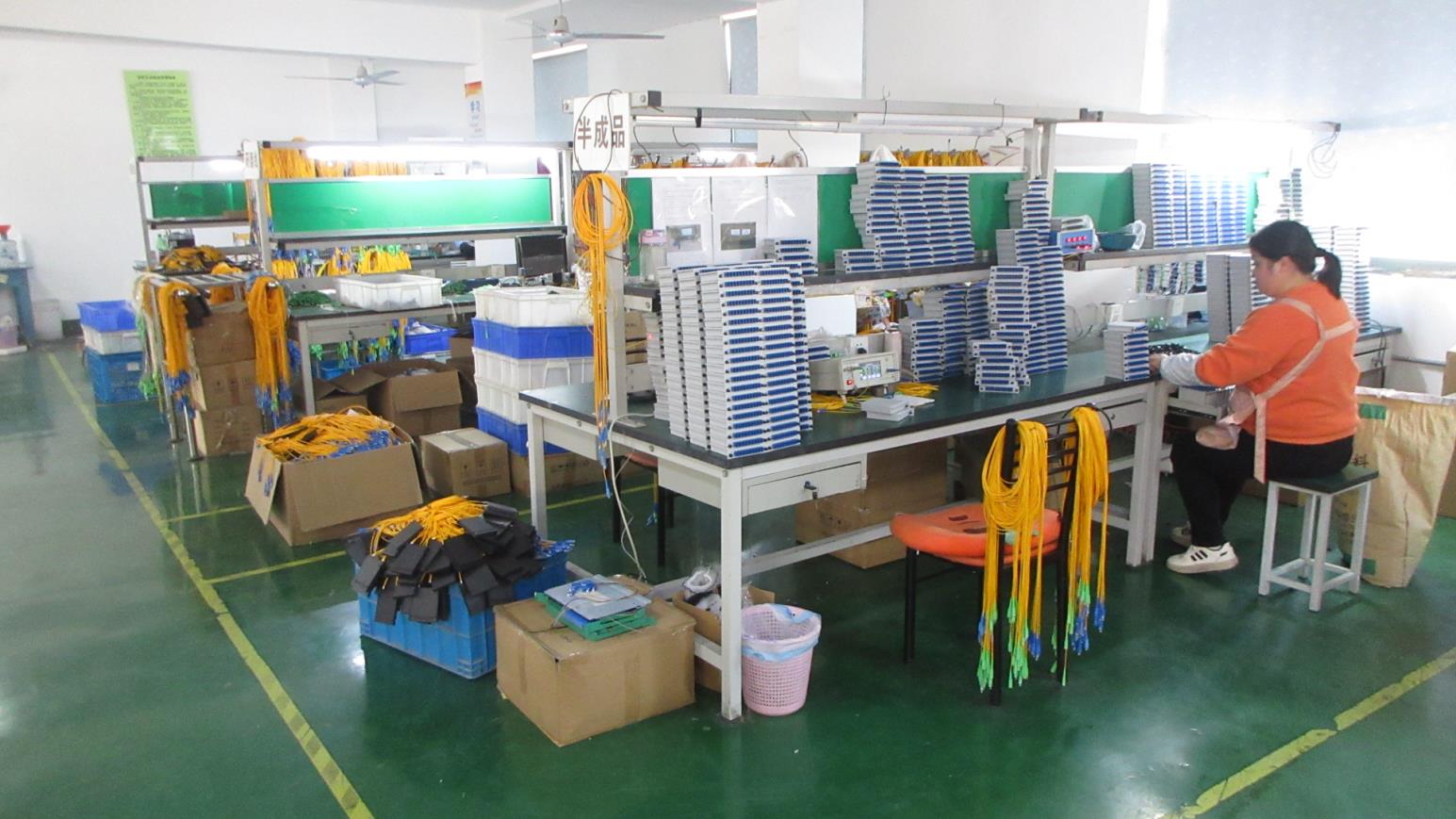
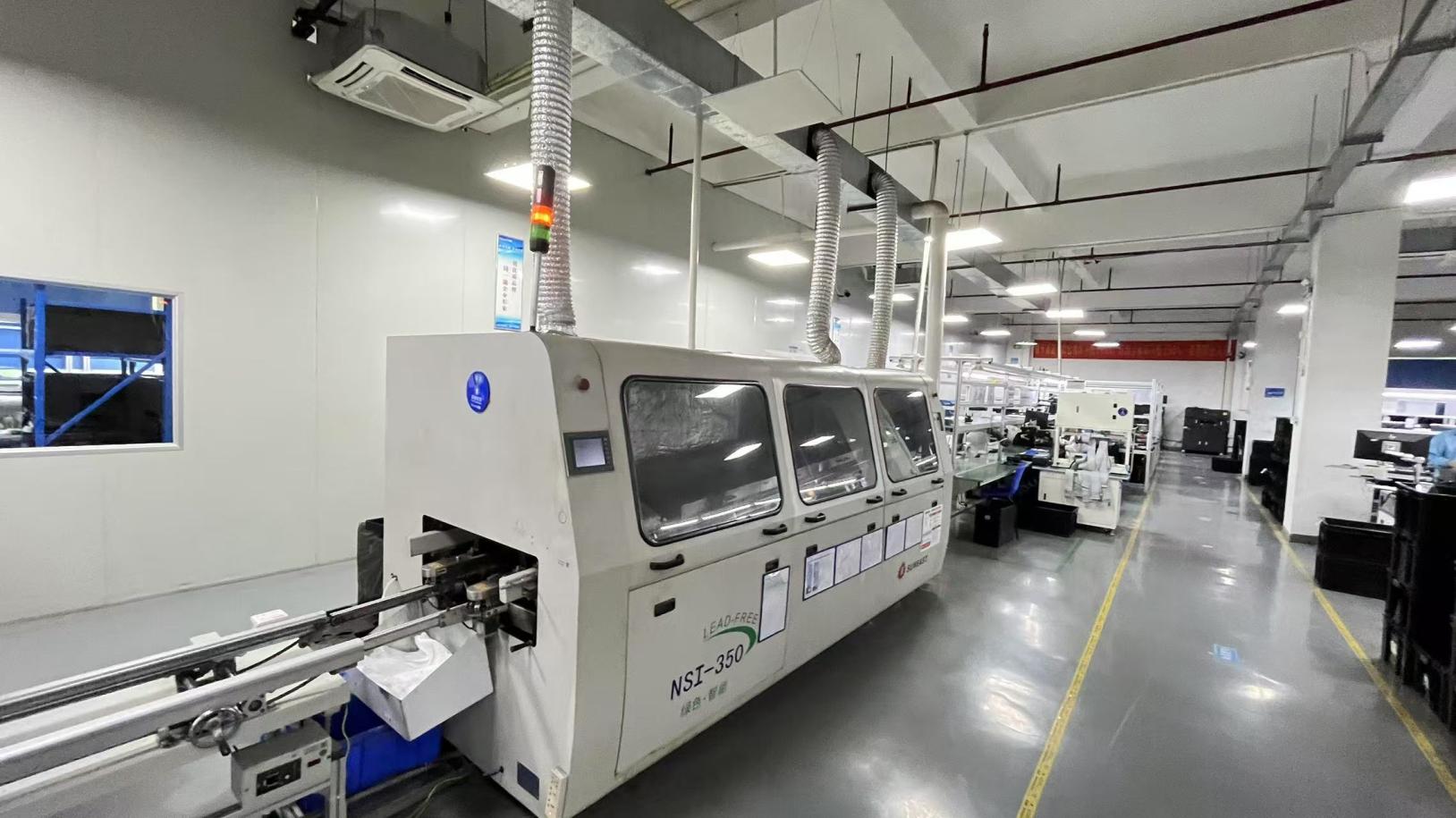
A visual overview of our advanced manufacturing lines, quality control stations, and testing environments.
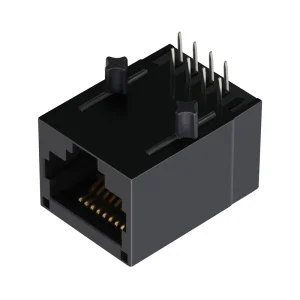
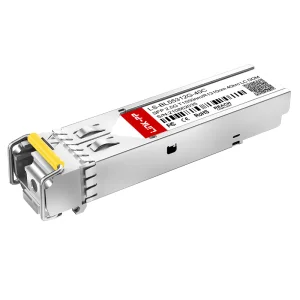
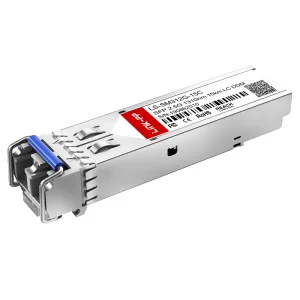
From legacy copper RJ45 architectures to high-speed 25G duplex LC transceivers, check out the technical specifications below.
Expert answers addressing the design, selection, and deployment requirements of advanced RJ45 physical layers and high-speed optical transceivers.