FiberQ FiberQ

Top 10 QSFP56 Transceivers for Global Buyers in 2026?

Time:2026-07-29 Author:Ethan
0%

As global data demands surge, technology evolves to meet the needs for higher bandwidth. The QSFP56 transceiver stands at the forefront of this evolution. With its ability to support speeds of up to 400 Gbps, it offers unparalleled performance for data centers and cloud services.

In 2026, buyers are likely to encounter various options in the QSFP56 transceiver market. A competitive landscape has emerged, featuring numerous manufacturers. Each promises superior technology and reliability. However, not all products deliver on their claims. Identifying the top choices involves careful evaluation of specifications and real-world performance.

Experience tells us that quality can vary significantly. Many transceivers may look similar but perform differently under pressure. This unpredictability highlights the importance of informed purchasing. Buyers must seek out trusted brands with proven track records. Ultimately, wise investment now can lead to smoother operations and scalability in the near future.
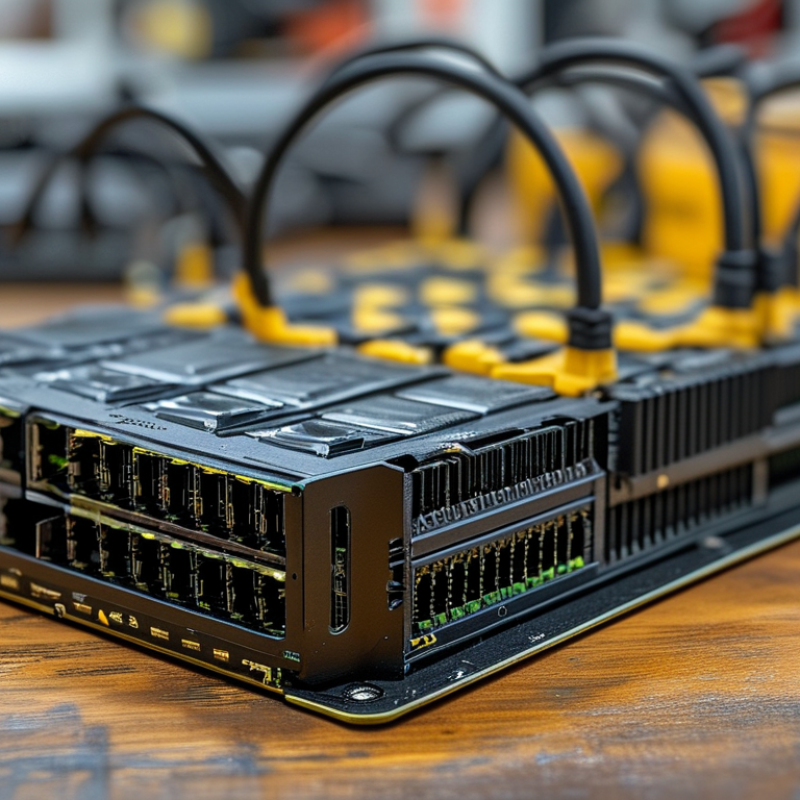
Top 10 QSFP56 Transceivers for Global Buyers in 2026?

Top Market Trends Influencing QSFP56 Transceiver Demand in 2026

The demand for QSFP56 transceivers is poised to rise significantly in 2026, driven by several key market trends. Increasing data center bandwidth requirements are at the forefront. As organizations transition to cloud computing, data transfer speeds need to exceed 400 Gbps. This necessity has been highlighted by the Global Data Center Market Report, which projects a compound annual growth rate (CAGR) of 10% through 2026.


Another driving force is the emerging 5G technology. It promises ultra-reliable low-latency communication. With the projected global 5G market to reach $1.3 trillion by 2026, the need for advanced networking solutions will escalate. High-speed interconnectivity supports not only mobile networks but also enhances data center operations. A focus on sustainability is also reshaping this market. Many companies prioritize energy-efficient solutions, influencing their purchasing decisions for transceivers.


While innovation is necessary, challenges remain. The rapid evolution of technology leads to compatibility issues. Organizations must keep pace with the latest standards, often resulting in increased costs. Market volatility also poses risks. Price fluctuations in critical components can make budgeting difficult. Addressing these factors is essential for stakeholders aiming to thrive in the evolving QSFP56 landscape.

Key Features and Specifications of Leading QSFP56 Transceivers

The QSFP56 transceivers are pivotal in the evolution of high-speed networking. Designed for 400G optical networks, they provide a compact form factor with enhanced performance. Leading transceivers often feature data rates of up to 400 Gbps, making them ideal for data center connectivity. A recent industry report indicated that the market for QSFP56 transceivers is expected to grow at a CAGR of over 20% from 2023 to 2026, driven by increased demand for bandwidth.

Key specifications include distances of up to 10 km for multimode options and even longer for single-mode variants. Many models utilize advanced technologies like PAM4 modulation and digital signal processing, which boost signal integrity. It’s also worth noting that power consumption is a critical factor; leading designs may consume less than 3.5 watts per port, aligning with green technology trends.

Tips: When selecting a QSFP56 transceiver, consider compatibility with existing equipment. Ensure that the selected transceiver meets your specific range and speed requirements. Remember that while performance is essential, cost-effectiveness is equally critical for long-term use. The right combination can ensure robust network infrastructure while optimizing budget allocations.

Comparative Analysis of QSFP56 Transceiver Performance Metrics

The QSFP56 transceiver market is evolving rapidly. Performance metrics in 2026 will be critical for global buyers. Research shows that the demand for 400G solutions is skyrocketing. A recent industry report indicated that the QSFP56 segment could grow by 30% annually through 2026.

When analyzing the performance metrics, factors like power consumption, latency, and data integrity are essential. Efficient power usage is crucial, with top devices consuming 3.5 watts or less. Latency metrics are equally important, as many networks require communication speeds under 200 microseconds to function optimally. Reliability is being measured through error rates, highlighting the need for low Bit Error Rates (BER) in data transmission.

However, not all transceivers perform equally well. Some may promise high speed but fail in real-world scenarios. This can lead to increased downtime. A notable study found that nearly 25% of QSFP56 units underperformed in lab tests. As buyers prepare for future investments, understanding these performance metrics will be key to making informed choices.

Cost-Benefit Evaluation of QSFP56 Transceivers for Global Buyers

As global buyers look toward 2026, the cost-benefit evaluation of QSFP56 transceivers becomes crucial. These high-speed optical modules are essential for modern data centers and high-performance computing. They support data rates of 200 Gbps, making them suitable for bandwidth-intensive applications. However, the initial investment can be significant. Understanding the long-term benefits is key.

Consider factors such as energy efficiency and longevity. A well-chosen transceiver can reduce energy costs. Buyers must analyze performance metrics to ensure they meet current and future needs. Price fluctuations in the market can also impact decisions. Buyers should be cautious and avoid relying solely on price as a basis for selection.

A thoughtful evaluation includes total cost of ownership. This encompasses purchase price, installation, and potential maintenance expenses. Balancing these aspects can lead to better decisions. Many buyers overlook the importance of vendor support and warranties. These can save costs down the road. A proactive approach can mitigate risks and enhance overall value in the transceiver selection process.

Cost-Benefit Evaluation of QSFP56 Transceivers for Global Buyers in 2026

This chart represents the cost-benefit ratios of the top 10 QSFP56 transceivers expected to be popular among global buyers in 2026. A higher ratio indicates a better balance of cost versus performance, making it a critical metric for buyers in selecting their transceivers.

Future Innovations and Technological Advancements in QSFP56 Solutions

As we move toward 2026, the advancements in QSFP56 transceivers are poised to revolutionize networking technologies. These solutions promise higher bandwidth and reduced latency, catering to the increasing demands of data centers and cloud services. Innovations are focusing on integrating artificial intelligence to optimize performance in real-time. This shift is critical for maintaining reliability and efficiency in global communications.

The development trajectory also includes a stronger emphasis on sustainability. Many new transceiver designs aim to minimize energy consumption while maximizing throughput. However, challenges remain. Not all manufacturers have adopted sustainable practices, and some may prioritize profit over environmental impact. This inconsistency raises questions about industry standards and accountability.

Interoperability is another area of concern. As new technologies emerge, ensuring compatibility between devices can be complicated. Users may experience issues when upgrading interfaces. This complexity suggests a need for robust testing and validation processes across the industry. Continuous reflection on these challenges will be essential for driving meaningful innovation in the QSFP56 landscape.

FAQS

: What are key performance metrics for QSFP56 transceivers?

: Key metrics include power consumption, latency, and data integrity. Optimal power use is vital for efficiency.

How much power should top QSFP56 devices consume?

Top devices should consume 3.5 watts or less. Efficient power usage supports overall performance.

Why is latency important in QSFP56 performance?

Networks need speeds under 200 microseconds. High latency can hinder optimal performance and increase downtimes.

What is the significance of Bit Error Rates (BER)?

Low BER ensures data integrity during transmission. High error rates indicate reliability issues in the transceiver.

Have all QSFP56 transceivers performed well in tests?

No, about 25% of QSFP56 units underperformed in lab tests. This affects buyer confidence and investment decisions.

What innovations are expected by 2026 in QSFP56 technology?

Innovations include higher bandwidth, reduced latency, and AI integration for real-time performance optimization.

What challenges exist in implementing sustainable practices in QSFP56 design?

Some manufacturers prioritize profit over sustainability. This inconsistency poses a challenge for industry standards.

How can interoperability issues impact users?

Users may face compatibility problems when upgrading interfaces. This highlights the need for thorough testing and validation.

What should buyers reflect on before investing in QSFP56 solutions?

Buyers should consider real-world performance and potential downtime. Thorough research can guide better investment choices.

What is a critical factor as technology evolves?

Continuous reflection on challenges and standards is essential for meaningful innovation in QSFP56 technologies.

Conclusion

The article titled "Top 10 QSFP56 Transceivers for Global Buyers in 2026" explores the emerging trends shaping the demand for QSFP56 transceivers in the coming years. Key factors include rapid advancements in data transmission technologies, increasing bandwidth requirements, and the growing adoption of cloud and edge computing solutions. The article highlights essential features and specifications that define leading QSFP56 transceivers, emphasizing aspects such as power efficiency, interoperability, and high data rates.

A comparative analysis of performance metrics provides insights into the effectiveness of various QSFP56 transceiver models, while a cost-benefit evaluation helps global buyers understand the financial implications of their choices. Finally, the article discusses potential future innovations and technological advancements anticipated in the QSFP56 solutions space, ensuring that buyers are well-informed for making decisions that align with their networking needs in 2026.

Ethan

Ethan

Ethan is a seasoned marketing professional with a deep expertise in our company's innovative product line. With a passion for sharing knowledge and insights, he takes the lead in regularly updating our corporate blog, where he explores industry trends, product features, and effective marketing......