FiberQ FiberQ

Best Tips for Choosing SFP+ Transceiver for Your Network?

Time:2026-07-14 Author:Liam
0%

Choosing the right SFP+ transceiver for your network can significantly impact performance. According to a report by Dell'Oro Group, the market for optical transceivers is projected to grow steadily, with demand for SFP+ transceivers leading the way. This growth emphasizes the need for precise selection in a competitive landscape.

When selecting an SFP+ transceiver, consider various factors. Compatibility with existing hardware is crucial. Additionally, transmission range and data rates often dictate performance outcomes. A well-chosen SFP+ transceiver can help maximize bandwidth efficiency, while incorrect choices may lead to operational bottlenecks.

Research shows that organizations can lose up to 20% in potential productivity due to network inefficiencies. These statistics highlight the importance of making informed decisions. A deep understanding of the specifications and features of SFP+ transceivers is vital. Engaging with reputable suppliers ensures access to reliable products, which is essential for long-term network success.
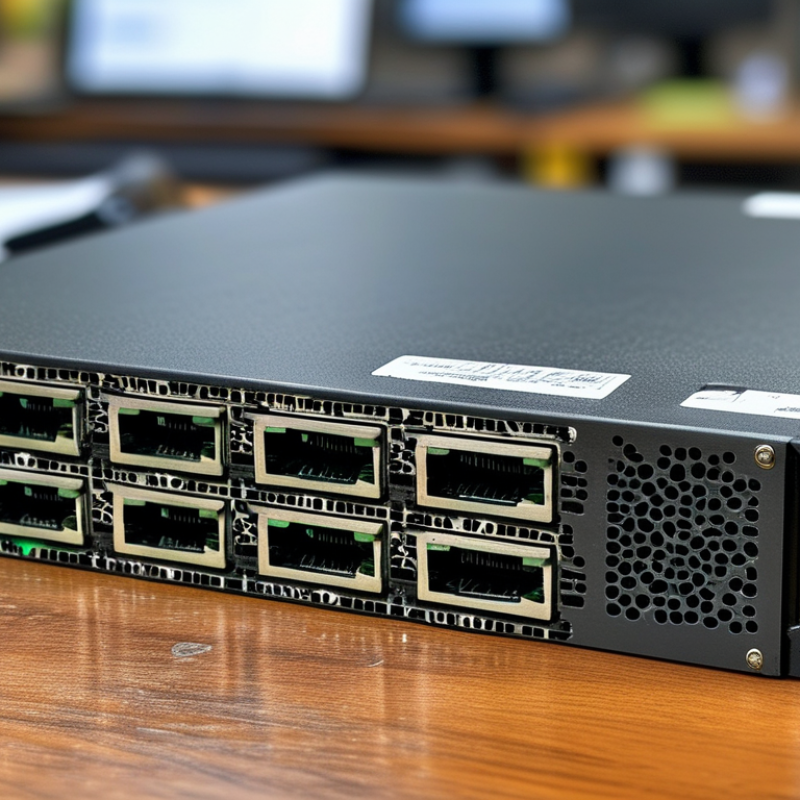
Best Tips for Choosing SFP+ Transceiver for Your Network?

Understanding SFP+ Transceivers: Key Features and Standards

When choosing an SFP+ transceiver, understanding key features is essential. SFP+ stands for Small Form-factor Pluggable Plus. It is an upgrade from SFP, providing higher bandwidth and speed. The primary benefit is its capability to support 10 Gigabit Ethernet.

One critical factor to consider is the optical range and compatibility. Different applications require varying distances. For short-range connections, multimode fibers work best. They offer high-speed data transfer over limited distances. For long-range applications, single-mode fibers are more effective. They ensure stability and efficiency across larger distances.

Another feature to note is the supported standards. Familiarity with standards like IEEE 802.3ae ensures the transceiver will meet your network needs. Not all SFP+ modules are compatible with each device. This can create potential issues. Be cautious and conduct thorough compatibility checks. Exploring the technical specifications can prevent future headaches. Keep these considerations in mind to enhance your network performance.

Evaluating Data Rates: 1G, 10G, and Future-Proofing Your Network

When evaluating data rates for your network, understanding SFP+ transceivers is crucial. Standard Ethernet speeds like 1G and 10G are common, but future needs should influence your choice. According to a report by the Ethernet Alliance, 10G connections dominate most enterprise networks today, supporting applications like video conferencing and large data transfers.

The trend towards higher speeds, including 25G and beyond, is gaining traction. A recent industry study indicated that nearly 30% of organizations plan to deploy 25G solutions over the next two years. Transceivers that support these higher rates ensure your network remains efficient and can handle increased bandwidth demands. Choosing modules with multi-rate capability can be a strategic advantage as technologies evolve.

However, purchasing decisions aren't always straightforward. Compatibility issues may arise, and not all transceivers guarantee performance. It’s essential to review specifications critically. A thorough understanding of your existing infrastructure and expected growth can guide these choices. Rushing into investment without thorough assessment might lead to future bottlenecks. Keep an eye on emerging trends and standards to avoid obsolescence.

Compatibility Considerations: Matching SFP+ with Your Hardware

When selecting SFP+ transceivers, compatibility is crucial. Ensuring that the transceiver works seamlessly with existing hardware can prevent network issues. Each device has specific requirements regarding the type of SFP+ modules it supports. Check the manufacturer's documentation for compatibility details.

Pay attention to the interface types as well. Some devices only accept certain protocols. For instance, a networking switch may not support all ranges of optical and copper SFP+ transceivers. Double-checking connections, speeds, and distances is vital. Mismatches in these areas can lead to sub-optimal performance.

It can be challenging to navigate all these details. Sometimes, specifications may seem overwhelming. Users often overlook small details that lead to compatibility problems. A careful examination of hardware and transceiver specs is essential. Many issues arise simply from a lack of information or understanding about what is truly needed. A little diligence in research can yield significant benefits for network efficiency.

Cost Analysis: Balancing Quality and Affordability in Transceivers

When selecting SFP+ transceivers for your network, understanding the cost versus quality balance is crucial. Many businesses face budget constraints while trying to maintain a reliable network. High-quality transceivers can be more expensive but often offer better performance and longevity. Choosing cheaper options may lead to frequent failures. This can result in greater downtime and increased repair costs.

Consider your network's specific requirements. Analyze data rates, distances, and environments where the transceivers will operate. Sometimes, mid-range transceivers provide the best return on investment. They offer a balance of quality and affordability. Make sure to invest in transceivers that meet industry standards. In the long run, reliability should never be sacrificed for cost. This can lead to dissatisfaction and additional expenses.

It's essential to source transceivers from reputable suppliers. Low-cost products may skimp on quality control. This can introduce risks that affect your network's performance. Ensure your choice aligns with your long-term strategy. Reflecting on where you've cut costs before can provide insights. A well-planned budget will lead to a more robust network.

Best Tips for Choosing SFP+ Transceiver for Your Network? - Cost Analysis: Balancing Quality and Affordability in Transceivers

Criteria Description Cost ($) Quality Rating (1-5) Example Use Case
Distance Consider the maximum distance data needs to travel. 100 4 Data Center Interconnection
Compatibility Ensure the transceiver is compatible with existing hardware. 75 5 Enterprise Network Setup
Speed Consider data transfer speeds needed for your applications. 120 4 High-Speed Internet Access
Fiber Type Choose between single-mode and multi-mode fibers. 90 3 Campus Networking
Budget Determine the overall budget for network upgrades. 200 5 Small Business Office Setup

Best Practices for Installation and Maintenance of SFP+ Transceivers

When installing SFP+ transceivers, proper handling is crucial. Always wear anti-static gloves to avoid static discharge. Holding the transceiver by its edges prevents damage to the connectors. Keep the caps on until you’re ready to connect. This simple step can avoid dust contamination, which can affect performance.


Regular maintenance is essential for longevity. Clean the optical surfaces periodically using appropriate cleaning tools. Dirt or residue can degrade signal quality over time. Inspect the cables for wear and secure any loose connections. A visual check helps detect potential issues early.


Monitoring temperature and humidity in the installation environment is vital. High levels can lead to premature failure of transceivers. Consider implementing alerts for abnormal conditions. Documenting installation and maintenance activities fosters reliability. This also aids in troubleshooting if issues arise. Engaging in these practices enhances the overall performance of your network infrastructure.

FAQS

: What data rates are commonly used in networks?

: Common data rates are 1G and 10G, with 10G being most prevalent in enterprise networks today.

Why is future-proofing important when choosing data rates?

Future-proofing helps ensure your network can handle growing bandwidth demands and upcoming technologies.

What percentage of organizations plan to adopt 25G solutions soon?

About 30% of organizations aim to implement 25G solutions in the next two years.

How does compatibility affect SFP+ transceiver selection?

Ensuring compatibility prevents network issues and optimizes performance, as devices have specific requirements.

What should you check regarding the transceiver and hardware?

Check the manufacturer's documentation for information on supported SFP+ modules and interface types.

What can happen if you overlook compatibility details?

Overlooking details can lead to performance issues and inefficiencies in your network.

Are there challenges in selecting the right transceivers?

Yes, specifications may be overwhelming, leading to potential compatibility problems and confusion.

How important is a thorough understanding of existing infrastructure?

It's essential for guiding purchase decisions and avoiding future bottlenecks in data rates.

What happens if investments are made too quickly?

Rushing into investments without assessment may lead to complications and obsolete technology.

Can minor details in specifications cause significant issues?

Absolutely. Small oversights can result in major compatibility problems and network inefficiencies.

Conclusion

When selecting an SFP+ transceiver for your network, it's essential to understand its key features and standards. These components are crucial for ensuring high data rates, particularly as networks evolve from 1G to 10G and beyond, which calls for future-proofing considerations. Compatibility with existing hardware is another critical aspect, as mismatched components can lead to performance issues.

Additionally, conducting a thorough cost analysis is important to strike a balance between quality and affordability in your choice of SFP+ transceiver. Finally, adopting best practices during installation and maintenance will enhance the longevity and reliability of your network. Overall, a careful approach to choosing SFP+ transceivers can significantly impact your network's efficiency and performance.

Liam

Liam

Liam is a dedicated marketing professional with a profound expertise in the industry, where he excels at highlighting the unique advantages of our core products. With a keen understanding of market trends and consumer needs, Liam frequently updates our company’s professional blog, providing......