FiberQ FiberQ

China Best 800G Optical Transceiver for Global Buyers?

Time:2026-08-23 Author:Sienna
0%

The demand for high-speed data transmission continues to rise globally. In this context, the 800G optical transceiver plays a crucial role. It delivers enhanced performance and meets the needs of modern networks. This technology is not just an upgrade; it represents a significant leap in bandwidth capabilities.

China is becoming a key player in the 800G optical transceiver market. Several manufacturers are innovating to create powerful solutions. However, choosing the best transceiver from China can be challenging for global buyers. It requires thorough research and a deep understanding of each product’s specifications.

Quality and reliability are essential in optical technologies. Buyers must evaluate performance metrics carefully. Price should not be the only factor in decision-making. Exploring user experiences and expert reviews can provide valuable insights. Despite the advancements, buyers should remain cautious. There are still areas needing improvement. This dialogue around 800G optical transceivers is necessary to ensure the best choices.
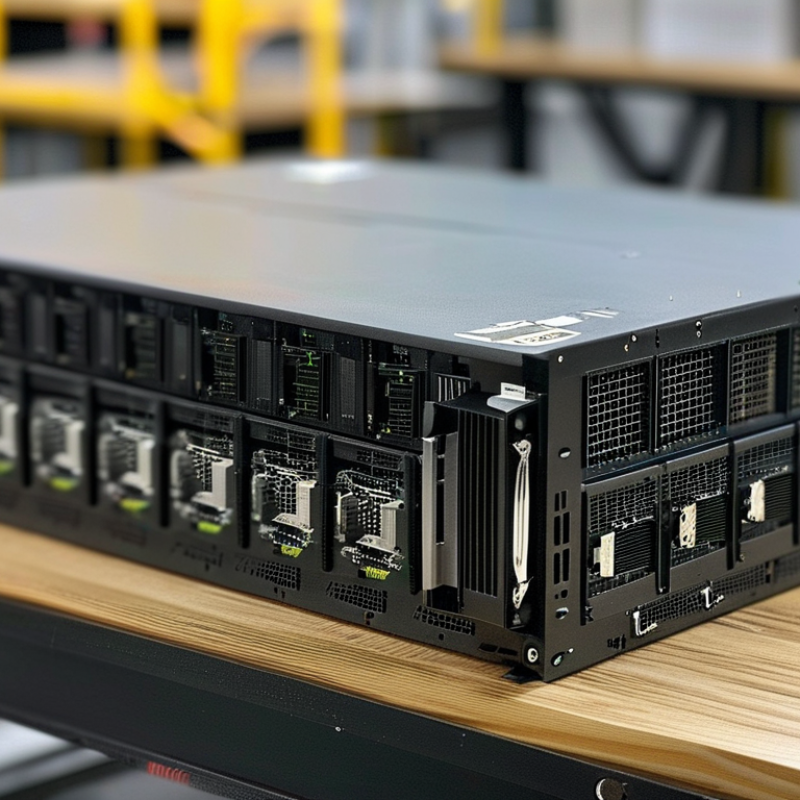
China Best 800G Optical Transceiver for Global Buyers?

Overview of 800G Optical Transceivers in China

The development of 800G optical transceivers in China reflects significant advancements in high-speed data transmission technology. These transceivers, crucial for data centers and telecommunications networks, enable faster data rates and more efficient bandwidth utilization. According to a recent industry report by MarketsandMarkets, the global optical transceiver market is expected to grow significantly, with 800G transceivers poised to capture a substantial share due to the increasing demand for higher speeds and lower latency.

Chinese manufacturers are at the forefront of this advancement. They are investing heavily in research and development to enhance the performance and reliability of 800G transceivers. However, challenges remain, such as the need for standardized technology and the increasing complexity of manufacturing processes. Industry analysts suggest that tight competition may push prices down, but the quality and durability of these products are also under scrutiny.

Many buyers should consider factors such as compatibility, operational temperature, and power consumption while exploring options in the 800G transceiver market. To ensure longevity and performance, reviewing technical specifications thoroughly is essential. Engaging with industry experts can provide insights into potential pitfalls in choosing the right products. As the technology evolves, staying informed about latest revisions and standards will also be vital for decision-making.

Key Features and Specifications of China's 800G Optical Transceivers

China has emerged as a key player in the development of 800G optical transceivers. These devices support high-speed data transmission and are fundamental for modern networks. They cater to growing demands for bandwidth, particularly in data centers and telecom infrastructures. The technology behind 800G transceivers provides significant advantages, including reduced energy consumption and improved signal integrity over long distances.

Key features of China's 800G optical transceivers include multi-wavelength operations and advanced modulation formats. This allows for efficient data handling while minimizing latency. Many models offer small form factors, which aid in space-saving installations. However, there are challenges. Not all users fully understand the intricacies of installation and optimization.

Moreover, the evolving nature of optical technology means that manufacturers are constantly improving their designs. It is essential that buyers stay updated on specifications and performance advancements. Optimal choices require careful consideration of interoperability and future scalability. Balancing cost and quality remains a persistent issue for many organizations.

Comparison of Leading Brands and Manufacturers in China

When examining the 800G optical transceiver market in China, several brands stand out for their reliability and performance. These transceivers are crucial in supporting high-speed data transmissions. Leading manufacturers are putting significant effort into improving signal integrity and reducing latency. However, buyers should note that not all products meet the same standards.

Some brands may boast exceptional specifications, but real-world performance can differ. It's essential to analyze user feedback and past experiences. Comparing various manufacturers showcases a blend of innovation and tradition, revealing both strengths and weaknesses. Some companies may prioritize cost over quality, impacting long-term usability.

In addition, the landscape of optical transceivers is ever-evolving. Regular updates and advancements make it challenging to keep abreast of the best options available. While many brands have made significant progress, lingering questions about compatibility and support remain. Buyers should engage with industry experts to navigate these complexities effectively. This exploration can uncover gems that offer great value while avoiding potential pitfalls.

Global Demand and Market Trends for 800G Optical Transceivers

The global demand for 800G optical transceivers is on the rise. As data traffic increases, network providers are seeking faster and more efficient solutions. The shift to high-speed data transmission is evident across multiple sectors, including telecommunications and data centers. This growth trend shows no signs of slowing down, driven by the surge in cloud computing and online services.

Market trends indicate a competitive landscape for manufacturers. Companies are focusing on enhancing the reliability and performance of their optical transceivers. However, achieving optimal quality while keeping costs competitive poses a significant challenge. Buyers often struggle to navigate this complex market. They need to ensure that the products they choose meet stringent reliability and performance standards.

Despite the advancements, there are concerns about interoperability. Not all transceivers work seamlessly across different networks. This can create headaches for system integrators. It's essential for end-users to clarify compatibility before purchasing. Ultimately, awareness and careful selection will be key as the industry progresses toward adopting 800G technology.

Guidelines for International Buyers of 800G Optical Transceivers

As demand for high-speed data transmission grows, 800G optical transceivers are emerging as essential components in global telecommunications. Recent reports from industry analysts indicate that the market for optical transceivers is projected to reach approximately $9 billion by 2025. This growth is driven by the need for faster data rates and improved efficiency. International buyers must understand the varying standards and certifications required for these components, as there is no uniformity across regions.

When sourcing 800G optical transceivers, potential buyers should consider supplier reliability. Not every manufacturer adheres to the same quality protocols. According to a study conducted by a leading telecom research firm, nearly 20% of transceivers fail to meet claimed performance metrics. This inconsistency can lead to significant operational challenges. It is advisable to seek vendors that provide verifiable performance data and have established a reputation for quality.

Furthermore, understanding specific usage requirements is crucial. Different applications may necessitate unique configurations or compatibility features. Narrowing down choices based on these factors will lead to more effective procurement decisions. Buyers should not overlook the importance of post-purchase support, as the complexity of integration may require ongoing assistance.

Comparison of 800G Optical Transceiver Specifications

FAQS

: What are 800G optical transceivers important for?

: They are essential for high-speed data transmission in data centers and telecommunications networks.

What challenges do Chinese manufacturers face in producing 800G transceivers?

They encounter issues like standardization and complex manufacturing processes.

How can buyers ensure they choose the right 800G transceiver?

They should consider compatibility, operational temperature, and power consumption.

What should potential buyers review before making a purchase?

It's crucial to thoroughly review technical specifications for performance insights.

Why is user feedback valuable when comparing transceivers?

Real-world performance may differ from specifications, highlighting potential reliability issues.

How do costs affect the quality of 800G transceivers?

Some manufacturers may prioritize low costs, leading to diminished product quality.

What role does research and development play in this market?

It helps improve the performance and reliability of 800G transceivers.

Why is staying informed about industry standards essential?

Evolving technology creates the need for updated knowledge to make informed choices.

What lingering concerns might buyers have during their search?

Compatibility issues and the level of support offered by manufacturers can be troublesome.

Is there a risk in relying solely on brand reputation?

Yes, real user experiences can reveal substantial differences in performance quality.

Conclusion

The article "China Best 800G Optical Transceiver for Global Buyers?" provides a comprehensive overview of the 800G optical transceiver market in China, highlighting its key features and specifications that cater to a growing global demand. With technological advancements, these transceivers are becoming essential for high-speed data transmission, demonstrating significant performance improvements over their predecessors.

The piece further compares the leading brands and manufacturers in China, emphasizing their offerings and innovations in the 800G optical transceiver sector. Additionally, it analyzes current market trends and provides valuable guidelines for international buyers considering the procurement of these cutting-edge components. This summary positions the 800G optical transceiver as a pivotal element for enhancing global network infrastructure in response to escalating data traffic needs.

Sienna

Sienna

Sienna is a skilled marketing professional with a deep expertise in our company’s core products and services. With a passion for innovation and detail, she plays a pivotal role in crafting insightful blog posts that not only highlight the unique features of our offerings but also provide valuable......