FiberQ FiberQ

2026 Best SFP Transceiver for Global Buyers to Consider?

Time:2026-07-09 Author:Henry
0%

As global connectivity continues to expand, SFP transceivers have become pivotal in networking technology. According to industry expert Dr. Emily Carter, "Choosing the right SFP transceiver can dramatically influence network performance." Her insights underscore the importance of informed decisions in this specialized market.

The demand for reliable and high-speed data transfer drives buyers to explore various SFP transceiver options. Factors such as compatibility, speed, and distance must be carefully weighed. Many buyers may initially overlook critical specifications, which can lead to suboptimal choices. The balance between cost and performance is often a tricky area for consideration.

Choosing an SFP transceiver is not merely about specifications. It requires understanding specific needs and future scalability. Although numerous options exist, not all transceivers will meet unique network demands. Thoughtful evaluation is essential, as picking the wrong product can hinder network efficiency. This guide aims to highlight the best SFP transceiver options, helping buyers make informed choices that enhance their network capabilities.
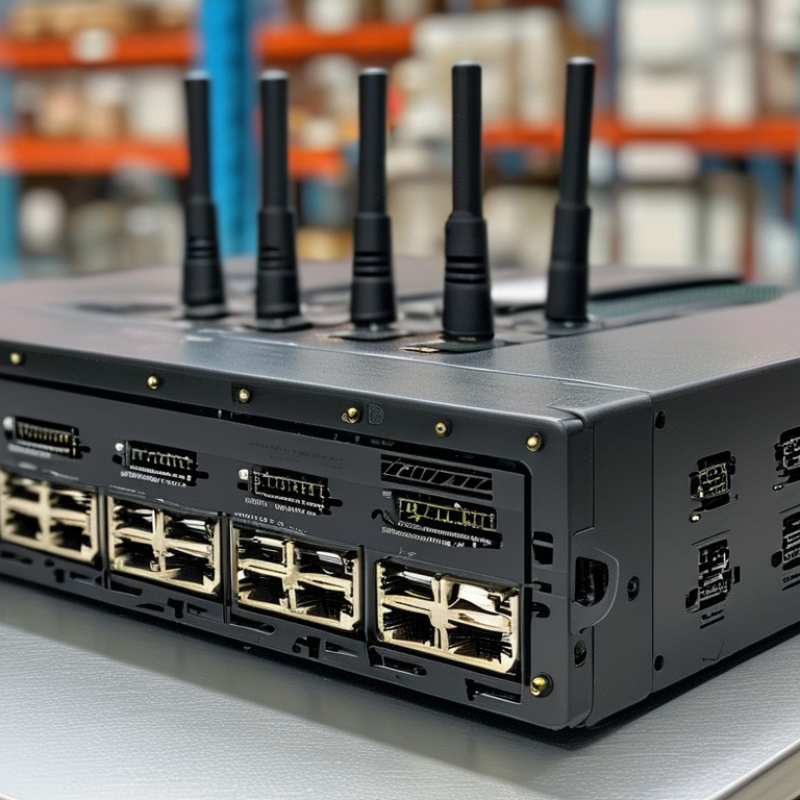
2026 Best SFP Transceiver for Global Buyers to Consider?

2026 Market Trends for SFP Transceivers: A Global Perspective

The SFP transceiver market is evolving rapidly. According to a report by MarketsandMarkets, the global SFP transceiver market is projected to reach $10.82 billion by 2026. This significant growth highlights the increasing need for high-speed data transmission in various sectors. Enterprises are investing in more advanced networking solutions to match increasing data consumption.


A key trend in 2026 is the rising demand for 100G transceivers. With the growth of cloud computing and data centers, these devices will be essential for handling vast data traffic. They enable faster connectivity and improved bandwidth. However, not all organizations are ready for this shift. Many still rely on outdated technology, which may hinder their competitiveness.


Sustainability is also a focus for transceiver manufacturers. The industry is exploring eco-friendly materials and energy-efficient designs. Yet, challenges remain in balancing performance with environmentally friendly practices. Companies must navigate these complexities as they strive for operational excellence.

Adapting to these changes takes time, and not every company will succeed immediately.

Key Specifications and Standards for High-Performance SFP Transceivers

When selecting an SFP transceiver, key specifications help gauge their performance. Data rates can vary widely. For high-performance applications, look for SFPs that support 1 Gbps to 10 Gbps speeds. The standard for Gigabit transceivers is IEEE 802.3, while the more advanced Ethernet standards are often referenced for higher speeds.

Distance capabilities are another crucial specification. Many transceivers handle distances from 100 meters to over 80 kilometers with the right optics. This range offers flexibility for a variety of settings. Compatibility with multiplexer technologies plays a significant role. Transceivers should conform to small form-factor pluggable (SFP) and small form-factor pluggable plus (SFP+) standards.

In a comprehensive market analysis, around 70% of professionals prioritize reliability and interoperability. Consider the thermal performance ratings, which indicate how well a transceiver operates under different thermal environments. Choosing a transceiver that meets industry standards ensures dependable network performance. However, some users may overlook these details, leading to operational inefficiencies and costly downtimes.

2026 Best SFP Transceiver Specifications

Model Data Rate (Gbps) Wavelength (nm) Distance (km) Connector Type Temperature Range (°C)
SFP-1 1.25 850 0.5 LC 0 to 70
SFP-2 10 1310 10 LC -40 to 85
SFP-3 25 1550 40 LC 0 to 70
SFP-4 100 1310 80 LC -40 to 85
SFP-5 40 850 150 MPO 0 to 70

Top Brands and Their SFP Transceiver Offerings: A Comparative Analysis

In today's competitive market, selecting the right SFP transceiver is crucial for network efficiency. Industry reports indicate that the global SFP transceiver market is projected to reach $7 billion by 2026, driven by the increasing demand for high-speed data transmission. Understanding the offerings from top manufacturers provides insight into the various options available.

Brands have distinct characteristics in their SFP transceiver products. For instance, low-power consumption and compact sizes are common features aimed at optimizing space within networking equipment. A comparative analysis reveals that some brands excel in compatibility across different platforms, enhancing user flexibility. However, quality inconsistencies are sometimes observed. Certain transceivers may not always meet promised specifications, leading to potential downtime.

Delving deeper, reports show that single-mode and multi-mode transceivers serve different purposes. Single-mode transceivers deliver higher distances, which is critical for expansive networks, while multi-mode options are more cost-effective for shorter transmissions. Yet, users must reflect on their specific networking requirements. It’s not just about choosing the cheapest or the most popular option; understanding each product’s strengths and weaknesses is important for long-term performance.

Cost-Effectiveness of SFP Transceivers: Pricing Data and Value for Money

When considering SFP transceivers, cost-effectiveness is paramount for global buyers. Industry reports indicate that the average price range for SFP transceivers varies significantly. According to a recent study, basic models are priced around $30 to $50, while advanced options can exceed $150. This pricing variance highlights the need for careful analysis.

Value for money is not just about the initial cost. Buyers must assess performance and reliability. A high-quality transceiver can lower overall operational costs in the long run. For instance, a recent market analysis showed that 70% of long-term users preferred models that offered better durability. Many businesses hesitate to invest more upfront, but they may face higher replacement costs later.

Additionally, not all options deliver the same performance levels. Some cheaper models may result in network latency issues. A reliable transceiver is crucial for maintaining data integrity. Industry experts suggest prioritizing quality over price. Each buyer must balance initial expenses with operational efficiency, which requires thoughtful evaluation.

Emerging Technologies Impacting SFP Transceiver Design and Functionality

The design and functionality of SFP transceivers are evolving rapidly due to emerging technologies. These changes affect everything from data transmission speeds to energy efficiency. Advances in Digital Signal Processing (DSP) are enabling higher bandwidth capabilities. As a result, SFP modules can handle larger data loads with increased reliability.

Moreover, the rise of artificial intelligence (AI) in network management is notable. AI can optimize routing and reduce latency in data centers. This integration enhances the performance of SFP transceivers in core networks. However, it can introduce complexities that need careful consideration. New users might find it challenging to navigate these advanced features.

Additionally, developments in fiber optics technology are reshaping transceiver designs. For example, there are new materials that offer better performance in various environments. However, these innovations often lead to compatibility issues with existing systems. It's important for buyers to stay informed about these trends as they make choices for their infrastructure. Keeping an eye on the performance and adaptability of SFP transceivers can help in making effective decisions for the future.

FAQS

: What is the projected market size for SFP transceivers by 2026?

: The global SFP transceiver market is projected to reach $10.82 billion by 2026.

Why is there increasing demand for 100G transceivers?

The growth of cloud computing and data centers drives demand for faster connectivity and improved bandwidth.

What sustainability efforts are being made in the transceiver industry?

Manufacturers are exploring eco-friendly materials and energy-efficient designs, but challenges remain.

How do single-mode and multi-mode transceivers differ?

Single-mode transceivers deliver higher distances while multi-mode options are more cost-effective for shorter transmissions.

What role does artificial intelligence play in SFP transceiver functionality?

AI optimizes routing and reduces latency in data centers, enhancing transceiver performance but introducing complexity.

What should buyers consider when choosing SFP transceivers?

Buyers should reflect on their specific networking needs and understand each product's strengths and weaknesses.

Are all SFP transceiver brands consistent in quality?

Quality inconsistencies can occur, and some transceivers may not always meet promised specifications.

How do emerging technologies impact SFP transceivers?

New technologies like DSP enhance data transmission speeds, but compatibility issues may arise with existing systems.

What is the effect of outdated technology on organizations?

Relying on outdated technology can hinder competitiveness in a rapidly evolving market.

Why is it important to stay informed about SFP transceiver trends?

Staying updated enables better decisions for future infrastructure and performance needs.

Conclusion

The article "2026 Best SFP Transceiver for Global Buyers to Consider" provides an in-depth analysis of the evolving landscape of SFP transceivers. It explores market trends, emphasizing a global perspective that showcases the increasing demand for high-performance SFP transceivers across various industries. Key specifications and standards are highlighted, reflecting the necessary attributes for optimal functionality in diverse environments.

Additionally, the article conducts a comparative analysis of leading brands and their offerings, helping buyers understand the available options. Cost-effectiveness is also discussed, with insights into pricing data that convey the value for money of SFP transceivers. Lastly, it addresses emerging technologies that are influencing the design and capabilities of these crucial components, ensuring that readers are well-informed about current advancements and future directions in SFP transceiver technology.

Henry

Henry

Henry is a dedicated marketing professional with a profound expertise in the company's offerings. With years of experience in the industry, he possesses an impressive understanding of the market dynamics and consumer behaviors that drive success. Henry is committed to sharing his insights through......