FiberQ
In the realm of high-speed data transfer, the QSFP-DD transceiver plays a pivotal role. This cutting-edge technology has been driving advancements in data centers and telecommunications. According to a report by MarketsandMarkets, the global QSFP-DD market is expected to grow significantly, reaching a value of over $2 billion by 2025, driven by increased demand for high bandwidth.
Dr. Emily Lin, a respected expert in optical communication, once stated, “The evolution of QSFP-DD transceivers represents a critical shift in how data is transmitted.” This highlights the urgency for industries to adopt these components. The QSFP-DD transceiver supports 400G data rates and offers versatility with backward compatibility to existing infrastructure. However, choosing the right transceiver can be challenging due to varying specifications and applications.
While the advantages of QSFP-DD transceivers are clear, there are pitfalls to navigate. For example, not all vendors meet the same quality standards. It is essential for companies to evaluate their options carefully, considering factors such as reliability and performance. As the industry evolves, ongoing reflection on technology selection will be crucial for optimizing data transfer solutions.
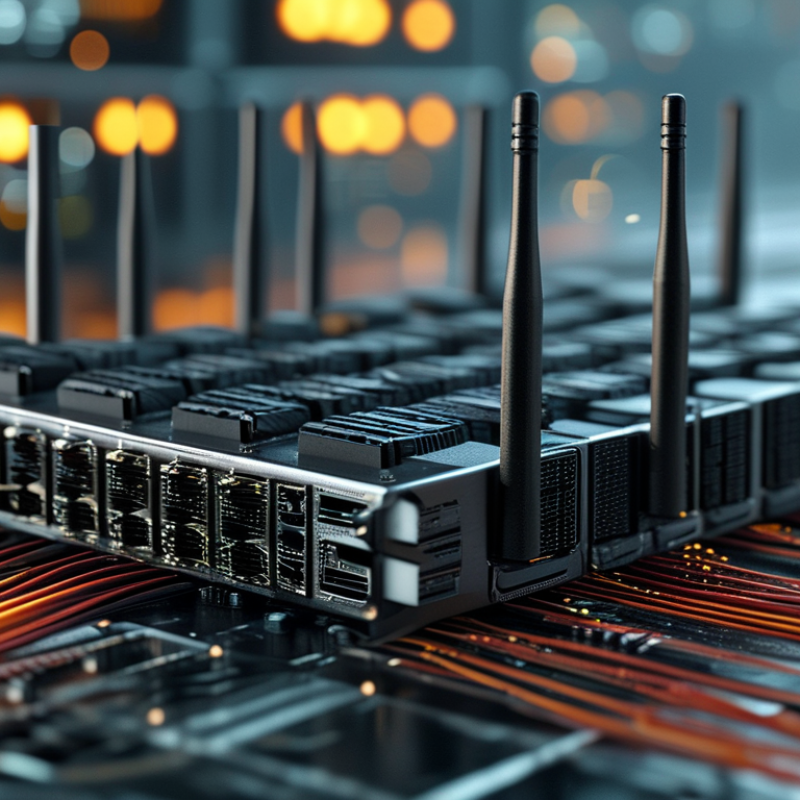
QSFP-DD transceivers are essential for modern high-speed data transfer. They support data rates of up to 400 Gbps, making them vital in data centers and telecommunications. Their design enables increased port density, allowing more connections in a compact space. This capacity is crucial as data demands continue to rise.
The importance of QSFP-DD transceivers extends beyond speed. They ensure low latency and efficient power consumption. This results in reduced operational costs for organizations. However, selecting the right transceiver can be challenging. Factors such as compatibility and environmental conditions must be considered. Not all transceivers are created equal, and missteps can lead to performance issues.
Moreover, the evolving technology landscape poses additional challenges. Continuous advancements require constant updates in hardware and software. Users may find it hard to keep pace with innovations. This reality emphasizes the need for reliable resources and expert guidance. Proper research helps in making informed choices, avoiding costly mistakes.
Selecting the right QSFP-DD transceiver is crucial for optimizing high-speed data transfer. Key specifications play a vital role in this decision-making process. Start with data rates. A QSFP-DD typically supports up to 400 Gbps. However, check compatibility with your existing hardware. Not all devices can handle such speeds, leading to potential inefficiencies.
Consider reach and distance. A QSFP-DD can cover distances from a few meters to several hundred meters, based on the medium used. Fiber optic cables are preferred for long distances, while copper cables are suitable for short-range connections. Also, examine the form factor. QSFP-DD transceivers have unique form factors that may affect installation and cooling.
Another aspect is power consumption. Reports indicate that modern QSFP-DD transceivers aim for lower power usage. However, the exact consumption can vary widely. Understanding thermal design basics is essential for maintaining optimal system performance. For instance, exceeding the thermal threshold can lead to failures or reduced longevity of components. Overall, careful consideration of these specifications ensures reliable and high-performance data networks.
When it comes to high-speed data transfer, QSFP-DD transceivers play a crucial role. They serve well in data centers and telecommunications, supporting rates up to 400 Gbps. This capability is essential for meeting the increasing demand for bandwidth. With a variety of specifications, users must carefully choose models that align with their specific requirements.
Top brands often offer a range of QSFP-DD models. Each boasts unique features suitable for different applications. For instance, some transceivers excel in short-reach connections, while others are designed for longer distances. Knowing the distinctions is vital. This understanding helps avoid potential bottlenecks or insufficient performance in critical systems.
Not all transceivers are created equal. Some might offer impressive specifications but could lack reliability in real-world scenarios. Users must look beyond just numbers. Peer reviews and expert recommendations are invaluable. They shed light on performance issues that might not surface in standard specifications.
When evaluating QSFP-DD transceivers for high-speed data transfer, specific performance metrics are crucial. Key factors include data rate, power consumption, latency, and compatibility with existing networks. A high data rate ensures faster transmission. However, some transceivers may consume more power, impacting overall efficiency. It's essential to strike a balance between speed and energy consumption.
Additionally, latency can vary significantly. Lower latency enhances performance, particularly in applications requiring real-time processing. While many options boast impressive specs, it's important to assess how they perform in real-world scenarios. Sometimes, high-performance transceivers can yield disappointing results under specific conditions.
**Tips:** Always check the compatibility of transceivers with your current networking hardware. Benchmarking in a controlled environment can help reveal potential issues. Do not overlook customer reviews; they provide insights into reliability and user experience. Consistently monitor updates in the market, as technology evolves rapidly, and what’s cutting-edge today may fall behind tomorrow.
The QSFP-DD technology is rapidly evolving. It plays a critical role in high-speed data transfer solutions. Data centers are facing increasing demands for bandwidth and speed. Research shows that global data traffic is projected to grow by 24% annually. This growth propels the need for advanced transceiver solutions.
Future trends indicate greater adoption of QSFP-DD modules. This is due to their support for higher data rates, up to 400 Gbps. Emerging networking standards will push the boundaries of what transceivers can handle. As we examine these shifts, questions arise. Will existing infrastructure support these advancements? Will networking hardware keep pace?
Tip: Regularly assess your data center needs. Ensure that infrastructure meets evolving bandwidth demands. Upgrading components can prevent future bottlenecks. Keeping an eye on new technologies can improve performance.
Enhanced optical technologies are on the horizon. Coherent optics may replace traditional solutions. This could lead to improved efficiency in power consumption. Yet, some challenges remain. Not all facilities can easily adapt to new technologies. Understanding the complexities involved is essential.
Tip: Stay informed about technological developments. Invest in training for your team to manage new systems. Being proactive can save time and costs down the line.
This chart illustrates the data transfer rates (in Gbps) of various QSFP-DD transceivers available in the market. The increasing demand for high-speed data solutions drives innovation in QSFP-DD technology.
: QSFP-DD transceivers enable high-speed data transfer, supporting rates up to 400 Gbps.
They allow increased port density and accommodate rising data demands efficiently.
Compatibility, environmental conditions, and performance metrics should all be evaluated carefully.
Lower latency enhances performance, especially for applications needing real-time processing.
Always check compatibility specifications and perform controlled benchmark tests.
Technology evolves rapidly; staying informed helps avoid costly mistakes and ensures optimal performance.
Greater adoption of QSFP-DD modules and advancements in coherent optics are expected.
Regular assessments and infrastructure upgrades can help meet evolving data needs.
High specs don't always guarantee real-world effectiveness under specific conditions.
Reviews provide insights into reliability and real user experiences, guiding informed choices.
QSFP-DD transceivers have become essential components in the world of high-speed data transfer, offering significant advantages in bandwidth and performance for modern data centers. They enable increased data rates and support high-density connections, making them crucial for meeting the growing demands of data traffic. When selecting QSFP-DD transceivers, it is important to consider key specifications such as data rate, power consumption, and compatibility with existing network infrastructure.
The landscape of QSFP-DD transceivers is evolving rapidly, with top brands continuously innovating their offerings to enhance performance metrics such as latency, reach, and reliability. As technology advances, trends indicate that QSFP-DD transceivers will further adapt to support emerging data transfer solutions, making them a focal point in network design and implementation for both current and future data communication needs.
