FiberQ FiberQ

Top 10 Benefits of 400G Optical Transceivers for Buyers

Time:2026-08-18 Author:Oliver
0%

In recent years, the demand for high-speed data transmission has surged. The advancement of 400G optical transceivers plays a pivotal role in meeting this need. According to a report by MarketsandMarkets, the global optical transceiver market is projected to reach $6.5 billion by 2025. This growth signifies the increasing reliance on 400G capabilities among enterprises and service providers.

400G optical transceivers provide significant advantages, including enhanced bandwidth and reduced latency. They support the rising data consumption trends driven by cloud computing and the Internet of Things (IoT). However, businesses must critically assess their specific needs and the implementation costs versus the benefits. For instance, while initial investments may seem steep, a well-planned transition to 400G can yield substantial long-term savings.

Despite these advantages, a nuanced reflection is essential. Some organizations may not yet require 400G speeds, leading to potential overinvestment. Understanding network demands is crucial. The proper deployment of 400G optical transceivers requires industry expertise and careful planning to fully realize their benefits. As the market evolves, buyers must stay informed and make decisions that align with their operational goals.
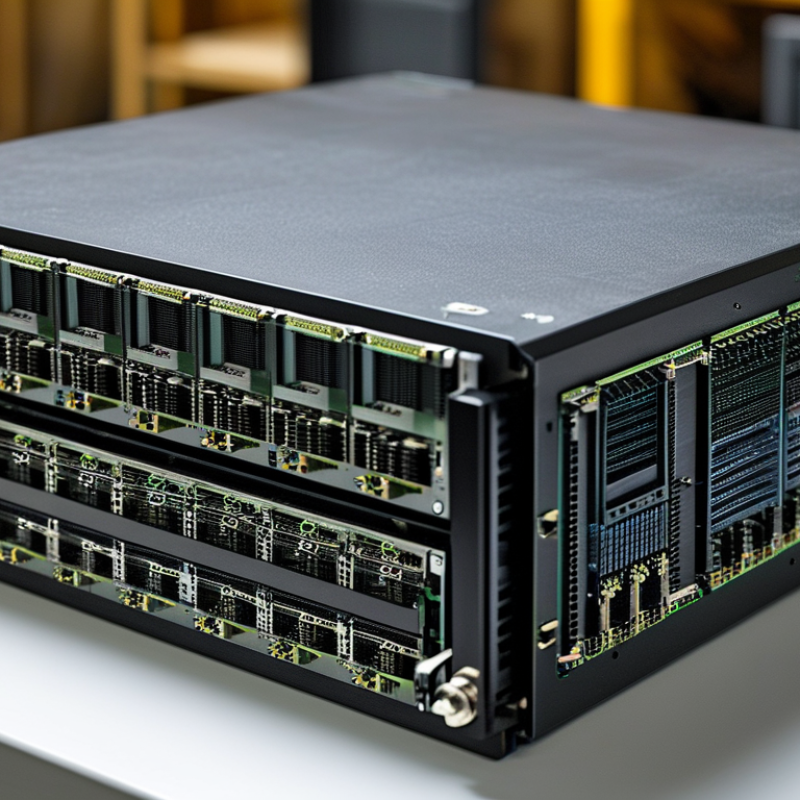
Top 10 Benefits of 400G Optical Transceivers for Buyers

Benefits of Increased Bandwidth and Faster Speeds with 400G Optical Transceivers

The rise of 400G optical transceivers has dramatically transformed network capabilities. Increased bandwidth enables data centers to handle vast amounts of traffic. According to a recent report by the Optical Internetworking Forum, the global demand for bandwidth is projected to grow by 25% annually. This growth puts pressure on existing infrastructures. A 400G transceiver can efficiently support high-speed applications, reducing congestion.

Speed plays a crucial role in modern networking. With 400G transceivers, users can achieve data rates four times faster than 100G solutions. Such speeds are essential for services like cloud computing and video streaming, which have surged in popularity. However, it is important to recognize that deploying 400G technology requires significant investment and infrastructure upgrades. Many organizations struggle with these transitions.

Latency is another factor. 400G optical transceivers significantly reduce latency, leading to faster data transfer. Studies show that higher bandwidths can lower delays by 30%. Yet, not all companies can readily adapt to these advances. They often reconsider their strategies and explore incremental upgrades rather than a complete overhaul. Balancing immediate needs with long-term planning poses a challenge for many buyers in the market.

Cost Efficiency: Reduced Operational Expenses for Large-Scale Data Transfers

400G optical transceivers present a transformative solution for managing large-scale data transfers. These advanced systems significantly reduce operational expenses. According to a report from the International Data Corporation (IDC), companies can save up to 30% on bandwidth costs using 400G technology. This efficiency stems from the ability to transmit larger data volumes over existing infrastructure, minimizing the need for extensive hardware upgrades.

Lowering operational expenses isn't just about direct cost reductions. 400G transceivers also enhance energy efficiency. The Global Energy and Data Center Report shows that companies can achieve energy savings of up to 40% when switching to 400G from 100G. These savings contribute to a more sustainable data center operation, which increasingly appeals to environmentally-conscious businesses.

However, the transition is not without challenges. Integrating 400G transceivers requires careful planning and investment. Organizations may face initial costs that can be daunting. Yet, the long-term gains in operational efficiency often outweigh these short-term obstacles. As companies adapt, real-world insights reveal mixed results during the switch, suggesting that a tailored approach is essential.

Top 10 Benefits of 400G Optical Transceivers for Buyers - Cost Efficiency: Reduced Operational Expenses for Large-Scale Data Transfers

Benefit Description Impact on Operational Costs
High Bandwidth Supports large data transfers at higher speeds. Reduces time required for data transfer, lowering related costs.
Energy Efficiency Uses less power compared to previous generations. Decreases power bills and operational expenses.
Space Optimization Compact design requires less physical space. Reducing the need for larger facilities.
Scalability Easily scalable to accommodate business growth. Minimizes future investment costs.
Enhanced Reliability Lower failure rates than previous optical transceivers. Reduces maintenance and replacement costs.
Future-proof Technology Designed to meet future bandwidth needs. Lowers the risk of obsolescence.
Reduced Latency Faster data transmission speeds. Improves efficiency in data center operations.
Lower Total Cost of Ownership Longer lifespan and improved performance. Maximizes value over time.
Simplified Network Architecture Fewer components reduce complexity. Lowers installation and operational costs.
Interoperability Compatible with various network devices. Decreases costs associated with switching equipment.

Enhanced Network Efficiency: Optimizing Data Center Space Utilization

In the race for enhanced network efficiency, 400G optical transceivers are becoming crucial. They help optimize data center space utilization by delivering high-speed capabilities without requiring extensive physical infrastructure. According to recent industry reports, 400G systems can offer over four times the bandwidth of 100G systems while consuming less power. This is critical as data centers face increasing demands on their resources.

A well-designed 400G architecture can reduce rack space and simplify cabling requirements. This results in lower operational costs and more efficient cooling solutions. By leveraging these transceivers, organizations can maximize their available space and handle more data traffic seamlessly. For example, multiple studies have shown that data centers can potentially reduce their physical footprints by up to 30% with the implementation of advanced optical technology.

Despite these advantages, transitioning to 400G isn’t without challenges. Many organizations may encounter a skills gap within their workforce or face compatibility issues with existing infrastructure. Thorough planning and assessment are necessary to ensure a smooth adoption process. Implementing 400G transceivers is not an overnight solution but a step toward future-proofing network capabilities. The journey requires strategic thinking and ongoing evaluation of performance metrics.

Future-Proofing Networks: Supporting Emerging Technologies and IoT Growth

The demand for higher bandwidth is ever-growing, with emerging technologies and IoT driving this trend. 400G optical transceivers are essential in future-proofing networks. They enable rapid data transmission, crucial for handling massive data generated by smart devices.

As the Internet of Things expands, networks must adapt. This means upgrading to solutions that can manage increasing device connections and data flow. 400G transceivers provide the necessary support for innovations like AI, 5G, and advanced cloud computing. They offer scalability for businesses looking to grow and adapt.

Tip: Assess current network needs thoroughly. Identify potential bottlenecks that could hinder future growth.

Investing in 400G tech showcases a commitment to staying ahead. However, decision-makers should evaluate compatibility with existing systems. Transceivers must integrate seamlessly, ensuring a smooth transition. This leap is vital but may reveal areas needing improvement in infrastructure.

Tip: Consider pilot testing before a full rollout. This approach helps in identifying potential issues early on.

Building a resilient network isn't just about speed. It's about reliability and flexibility. Recognizing these factors ensures that organizations are not only ready for today’s demands but also equipped for tomorrow's challenges.

Improved Reliability and Performance Metrics in High-Demand Environments

In today's high-demand environments, the reliability and performance metrics of optical transceivers are paramount. The introduction of 400G optical transceivers has revolutionized data transmission. These devices deliver higher data rates and improved efficiency, making them suitable for data centers and large enterprises. They provide low latency, essential for applications requiring real-time processing.

However, the transition to 400G technology is not always seamless. Some users experience challenges during integration. Transitioning existing systems to accommodate 400G can lead to compatibility issues. Companies must assess their infrastructure carefully. Despite this, the benefits often outweigh initial hurdles. Improved signal integrity and greater distances are significant advantages.

Moreover, operational reliability is enhanced with advanced features. These transceivers reduce the risk of downtime. Companies relying on uninterrupted service see a noticeable difference. Yet, ongoing maintenance and updates are necessary for optimal performance. Organizations must remain proactive to sustain efficiency over time.

FAQS

: What are 400G optical transceivers?

: They are advanced devices that enhance data transmission speeds and increase network bandwidth.

How much faster are 400G transceivers compared to 100G?

They provide data rates four times faster, significantly benefiting applications like cloud computing.

Do 400G transceivers help reduce latency?

Yes, they can lower delays by up to 30%, improving data transfer speeds.

What is the cost benefit of using 400G technology?

Companies can save up to 30% on bandwidth costs, improving operational efficiency.

Are there energy savings associated with 400G transceivers?

Yes, firms can achieve energy savings of up to 40% when switching from 100G.

Is the transition to 400G technology difficult?

Yes, many companies face integration challenges, requiring planning and investment.

How do 400G transceivers improve reliability?

They enhance signal integrity and reduce downtime, essential for uninterrupted services.

What should organizations consider before switching to 400G?

Companies need to evaluate their existing infrastructure and potential compatibility issues.

Are there long-term benefits to adopting 400G transceivers?

Yes, the overall operational gains often outweigh initial transition challenges.

Do all companies adapt to 400G technology easily?

No, many reconsider strategies and opt for gradual upgrades instead of a complete overhaul.

Conclusion

The article "Top 10 Benefits of 400G Optical Transceivers for Buyers" highlights the numerous advantages of adopting 400G optical transceivers in modern networking infrastructures. One of the key benefits is the significant increase in bandwidth and speed, which enables faster data transfers and enhances overall network performance. Additionally, these transceivers offer cost efficiency, helping organizations reduce operational expenses, especially during large-scale data transfers.

Moreover, 400G optical transceivers optimize data center space utilization, allowing for enhanced network efficiency. They also future-proof networks by supporting emerging technologies and the increasing growth of the Internet of Things (IoT). Lastly, these transceivers improve reliability and performance metrics, making them ideal for high-demand environments. Overall, the adoption of 400G optical transceivers represents a strategic investment for organizations looking to modernize their networking solutions.

Oliver

Oliver

Oliver is a seasoned marketing professional with a wealth of expertise in driving brand awareness and engagement. With a deep understanding of our company's product offerings, he consistently delivers high-quality content that enriches our professional blog. His insights not only shed light on......