FiberQ
In the fast-evolving world of data communication, the QSFP28 transceiver plays a pivotal role. As networks become denser, the demand for high-speed data transfer continues to rise. Reports indicate that the global market for optical transceivers is projected to grow at a CAGR of over 10% from 2023 to 2030. This growth highlights the increasing reliance on advanced technology for efficient data transmission.
The QSFP28 transceiver is designed for high-speed applications, supporting 100G data rates. By leveraging smaller form factors, it allows for improved packing density and energy efficiency. Its adaptability to various networks makes it a preferred choice among data centers and telecom providers. However, selecting the right transceiver can be daunting, given the myriad of options available. Quality and compatibility must be carefully assessed to avoid costly errors.
As opportunities arise, so do challenges. Buyers must navigate complex specifications and varying performance standards. Industry leaders emphasize the importance of understanding these nuances to make informed decisions. Investing in reliable QSFP28 transceivers is crucial for future-proofing network capabilities and ensuring seamless communication.
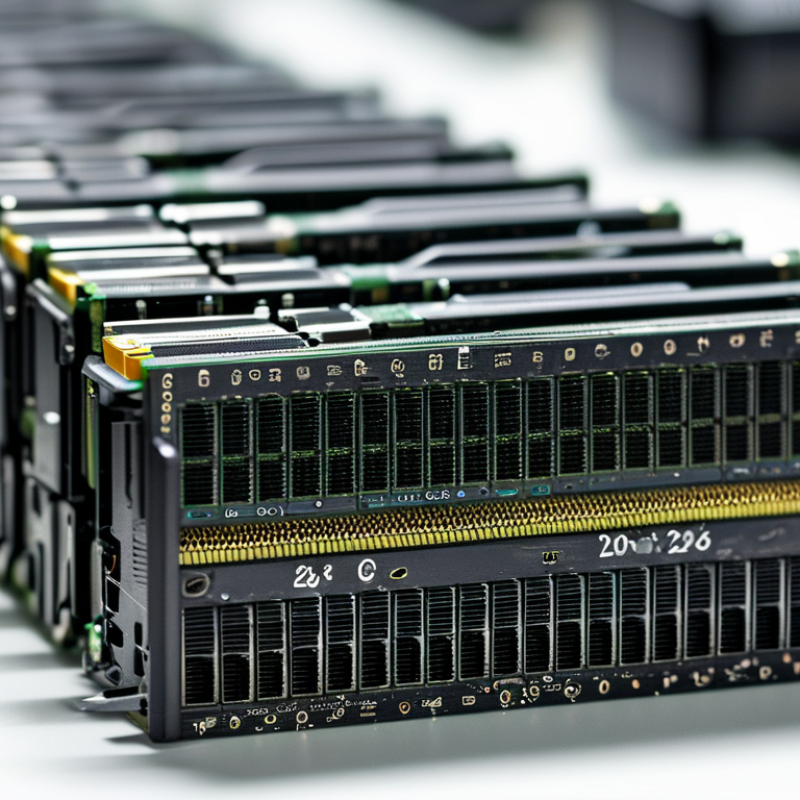
QSFP28 transceivers are essential for high-speed data centers. They offer 100G Ethernet connectivity. According to the market research firm, MarketsandMarkets, the demand for QSFP28 devices is expected to grow by 20.6% from 2022 to 2027. This growth is driven by the increasing need for higher bandwidth in cloud computing and data center operations.
Key features include low power consumption, high density, and support for various protocols. QSFP28 transceivers typically provide a range of optical modules, such as 4x25G and 100G PSM4. Their compact design allows for efficient cooling, crucial in high-density environments. However, selecting the right module can be complex, considering compatibility and network requirements.
Though these transceivers perform well, issues can arise. Reliability can vary significantly across different manufacturers. Users may encounter challenges with interoperability among various equipment brands. Knowing the specifications, like maximum reach and connector types, helps ensure a seamless integration process. Understanding these details is vital for making informed purchasing decisions.
When considering QSFP28 transceivers, compatibility is key. These devices offer various types for different applications. Common types include SR, LR, and ER modules. Each type serves a unique purpose based on distance and bandwidth. For instance, SR modules are designed for short-range data centers, while LR modules are used for longer distances, up to 10 kilometers.
Choosing the right QSFP28 transceiver depends on your network requirements. Analyze your setup before purchasing. Look at the distance between devices and the required data rate. It's essential to have compatible equipment for seamless integration. Mismatched devices can lead to signal issues, causing delays and data loss.
Use cases vary widely across industries. In high-frequency trading, speed is critical. Here, SR transceivers might be the best fit. Meanwhile, universities might use LR transceivers for inter-campus connections. Understanding the specific needs of your environment is crucial for optimal performance. Over time, as technology advances, requirements may change. Regularly reviewing your choices ensures your network remains efficient.
This chart illustrates the popularity of various types of QSFP28 transceivers based on units sold. Active Optical Cables and Short-Range transceivers show the highest demand, while Extended Range options are less common.
When evaluating QSFP28 transceivers, performance metrics like data rates and distances are crucial. These transceivers support data rates up to 100 Gbps. They are pivotal for high-speed networking. Distances vary based on the cable type used. For example, single-mode fiber optics can transmit up to 10 kilometers, while multimode fiber typically covers shorter distances, around 300 meters. Understanding these specifications helps in selecting the right transceiver.
Many industry reports indicate that distance and data rate influence network efficiency significantly. A report from the Optical Networking Forum highlights that using higher-quality cabling can improve performance by up to 25%. Buyers should consider environmental factors that may impact transmission quality. For instance, excessive bending of cables can lead to signal loss.
Tips: Always check for compatibility with existing systems. Testing transceivers before deployment is beneficial. Look for installation guidelines to ensure optimal performance. Balancing quality and price is often challenging but vital. Engaging experts can reduce potential mistakes in purchases.
| Model | Data Rate (Gbps) | Distance (m) | Wavelength (nm) | Power Consumption (W) |
|---|---|---|---|---|
| 37D1 | 100 | 70 | 850 | 3.5 |
| 45C3 | 100 | 100 | 1310 | 4.0 |
| 50A7 | 200 | 150 | 1550 | 5.0 |
| 62E4 | 400 | 500 | 850 | 6.0 |
When choosing a vendor for QSFP28 transceivers, global buyers must consider several factors.
Quality should be a top priority. Buyers need products that meet industry standards. Look for vendors with solid certifications and a track record of reliability. This ensures that the transceivers will perform optimally in various environments.
Communication is equally important. A responsive vendor helps address issues quickly. It’s crucial to have a partner who understands your needs. This relationship can influence the success of your project. Additionally, check the vendor's support services. Support can make a difference during installation and integration phases.
Don't overlook pricing. While it's tempting to choose the cheapest option, quality and performance matter more. Sometimes, a lower price means compromised quality. Buyers must balance cost and value. Reflecting on these factors can lead to better purchasing decisions. Take time to compare options and gather feedback from other users.
When budgeting for QSFP28 transceiver purchases, several factors come into play. Understanding the market price range is essential. Prices can vary significantly based on specifications and capabilities. Setting a clear budget is crucial. It helps narrow down options and prevents overspending.
Consider overall costs, including installation and maintenance. These additional expenses can add up quickly. A lower upfront cost might not reflect the total investment you’ll make over time. It's wise to assess the long-term value of different transceivers. Cheaper models may lack important features, leading to potential future upgrades.
Lastly, companies often overlook the importance of compatibility. Ensure chosen transceivers work well with existing infrastructure. An incompatible model can lead to extra costs and delays. Reflect on past purchases to identify any patterns that may help inform future decisions. Budgeting is not just about numbers; it's about making informed choices that align with your needs.
: Common types include SR, LR, and ER modules. Each serves specific distance and bandwidth purposes.
Analyze your network setup, focusing on distance and required data rates before making a purchase.
Mismatched devices can lead to signal issues, causing delays and potential data loss.
High-frequency trading often needs SR transceivers, while universities may prefer LR transceivers for long connections.
Prioritize quality, communication, and support services from vendors to ensure reliable performance.
While cheaper options are tempting, they may compromise on quality and performance. Balance cost with value.
Installation and maintenance costs can add up. A low upfront cost might misrepresent the total expense.
Evaluating past purchases can reveal patterns that guide future decisions and improve budget planning.
Assess the features and compatibility of transceivers to avoid costly upgrades later.
It can lead to unexpected costs and delays, impacting overall network performance.
The "2026 Top QSFP28 Transceiver Buying Guide for Global Buyers" provides a comprehensive overview of QSFP28 transceivers, focusing on their key features and specifications essential for modern networking solutions. It explores the various types of QSFP28 transceivers available, discussing their compatibility and specific use cases across different applications. Performance metrics are emphasized, guiding buyers on how to evaluate data rates and transmission distances to ensure optimal network performance.
Additionally, the guide assists global buyers in navigating the selection of the right vendor, highlighting essential factors to consider, such as reliability and support. Cost considerations are also discussed, offering insights on budgeting for QSFP28 transceiver purchases to maximize investment while meeting networking needs effectively. Overall, this guide serves as a valuable resource for informed decision-making in the QSFP28 transceiver market.
